

Contents
The Rise of Microcars: Redefining Urban Mobility
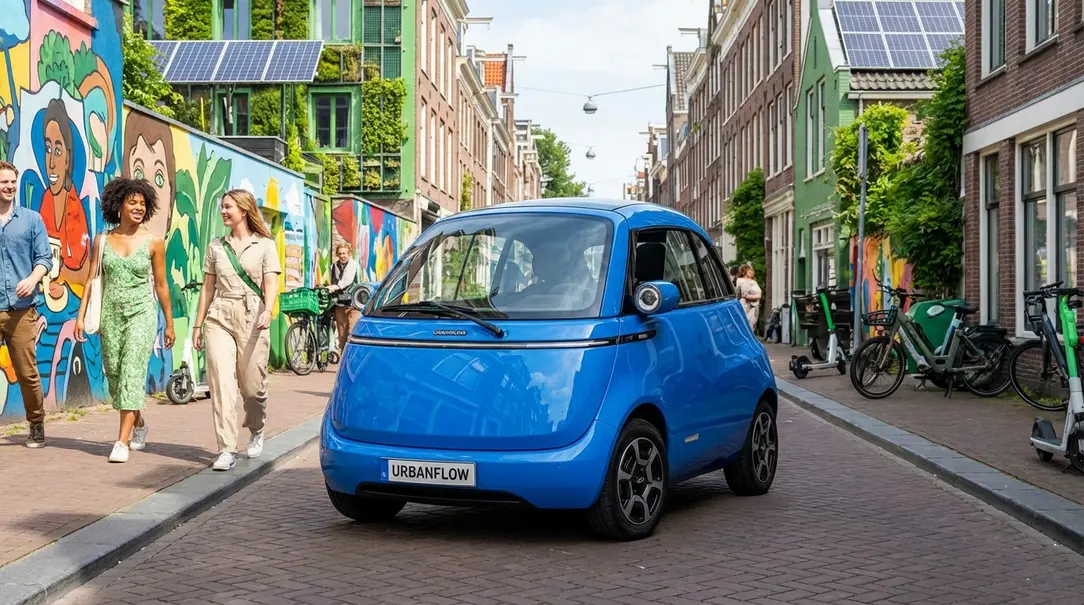
Microcars are rapidly gaining traction, particularly across Europe, presenting a compelling solution for urban transportation challenges. This growing segment has also attracted significant interest from Chinese manufacturers, eager to establish their presence in a market poised for expansion. But who exactly are these compact vehicles for, and how is this market expected to evolve?
What Exactly Are Microcars?
Microcars, often classified as light quadricycles (L6e) or heavy quadricycles (L7e) in Europe, are diminutive vehicles designed primarily for urban environments. They typically feature:
- Low Weight: A curb weight often around 350 kg (approximately 770 lbs).
- Limited Engine Capacity: An internal combustion engine with a displacement of around 50 cm³, or an electric motor with a power output of up to 4 kW.
- Restricted Speed: A maximum speed capped at 45 km/h (approximately 28 mph).
These specifications position microcars as an accessible and often more affordable alternative to traditional cars, bridging the gap between scooters and full-sized automobiles.
Driving Requirements: Who Can Get Behind the Wheel?
The accessibility of microcars is a significant part of their appeal, especially for younger drivers. In many European countries, individuals as young as 14 can obtain an AM category driving license, which permits them to operate microcars on public roads. This makes them an attractive option for teenagers seeking independence for school commutes and other activities.
Interestingly, some historical exceptions exist. For instance, in Poland, individuals who turned 18 before January 19, 2013 (the date new licensing laws came into effect), specifically those born before January 19, 1995, are permitted to drive microcars with only an identity card, without needing a formal driving license. While this specific rule is region-specific, it highlights how microcars have sometimes been regulated differently from standard vehicles.
The Microcar Phenomenon in Europe
While the widespread adoption of microcars might seem a distant prospect in some regions, they are already immensely popular in others. Germany, for example, has embraced these small vehicles, particularly among teenagers. This allows them to commute to school, eases the burden on parents for transportation, and offers a degree of independence from public transport schedules.
The European market offers various models, including well-known examples like the Citroën Ami, Opel Rocks-e, and Renault Twizy, which exemplify the diverse designs and features available. Prices for new microcars in Europe typically range from approximately $9,700 to $21,600, making them a relatively cost-effective personal mobility solution.
Safety Concerns and Considerations
Despite their convenience, it’s crucial to acknowledge the safety limitations of microcars. Organizations like the German automobile club ADAC have raised concerns regarding their safety standards. Key issues include:
- Lack of Airbags and ABS: Many microcars lack fundamental safety features such as airbags and Anti-lock Braking Systems (ABS), which are standard in most modern cars. This is often due to regulatory loopholes that classify them differently.
- Limited Crumple Zones: Their small size inherently means less robust crumple zones compared to larger vehicles, offering reduced protection in the event of a collision.
While microcars offer excellent urban maneuverability, drivers and passengers should be aware of these limitations and operate them with increased caution, especially when sharing roads with larger vehicles.

The Future of Microcars: Electric and Global
The global microcar market is on an upward trajectory, with significant growth projected in the coming years. According to data from the Indian research institution MarketsandMarkets, the market value is expected to rise from $36.75 billion in 2025 to an impressive $49 billion by 2032.
This expansion is inextricably linked to the broader electrification of the automotive market. Chinese manufacturers are particularly keen to lead this segment, with industry giants like BYD (currently the world’s most popular electric vehicle producer) actively making inroads. The increasing availability of electric microcars with ranges approaching 200 km (approximately 124 miles) is a testament to this shift. While most current models offer an urban range of 60 to 180 km (about 37 to 112 miles), technological advancements promise greater utility and wider appeal.
As cities become more congested and environmental concerns grow, microcars, especially their electric variants, are positioned to play a vital role in sustainable urban mobility, offering a compact, efficient, and environmentally friendlier way to navigate city streets.
Frequently Asked Questions (FAQ)
Here are some common questions about microcars:
What is a microcar?
A microcar is a small, lightweight vehicle (often around 350 kg) with a limited engine capacity (e.g., 50 cm³ or 4 kW electric) and a top speed typically capped at 45 km/h. They are usually classified as light or heavy quadricycles in Europe.
Who can drive a microcar?
In many European countries, individuals as young as 14 can drive microcars with an AM category driving license. Specific historical exceptions might allow older individuals to drive with just an ID card in some regions.
Are microcars safe?
Microcars generally offer less protection than standard cars due to their small size, lack of airbags, ABS, and limited crumple zones. Drivers should be aware of these safety limitations and exercise caution.
What are the benefits of owning a microcar?
Benefits include lower operating costs, ease of parking in urban areas, accessibility for younger drivers, reduced environmental impact (especially electric models), and independence from public transport.
About Post Author
