

Contents
Urgent Police Warning: New SMS Scam Impersonates Authorities for Financial Fraud
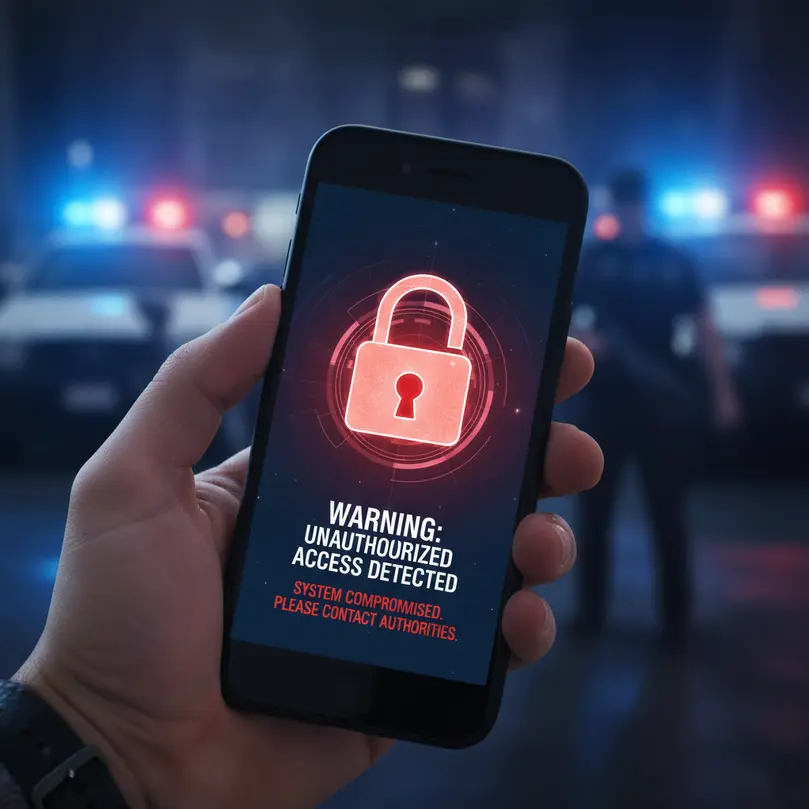
The Central Bureau of Investigation Police (CBŚP) is issuing a critical alert regarding a sophisticated new SMS scam. Criminals are impersonating law enforcement officers, specifically from the CBŚP, to threaten individuals with legal consequences and attempt to extort personal data or money. This widespread fraud involves mass distribution of fake text messages that mimic official notifications about “monitoring” and claims of accepting “marked cash.” Police strongly advise the public to immediately ignore such SMS messages and refrain from any contact with their senders.
The Deceptive Message: Spotting the ‘Inspector Kowalczewski’ Scam
Scammers are sending text messages designed to instill fear and urgency. The messages typically contain fabricated details to appear legitimate, often including:
- False Monitoring Claims: Assertions like, “You are being monitored by our station.”
- Fictitious Officers: Naming a fake Deputy Commander, such as “Insp. Artur Kowalczewski,” claiming they have received an “application for review” with a specific, fake application number (e.g., AB-IP.185.6.2026).
- Bogus Cash Acceptance: Statements like, “On your behalf, marked cash was accepted on: 13.02.2026. Amount: $97,826.00 USD. A return decision will be forwarded to the operating provider. Advisor: Daniel Pomorski.”
The sole purpose of this alarming content is to provoke a fearful and urgent response, prompting recipients to initiate contact via phone calls or messaging applications. Law enforcement unequivocally stresses that these communications are entirely fictitious. Authentic police officers will never contact individuals in this manner, particularly concerning “monitoring” or the acceptance of “marked cash.”
How Scammers Operate: Understanding Their Tactics
These criminals prey on the fear and confusion of their targets. They anticipate that a recipient, alarmed by the SMS, will either call a provided fake number or click on a malicious link embedded within the message. The ultimate goal is to:
- Steal Personal Data: Including names, addresses, and other identifying information.
- Obtain Financial Information: Such as bank account details, BLIK codes (a mobile payment system), or access to online banking portals.
- Demand Direct Payments: Tricking victims into transferring cash, often disguised as fines or fees, or even cryptocurrency.
Scammers frequently adapt their methods, shifting from email-based phishing to SMS messages to leverage the perceived immediacy and credibility of text communication. A significant surge in these attacks was observed in February 2026. This is an evolution of earlier police impersonation scams, now incorporating new deceptive elements like the fabricated application numbers to appear more convincing.
Protect Yourself: Essential Advice from Law Enforcement
The CBŚP urges heightened vigilance as scam tactics continuously evolve. To safeguard yourself and your finances, follow these critical guidelines:
- Ignore Immediately: Do not respond to suspicious SMS messages. Never click on any links, open attachments, or scan QR codes from unknown or unverified sources.
- Never Share Sensitive Data: Refrain from disclosing personal, banking, or financial information to unfamiliar individuals or entities, especially if requested via an unsolicited message or call.
- Verify All Communications: If you receive a message purporting to be from law enforcement or your bank, always verify its authenticity directly. Contact the institution using official phone numbers found on their legitimate websites or official documents, *not* any contact information provided in the suspicious message.
- Report Suspicious Activity: If you receive such a scam message, report it to your local police authorities through official channels. This helps law enforcement track and combat these criminal activities.
- Stay Informed: Educate yourself and your family about common scam tactics. Awareness is your strongest defense against sophisticated fraud attempts.
Frequently Asked Questions (FAQ)
What is the “Inspector Kowalczewski” SMS scam?
It’s a new type of financial fraud where criminals send fake SMS messages impersonating officers from the Central Bureau of Investigation Police (CBŚP). These messages threaten legal action, claim “monitoring,” or mention “marked cash” to trick victims into revealing personal data or transferring money.

How can I identify a fake police SMS message?
Look for unsolicited messages containing threats, urgent demands for contact, claims of monitoring or accepted cash, and requests for personal or financial information. Real police officers do not contact citizens this way. Fake messages often contain grammatical errors or unusual phrasing.
What should I do if I receive a suspicious SMS from someone claiming to be law enforcement?
Immediately ignore the message. Do not reply, click any links, or call any numbers provided in the text. Delete the message and, if you are concerned, contact your local police department directly using their official, publicly listed phone number to verify any claims.
What information do these scammers typically try to steal?
Scammers aim to steal personal identifying information, banking details (such as account numbers or BLIK codes), access credentials to online financial accounts, and directly solicit transfers of money or cryptocurrency.
About Post Author
