

Contents
Google Maps Restricts Features for Unlogged Users: A Growing Concern
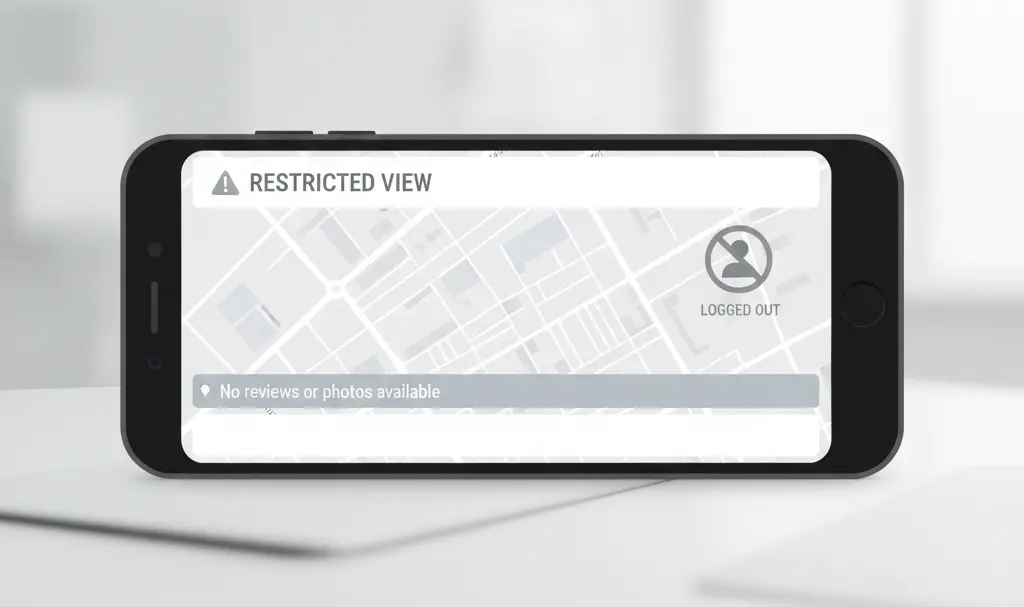
Recent changes within Google Maps are causing a stir among users. An increasing number of individuals have noticed that when accessing the service without logging into a Google account, a “limited view” is activated. This restricted mode removes several functionalities typically available in the full version of the platform, significantly altering the user experience.
Understanding the “Limited View” in Google Maps
The “limited view” in Google Maps effectively strips away much of the rich, community-contributed content that has made the service so valuable. Users who are not logged in are now finding key information missing from the map interface. This includes:
- User reviews and ratings for businesses and locations.
- Photos and videos contributed by the community.
- Information regarding popular times for establishments.
- Restaurant menus and details about related places.
In some cases, users may encounter a message informing them that the application is operating in this restricted mode, explaining the absence of these features.
Users Report Frustration: “Maps Have Become Useless”
The changes were first brought to light by users on Reddit, who observed that Google Maps behaved differently when they were logged out. The discussion quickly spread across various online forums, with many expressing significant dissatisfaction.
Users report often seeing only a single photo for a given location or being completely unable to access the review sections. The sentiment is widespread, with many claiming that Google Maps has become “useless” for practical navigation and discovery without the wealth of detailed information previously available to everyone. There is speculation that these changes might be a test phase or a gradual rollout of a new policy.
Why the Change? Speculation on Google’s Motives
Several potential reasons could be behind these controversial modifications. It’s plausible that Google aims to:
- Increase the number of active Google accounts.
- Facilitate content personalization for logged-in users.
- Reduce potential abuse or misuse of the platform’s features.
However, this represents a notable departure from Google’s long-standing philosophy. For many years, Google Maps stood out as one of the few major platforms that allowed users to freely browse an extensive database of reviews and photos without the need for an account or login.
Google Remains Silent on the “Limited View”
As of now, Google has not issued any official comment or information regarding whether this “limited view” is an error, a temporary test, or a new, permanent standard for the service. The lack of clarity leaves many users uncertain about the future accessibility of Google Maps’ comprehensive features.
Frequently Asked Questions (FAQ)
What is the “limited view” in Google Maps?

The “limited view” is a restricted mode in Google Maps that activates when a user accesses the service without being logged into a Google account. It removes many features, including user reviews, community photos, popular times, and detailed business information.
What features are missing in the limited view?
In the limited view, you may lose access to user reviews and ratings, photos and videos added by the community, information about popular hours for places, and details like restaurant menus or related locations.
Why is Google implementing these changes?
While Google has not officially commented, users speculate that the changes could be aimed at increasing active Google account registrations, enhancing content personalization for logged-in users, or preventing platform abuse.
Is this a permanent change or a test?
Google has not confirmed if the “limited view” is a permanent new standard, a temporary test, or an unintended error. The situation remains unclear without official communication from the company.
How can I access all Google Maps features?
To access the full suite of Google Maps features, including user reviews, photos, and detailed information, you currently need to be logged into an active Google account.
About Post Author
