

Contents
Polish Army Implements Ban on Chinese-Made Vehicles Amid Espionage Fears
The Polish Army is closing its gates to Chinese-made vehicles, citing growing risks of espionage and uncontrolled collection of confidential data. This decisive action by Poland’s armed forces coincides with a significant automotive expansion by Chinese brands in the country, where they have been breaking sales records for months.
Why the Ban on Chinese Cars in Military Zones?
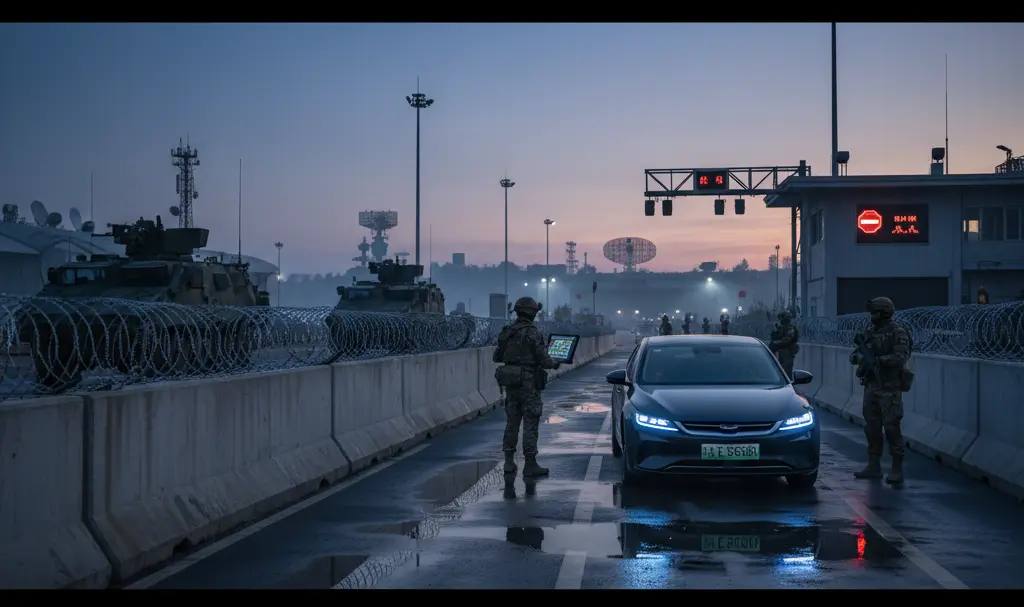
The Chief of the General Staff of the Polish Army has issued a complete ban on mechanical vehicles manufactured in the People’s Republic of China from entering protected military facilities. This stringent measure is the result of a comprehensive risk analysis that identified modern cars’ advanced digital systems as potential conduits for uncontrolled acquisition, processing, and transmission of sensitive data.
Modern vehicles, equipped with sophisticated connectivity systems and sensors, can collect and transmit data. Therefore, their presence in protected zones necessitates appropriate security regulations. The implemented measures are preventive and align with practices adopted by NATO member states and other allies to ensure the highest standards for protecting defense infrastructure.
— Colonel Marek Pietrzak, General Staff of the Polish Army communiqué
To further minimize the risk of information leakage, military personnel are also prohibited from connecting their official smartphones to the in-car entertainment systems of such vehicles.
International technology news outlets, analyzing the Polish regulations, have noted that Poland is among the first countries to explicitly target and ban Chinese-made cars. While general prohibitions on using cameras within military areas are standard practice across NATO nations, this specific ban highlights a new level of concern regarding vehicle-embedded technology.
Scope and Future Possibilities
The restrictions introduced by the military are not absolute. They do not apply to publicly accessible facilities, including clinical hospitals, outpatient clinics, military prosecutor’s offices, or garrison clubs. Concurrently, the General Staff has proposed the creation of appropriate legal conditions that would enable manufacturers to obtain a special information security homologation. This certification process could, in the future, allow safe vehicles to be approved for entry into restricted military areas.
The Rise of Chinese Car Brands in Poland
Individual and business customers in Poland now have an increasingly wide selection of vehicles from China. Brands such as MG, Omoda, Jaecoo, BYD, BAIC, Leapmotor, Chery, and Forthing are commonly seen on Polish roads today. Beyond popular models, manufacturers targeting the premium and luxury segments are also debuting, with Hongqi being an excellent example.
Polish drivers are particularly eager to purchase these vehicles, primarily due to their excellent price-to-quality ratio and exceptionally rich standard equipment. For European counterparts, advanced driver-assistance systems, sophisticated multimedia, or leather upholstery often come at a significant additional cost. In contrast, Asian manufacturers frequently offer these features in their base variants. Long warranty periods also act as a strong magnet for customers.

Chinese Car Popularity Reaches Record Highs
The success of Chinese automotive brands in Poland is unprecedented, accelerating at a rapid pace month after month. Statistics indicate that tens of thousands of new Chinese-brand cars were registered in Poland last year, translating into a significant and clear several-percent share of the total new passenger car market. Vehicles from Asia are no longer considered exotic curiosities; they have become a legitimate alternative to popular models from Japan, South Korea, or Europe.
This situation creates a remarkable paradox: citizens are massively opting for Asian vehicles packed with electronics, while state institutions are simultaneously perceiving them as a serious threat to national security.
Frequently Asked Questions (FAQ)
Why did the Polish Army ban Chinese cars from military facilities?
The Polish Army banned Chinese-made vehicles due to concerns over espionage and the uncontrolled collection and transmission of sensitive data by their advanced digital systems. A risk analysis revealed that modern vehicle technology could pose a national security threat.
What types of vehicles are affected by this ban?
The ban applies to all mechanical vehicles manufactured in the People’s Republic of China, preventing their entry into protected military facilities.
Are Chinese cars popular with Polish consumers?
Yes, Chinese car brands have seen unprecedented success in Poland, breaking sales records due to their excellent price-to-quality ratio, rich standard equipment, and long warranty periods, making them a popular alternative to European and Asian competitors.
Is Poland the only NATO country to implement such a ban?
While general bans on cameras in military areas are common among NATO countries, Poland is noted as one of the first to explicitly ban Chinese-made vehicles directly, highlighting a specific concern about the embedded technology in these cars.
Does the ban apply to all military sites?
No, the ban is not absolute. It does not cover publicly accessible military facilities such as clinical hospitals, outpatient clinics, military prosecutor’s offices, or garrison clubs.
Source: Polish Army, Auto-świat, TVN24, Cyberdefence24. Opening photo: Generated by Gemini.
About Post Author
