

Contents
Poland’s mObywatel App to Be Replaced by New EU-Compliant Digital ID
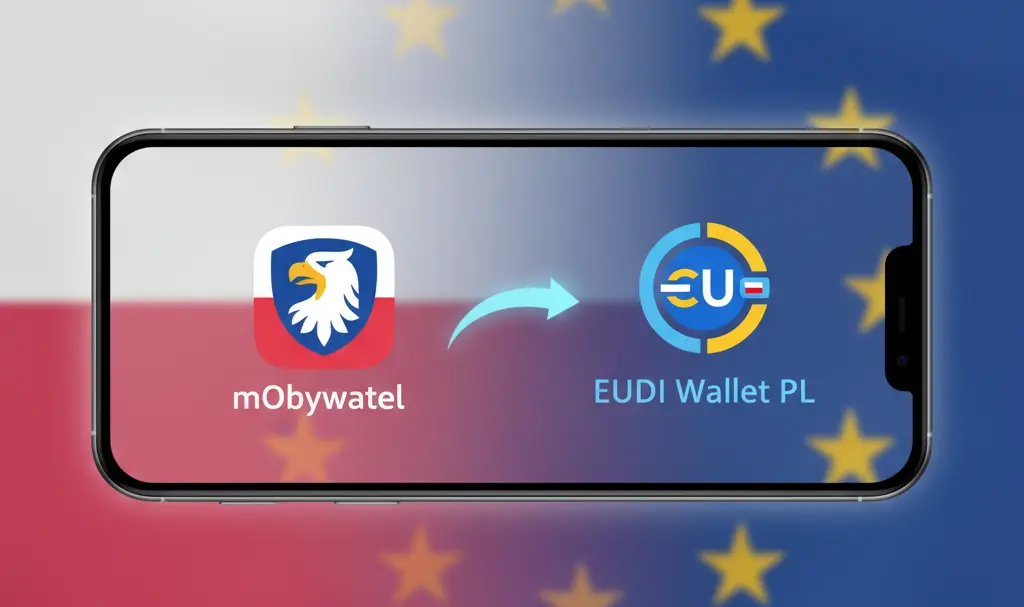
The mObywatel application, utilized by millions of Poles, will not be integrated with the European Digital Identity Wallet (EUDI Wallet). This decision stems from significant technological hurdles imposed by the stringent eIDAS 2.0 regulation. The Ministry of Digitalization has confirmed that a new, dedicated application will be necessary to meet these standards. This raises the question: when will Polish citizens bid farewell to mObywatel?
Why eIDAS 2.0 Requirements Block Integration
The eIDAS 2.0 regulation, which all European Union member states must implement by December 2026, establishes strict common standards for cross-border digital identity. While mObywatel currently retrieves real-time data from national databases (such as PESEL, Poland’s national identification system) without storing digital certificates, the EU Digital Identity Wallet operates differently.
The EUDI Wallet specifically requires digital certificates issued by qualified trust service providers. This fundamental architectural difference makes it impossible to adapt the existing mObywatel application for integration. The technological framework mandated by Brussels requires complete uniformity across the entire European Union, creating a substantial technical and organizational disparity between mObywatel and the European Digital Identity Wallet. Consequently, two key issues arise:
- Incompatibility with Existing App: It is not feasible to adapt the current mObywatel application to meet the specified requirements for the European Digital Identity Wallet. This necessitates the development of an entirely new solution, including a new application.
- No Document Transfer: Mobile documents from the mObywatel application cannot be transferred to the new European Digital Identity Wallet. This means there will be no data flow between mObywatel and Poland’s new EU-compliant digital wallet.
The draft legislation outlines the creation of a new application that will be fully compliant with these requirements. Users will be required to “re-obtain” or register their documents within this new system, as direct migration from mObywatel will not be possible.
What This Means for Polish Citizens and E-Administration
While the mObywatel application has been a source of pride for Polish digitalization efforts, it ultimately does not meet the EU’s rigorous requirements for full compatibility with the EUDI Wallet solution. Therefore, it will eventually be replaced by a new system.
During a transitional period, Polish citizens will have the option to use either mObywatel or the new government-issued application. However, the long-term plan is to maintain only one system. The Ministry of Digitalization has determined that operating two parallel systems would be inefficient, costly, and potentially confusing for citizens.
The forthcoming application is expected to offer similar functionalities to mObywatel but with complete EU compliance. This will enable advanced features such as online age verification and seamless access to services in other EU countries. The new system, often referred to informally as “mObywatel 3.0,” is designed for full integration with the new European trust network.
This integration will ultimately allow for effortless identity verification, whether during international travel, renting a car, or opening a bank account in any EU member state.
Government Plans and Implementation Schedule
The draft bill for amending the Act on Trust Services and Electronic Identification (UC122) is currently undergoing public consultations and review. Published on February 19, 2026, on the Government Legislation Centre’s website, the justification emphasizes the necessity of developing a separate European Wallet solution.

Given that the current mObywatel application cannot evolve into the European Digital Identity Wallet, the government plans to introduce a new, eIDAS 2.0-compliant wallet. mObywatel will function alongside this new wallet temporarily during the transition period.
The Ministry of Digitalization has already presented a draft amendment to the regulations, aiming to align national solutions with strict EU requirements and pave the way for a new generation of advanced e-services.
EU law mandates the implementation of the EUDI Wallet framework by 2026 (a deadline stemming from Regulation 2024/1183). This pressing timeline means Poland must have a ready solution within the coming months, which will undoubtedly accelerate work on the new application.
The government’s legislative plans for this bill anticipate its adoption by the Council of Ministers in Q2 2026. Following this, the draft is slated to proceed to the Sejm (Polish parliament) for further legislative stages.
Frequently Asked Questions (FAQ)
What is eIDAS 2.0?
eIDAS 2.0 (electronic IDentification, Authentication and trust Services) is an updated EU regulation that sets strict standards for cross-border digital identity within the European Union. It aims to ensure a high level of trust and security for electronic transactions and digital identity solutions across member states.
What is the EUDI Wallet?
The European Digital Identity Wallet (EUDI Wallet) is a new digital identity solution mandated by eIDAS 2.0. It will allow EU citizens to store and use their digital identification and other official documents securely across all member states, facilitating seamless access to online and offline services.
Why can’t mObywatel be integrated with the EUDI Wallet?
mObywatel’s current technological architecture, which relies on real-time data retrieval from national databases without storing digital certificates, is incompatible with the EUDI Wallet’s requirement for digital certificates issued by qualified trust service providers. The strict, uniform technical standards of eIDAS 2.0 make direct integration impossible.
Will my documents transfer from mObywatel to the new app?
No, due to the significant architectural differences and security requirements, it will not be possible to transfer mobile documents directly from mObywatel to the new EU-compliant digital identity application. Users will need to re-register or “re-obtain” their documents within the new system.
When will the new digital identity app be available?
The EU regulation mandates the implementation of the EUDI Wallet framework by December 2026. The Polish government’s legislative plans anticipate the new bill’s adoption by the Council of Ministers in Q2 2026, with further legislative steps to follow. This timeline suggests the new application will be developed and rolled out in the coming months to meet the EU deadline.
Source: Cashless, Legeartis, Ministry of Digitalization. Opening photo: Generated by Gemini
About Post Author
