

Contents
Understanding Carbon Monoxide and How Detectors Keep You Safe
Carbon monoxide (CO), commonly known as the “silent killer,” is a deadly threat that claims lives, particularly in the winter months. It’s tasteless, odorless, colorless, and non-irritating—making it virtually undetectable without specialized equipment. However, at sufficient concentrations, it can induce unconsciousness and fatally poison a victim in under 30 minutes. The most effective way to protect yourself and your family from CO is by installing a carbon monoxide detector. How does this unassuming device save lives? Let’s explore.
Where Does Carbon Monoxide Come From?
Carbon monoxide is a highly toxic gas, completely devoid of smell, taste, and color, earning it the ominous title of “the silent killer.”
CO is produced when carbon and carbon-containing substances burn with insufficient air supply. Potential sources of carbon monoxide in residential areas include fireplaces, gas water heaters, coal, gas, or oil furnaces, and gas stoves. Factors contributing to CO production often include overly sealed windows, faulty burners, blocked ventilation grates, or obstructed chimneys.
What Are the Symptoms of Carbon Monoxide Poisoning?
Carbon monoxide enters the body with inhaled air and initially shows no visible signs of poisoning. How does it affect the body? Through the respiratory system, CO is absorbed into the bloodstream and binds with hemoglobin over 200 times faster than oxygen, thereby blocking oxygen supply to the body. This leads to damage to the brain and other internal organs.
Concentrations of approximately 1000 ppm (0.1% by volume of air) are considered life-threatening. However, the first symptoms of poisoning can appear at concentrations lower than 0.04%. Depending on the gas concentration and exposure time, various symptoms may occur:
- At lower concentrations: Severe headache, weakness, nausea or vomiting, problems with concentration, and accelerated heart rate.
- At higher concentrations: Drowsiness, sudden skin reddening, and disturbances in balance and consciousness.
If help is not provided in time and consciousness is lost, it is often too late.
“The weakness and fatigue felt by the poisoned individual, along with disorientation and impaired judgment, render them completely passive (unable to escape the source of the poison), leading to loss of consciousness and—if no one comes to their aid—death.”
— Excerpt from a statement by the District Headquarters of the State Fire Service in Kłodzko
According to data from the Polish State Fire Service Headquarters, an average of over 600 people die each year in Poland due to fires and carbon monoxide poisoning, with several thousand more suffering health damage.
Pets as Early Warning Indicators
It’s worth observing pets, such as dogs and cats, as they are highly sensitive to carbon monoxide poisoning and often exhibit symptoms earlier than humans. This makes them natural indicators of danger.
Animals breathe faster and have a higher oxygen demand, causing them to react to CO first. Sudden lethargy or unsteady gait in a pet can be a signal to check ventilation and evacuate immediately.

Interestingly, insects are not affected by carbon monoxide poisoning. They do not use respiratory pigments (like hemoglobin) for breathing, so CO has no impact on oxygen transport in their bodies.
What Are Detectors and How Do They Work?
Carbon monoxide detectors are relatively small, electronic devices designed for continuous monitoring of air quality in enclosed spaces. In recent years, they have become standard, and often required, equipment in many homes and apartments.
The primary role of home detectors is to detect even very early, minimal concentrations of these dangerous substances in the air before they pose a direct threat to the health and life of people nearby.
At the heart of every such device is a precise sensor, most commonly based on electrochemical or semiconductor technology. The moment the concentration of the toxic gas exceeds a factory-set, safe threshold, a rapid chemical reaction or a sudden change in electrical resistance occurs within the module, immediately triggering the system’s alarm.
The device then emits an extremely loud, penetrating alarm signal and a clear, pulsating light indication. This is intended to wake even the deepest sleeping household members, provide time to call appropriate emergency services, and enable a swift evacuation.
Where to Install Carbon Monoxide Detectors?
The effectiveness of a home detector depends on its correct placement, which must be strictly adapted to the specific hazard it detects.
Carbon monoxide has a density similar to air and mixes fairly evenly throughout a room. Therefore, CO detectors are best installed at an adult’s eye level, approximately 5 feet (1.5 meters) above the floor.
Maintain a distance of about two to three meters (6.5 to 10 feet) from a potential source of exhaust fumes, such as a bathroom heater or fireplace. It is recommended to install carbon monoxide detectors particularly in the sleeping areas of the home.
“The number and placement of detectors should be chosen according to the building’s layout, the number of bedrooms, and the location of potential carbon monoxide sources. A minimum of one detector per floor and one for each sleeping area of the house (in each bedroom if doors are closed at night, and in the hallway or corridor) is recommended. The detector should be placed so that it is audible in every room, especially bedrooms. […] It is standardly recommended to place them on a wall at a height of 150 cm (about 5 feet) above the floor and at least 250 cm (about 8 feet) from devices that could be a source of carbon monoxide.”
— Excerpt from T. Sawicki’s article “What a Blast!” (Fire Review)
The situation is quite different for natural gas detectors, as natural gas is significantly lighter than air and quickly rises. This requires installing the device just below the ceiling. Conversely, if you use propane-butane gas cylinders at home, which is heavier than air and sinks to the bottom of the room, the appropriate detector must be hung low, just a few inches above the floor.
A good way to check if there is carbon monoxide in the house is to temporarily move the detector to other parts of the home. This practice can be particularly helpful if any household member has started to show even the slightest symptoms of carbon monoxide poisoning.
Testing Carbon Monoxide Detectors
Simply having a detector on the wall does not solve the problem; regular, monthly testing is equally important. Every certified device of this type is factory-equipped with an easily accessible test button.
This button should be pressed periodically to ensure that the audible circuits, indicator lights, and battery power system are functioning flawlessly. For optimal safety, it’s recommended to perform a functional test once a week by pressing the ‘TEST’ button.
Another crucial aspect is awareness that sensors have a defined lifespan, generally ranging from seven to ten years. After the expiration date (usually embossed on the back of the casing), the entire device must be disposed of and replaced with a new model, regardless of whether the battery indicator suggests the unit is still active.
Additionally, once a year, it is advisable to conduct a check using a special commercially available test gas specifically designed for carbon monoxide detectors. This ensures the sensor itself is still accurate and responsive.
Ministry Debunks False Claims About Detector Malfunctions
Despite the enormous role detectors play in protecting human lives, this equipment recently became the unexpected target of a significant wave of misinformation.
Partially due to inadvertent remarks by one of the former chief commandants of the State Fire Service, alarming reports emerged about an alleged global malfunction of popular models of smoke and carbon monoxide detectors.
“Unfortunately, disturbing information is reaching me from all over Poland: smoke detectors, which were supposed to save lives and warn of fire hazards – distributed as part of the MSWiA and PSP campaign with Radio ZET – simply do not work. We are dealing with a huge failure. If this is true, the matter…”
— Andrzej Bartkowiak (@ABartkowiak_PSP) February 17, 2026
These claims suggested that devices in homes were massively failing to react to smoke and toxic gases, causing considerable alarm. The Ministry of Interior and Administration officially debunked this information.
The Ministry, in conjunction with the leadership of fire services, issued unequivocal statements on the matter, clearly stating that no systemic or factory malfunction of certified fire and gas detection devices approved for legal trade within the European Union had been recorded.
Frequently Asked Questions (FAQ)
What is carbon monoxide (CO)?
Carbon monoxide is a highly toxic, colorless, odorless, and tasteless gas produced when fuels burn incompletely. It’s often called “the silent killer” because it’s impossible to detect without a special device.
How does carbon monoxide poisoning affect the body?
CO enters the bloodstream through the lungs and binds with hemoglobin over 200 times more readily than oxygen. This prevents oxygen from reaching vital organs like the brain and heart, leading to severe damage or death.
What are the common sources of carbon monoxide in a home?
Common sources include fireplaces, gas water heaters, furnaces (coal, gas, or oil), gas stoves, and generators. Faulty ventilation, blocked chimneys, or sealed windows can contribute to CO buildup.
Where should I install carbon monoxide detectors in my home?
CO detectors should be installed at an adult’s eye level (about 5 feet above the floor) and 6.5 to 10 feet away from potential CO sources. It’s crucial to place them in or near all sleeping areas and on every floor of your home.
How often should I test my carbon monoxide detector?
You should test your CO detector weekly by pressing the ‘TEST’ button. Additionally, annual checks with a specialized test gas are recommended to ensure sensor accuracy. Remember, detectors also have a limited lifespan (7-10 years) and need to be replaced after their expiration date.
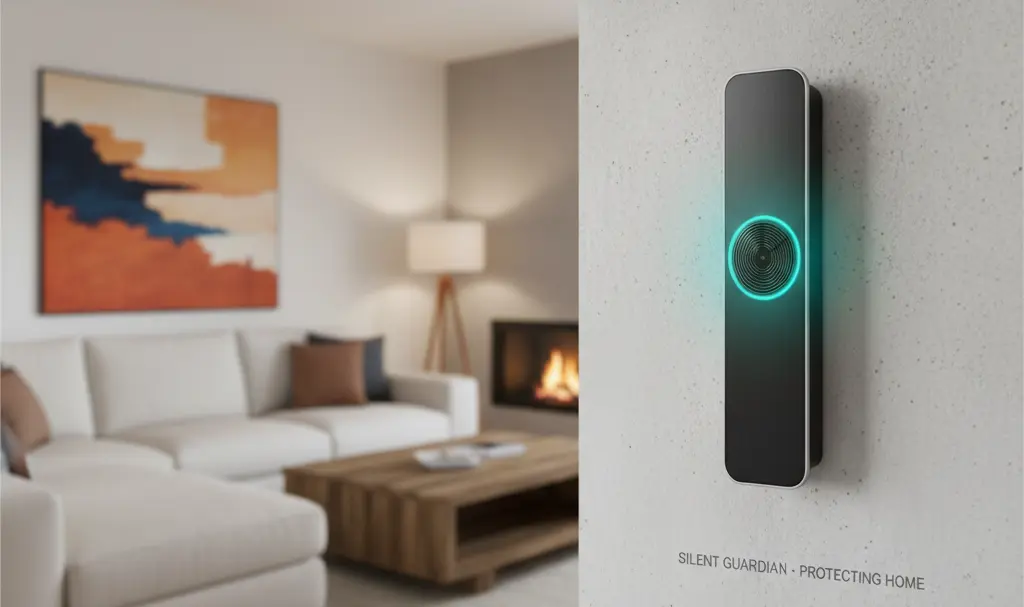
Source: PSP, MSWiA, TVP Info, Centrum Ratownictwa, Brainly. Opening photo: Generated by Gemini
About Post Author
