

Contents
Unwanted Guests: Understanding and Eliminating Silverfish in Your Home
They aren’t dangerous and don’t transmit diseases, yet they evoke a strong sense of unease. Silverfish are common household pests that thrive in warm, moist environments. While they pose no direct threat to your health, their presence is a clear warning sign about the condition of your home: you likely have a significant humidity problem.
What Are Silverfish and Where Do They Live?
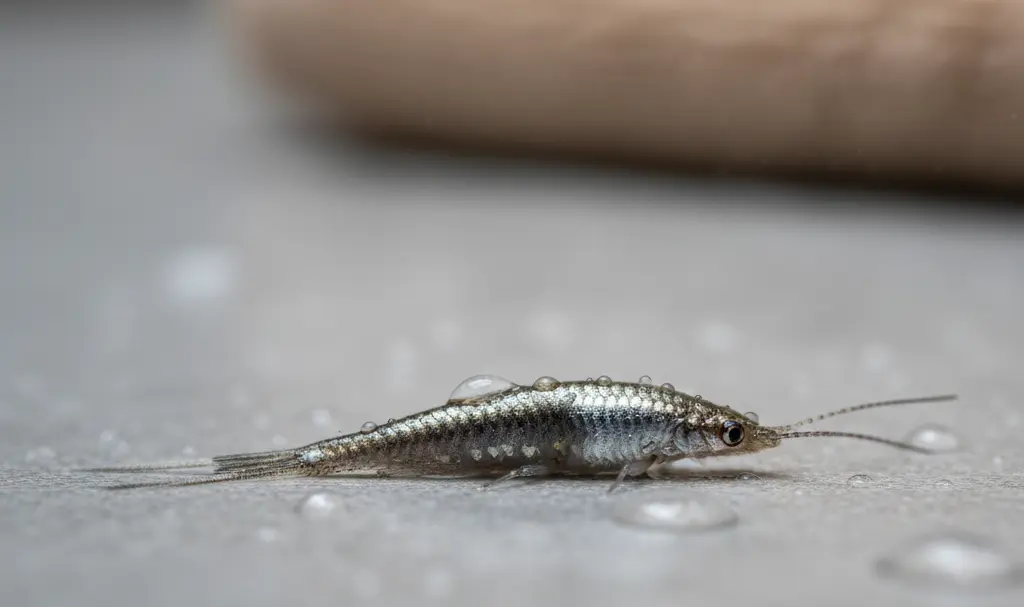
Silverfish (Lepisma saccharina) are small, wingless insects, typically up to an inch long, characterized by their distinctive silvery-gray, scale-covered bodies and a fish-like movement. They possess two long antennae at the front and three bristle-like appendages at their rear. These nocturnal creatures move incredibly fast, often appearing as fleeting “shadows” darting away when a light is switched on, especially in a bathroom.
They prefer warm, humid, and dark places, making them frequent inhabitants of:
- Bathrooms and laundry rooms
- Kitchens and basements
- Behind furniture and along skirting boards
- Near water pipes and leaky fixtures
- In attics and crawl spaces with poor ventilation
You might not even realize you have these tenants, as silverfish are primarily active at night. During the day, they remain hidden in cracks, crevices, and other secluded spots, only becoming more noticeable when their population grows significantly.
Are Silverfish a Threat to Your Health?
From the perspective of human and pet health, silverfish are generally considered nuisance pests rather than dangerous ones. They do not bite, sting, or transmit any known infectious diseases. So, while unsettling, you don’t need to worry about immediate health risks from direct contact.
However, silverfish can indirectly affect your living comfort and well-being:
- Allergens: Their droppings and shed exoskeletons (chitinous shells) can act as allergens for sensitive individuals, potentially exacerbating asthma or allergy symptoms.
- Property Damage: Silverfish primarily feed on substances rich in starches and sugars. This diet can lead to damage in household items such as books, paper, wallpaper, glues, cotton fabrics, and even certain food items. A large population can result in noticeable holes and deterioration of your belongings over time.
- Humidity Indicator: Most importantly, their presence is a strong indicator of elevated humidity levels in your home. This excess moisture creates an ideal breeding ground for more serious issues like mold and mildew, which *are* known to cause significant health problems, including respiratory issues, allergies, and other illnesses.
Tackling Humidity: The Root Cause of Silverfish Infestations
The presence of silverfish serves as an urgent signal that you need to address humidity issues in your home. These insects thrive in environments with relative humidity above approximately 75%. This is why they are particularly fond of bathrooms after hot showers, poorly ventilated kitchens, damp basements, and areas with leaky plumbing.
To create an environment less hospitable to silverfish and prevent mold growth, consider these steps:
- Ventilate Regularly: Open windows and doors daily to allow fresh air circulation, especially in moisture-prone rooms.
- Improve Mechanical Ventilation: Ensure your bathroom and kitchen exhaust fans are functioning efficiently and use them during and after showering or cooking.
- Use Range Hoods: Always operate your range hood when cooking to extract steam and moisture.
- Dry Surfaces: After bathing or showering, wipe down tiles, shower curtains, and other wet surfaces instead of letting the water evaporate naturally.
- Address Leaks: Promptly repair any leaky pipes, faucets, or roof leaks.
- Consider Dehumidifiers: In more problematic areas like basements or poorly ventilated rooms, electric dehumidifiers or moisture absorbers can effectively bring down humidity levels.
The goal is to maintain indoor humidity levels between 30% and 50%. These conditions are comfortable for humans but significantly less attractive for silverfish and detrimental to mold growth.

Spring Cleaning: Eliminating Hiding Spots and Food Sources
Removing potential hiding places and limiting access to food are crucial additional steps to control and reduce silverfish populations. Thorough and regular cleaning can make a big difference:
- Vacuum and Clean Thoroughly: Pay special attention to skirting boards, corners, and the spaces under and behind furniture. Silverfish can hide and feed on dust, debris, and tiny crumbs.
- Store Food Properly: Keep dry goods like flour, sugar, cereals, and pet food in airtight containers instead of flimsy paper or cardboard packaging. Clean up food spills and crumbs promptly, especially in hard-to-reach kitchen areas.
- Declutter: Reduce clutter, especially piles of old newspapers, magazines, cardboard boxes, and fabric scraps, as these provide both food and shelter for silverfish.
- Seal Cracks and Crevices: Seal any cracks or gaps in walls, around pipes, and near door and window frames. Limiting these “shelters” makes it much harder for silverfish to establish themselves and move throughout your home.
Effective Methods to Get Rid of Silverfish
Before resorting to chemical solutions, you can try several simple, homemade methods to eliminate silverfish:
- Boric Acid (Borax): A popular solution involves using boric acid (borax) in powder form or as a homemade bait. Mix it with a small amount of flour or sugar and place it in areas where silverfish are active. Boric acid acts as a toxic substance to silverfish and their eggs. Handle with care and keep away from children and pets.
- Natural Repellents: Certain essential oils, such as cedarwood, citrus (lemon, orange), and lavender, can act as natural deterrents. Place cotton balls soaked in these oils in infested areas.
- Sticky Traps: Commercial sticky traps designed for insects can be effective in monitoring and reducing small populations.
For large infestations, or if home methods prove insufficient, stronger measures may be necessary:
- Chemical Insecticides: Insecticidal sprays, powders, or ready-made sticky traps specifically designed for crawling insects can be purchased. Always follow product instructions carefully and ensure proper ventilation.
- Professional Pest Control: In cases of severe or persistent infestations, calling a professional pest control service is the most effective solution. They can identify the source of the problem and apply targeted treatments safely.
Frequently Asked Questions (FAQ)
What are silverfish and what do they look like?
Silverfish are small, wingless insects, typically up to an inch long, with a distinctive silvery-gray, scale-covered body. They have two long antennae at the front and three bristle-like appendages at their rear, moving in a fish-like manner. They are nocturnal and fast-moving.
Are silverfish harmful to humans or pets?
No, silverfish are not directly harmful to humans or pets. They do not bite, sting, or transmit diseases. However, their droppings and shed skins can trigger allergies in sensitive individuals, and they can damage household items like books and clothes by feeding on starches and sugars.
What attracts silverfish to a home?
Silverfish are primarily attracted to warm, dark, and highly humid environments. They thrive in humidity levels above 75%. Common attractants include damp bathrooms, kitchens, basements, leaky pipes, and food sources rich in starches and sugars like paper, glue, and certain fabrics.
How can I prevent silverfish infestations?
Preventing silverfish involves controlling humidity, eliminating food sources, and sealing potential hiding spots. This includes regular ventilation, using exhaust fans, fixing leaks, cleaning thoroughly, storing food in airtight containers, decluttering, and sealing cracks in walls and around pipes.
What are the best ways to get rid of silverfish?
You can start with home remedies like boric acid bait or natural repellents like cedarwood, citrus, or lavender essential oils. For larger infestations, commercial sticky traps, insecticidal sprays, or powders can be used. If the problem persists, professional pest control is recommended.
Source: Dagens.no, blog.entomologist, Castorama, DOZ. Opening photo: Gemini
About Post Author
