Contents
Samsung Ends Ambitious Galaxy Z TriFold Project After Brief Debut
Samsung has officially announced the discontinuation of one of its most ambitious and experimental projects in the Galaxy Z series: the Galaxy Z TriFold. This groundbreaking smartphone, featuring a triple-folding screen, is being pulled from the market just three months after its initial debut. The decision highlights Samsung’s strategy of pushing technological boundaries while carefully evaluating market readiness for such advanced devices.
The Rise and Swift Fall of the Galaxy Z TriFold
Reports regarding the cessation of production for the unique Samsung Galaxy Z TriFold began circulating on March 16. A day later, the South Korean tech giant officially confirmed these rumors. This confirmation signifies the complete shutdown of production lines and the termination of sales for the innovative device.
Samsung has no plans for further shipments, and the availability of the Galaxy Z TriFold will be restricted to clearing out existing stock in various regions globally. This swift decision to end the project came just three months following its highly anticipated launch, underscoring its unique positioning within Samsung’s portfolio.
Unofficially, the manufacturer acknowledges that the smartphone was not conceived as a long-term product intended for sustained mass production. Instead, it served primarily as a cutting-edge showcase for new and advanced display technologies. While existing dual-folding smartphones, like the popular Galaxy Z Fold and Z Flip series, have garnered significant user enthusiasm, the TriFold was a distinct venture into even more complex designs.
Despite its short market presence, the Galaxy Z TriFold demonstrated considerable interest from early adopters. As reported in late January, an initial batch of over 10,000 units of the Galaxy Z TriFold sold out in a matter of minutes, proving that there is a niche, albeit experimental, market for such highly innovative devices.
A Glimpse into the Future: What Made the TriFold Unique?
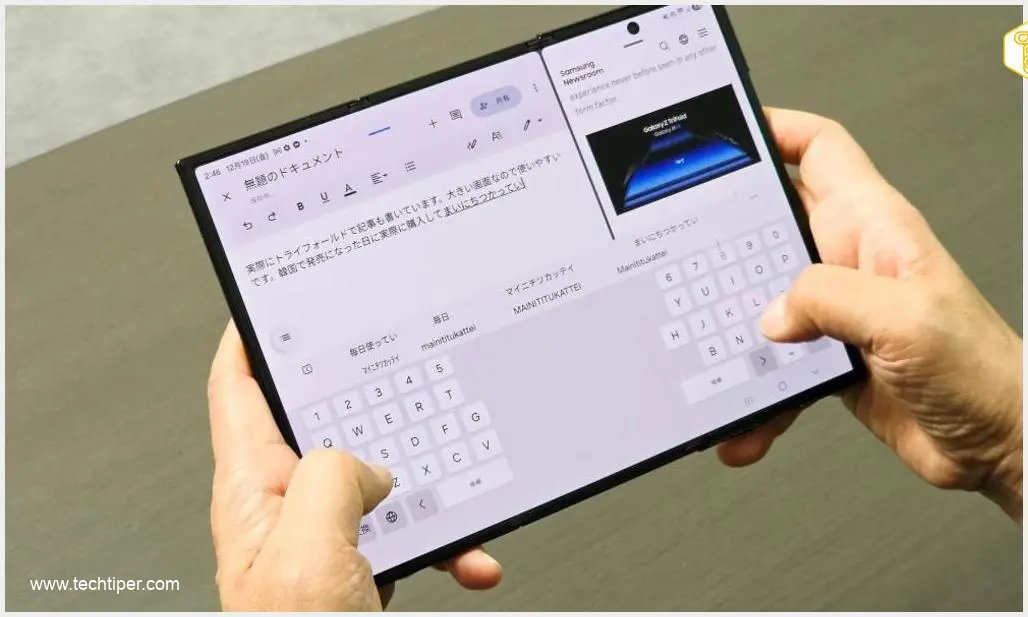
The Samsung Galaxy Z TriFold distinguished itself primarily through its pioneering tri-fold construction. This design incorporated two hinges and three distinct screen segments, which, when fully unfolded, coalesced into an expansive display surface measuring almost 10 inches. This innovative approach aimed to maximize screen real estate in a compact, portable form factor.
Samsung opted for an inward-folding mechanism, a choice intended to provide superior protection for the flexible display panel against external damage when the device was closed. However, this sophisticated folding architecture inherently added a layer of complexity to the device’s engineering and manufacturing processes.
Why the Short Run? Factors Behind the Discontinuation
Several factors contributed to the Galaxy Z TriFold’s brief market lifespan and its ultimate discontinuation:
- Limited Availability: The device was released in highly restricted quantities, indicating it was never intended for broad consumer distribution.
- Premium Price Point: With an approximate price tag of around $2,500 USD (or equivalent in other major currencies), the Galaxy Z TriFold was positioned at the very high end of the market, appealing only to early adopters and tech enthusiasts.
- Experimental Nature: As acknowledged by Samsung, the TriFold was more of an exploratory project designed to test the limits of foldable technology rather than a product ready for mainstream adoption.
- Manufacturing Complexity: The intricate design with multiple hinges and screen segments presented significant manufacturing challenges, likely hindering large-scale production.
These elements collectively suggested that while Samsung was eager to demonstrate its innovation, the company was not yet prepared for the mass production or widespread commercialization of this specific type of multi-foldable hardware. The focus remains on refining the more established dual-folding designs that have already found success in the market.

What This Means for the Future of Foldables
The discontinuation of the Galaxy Z TriFold does not signal a retreat for Samsung from the foldable smartphone arena. On the contrary, it reinforces Samsung’s commitment to continuous innovation in this segment. The project served as invaluable research and development, providing critical insights into the engineering, durability, and user experience of multi-foldable devices.
Lessons learned from the TriFold’s development are likely to inform future iterations of foldable technology. Samsung is expected to continue focusing on enhancing its existing, popular Galaxy Z Fold and Z Flip series, making them more robust, affordable, and accessible. However, the bold step with the TriFold suggests that Samsung remains keen on exploring even more advanced form factors, potentially including future multi-fold or rollable devices, once the technology and market are more mature.
The quick sell-out of the initial TriFold units, despite its experimental status and high price, confirms a strong underlying demand for cutting-edge and innovative smartphone designs. This indicates that while the TriFold itself was a limited experiment, the future for more advanced foldable and flexible display technologies remains bright.
Frequently Asked Questions (FAQ)
What was the Samsung Galaxy Z TriFold?
The Samsung Galaxy Z TriFold was an experimental smartphone that featured a unique triple-folding screen design with two hinges and three display segments. When fully unfolded, it offered a near 10-inch screen, showcasing Samsung’s advanced foldable display technology. It was conceived as a technology demonstration rather than a mainstream consumer product.
Why was the Galaxy Z TriFold discontinued so quickly?
The Galaxy Z TriFold was discontinued just three months after its launch because it was designed as an experimental project to showcase new technologies, not as a long-term, mass-produced device. Factors contributing to its short run included limited availability, a very high price point (around $2,500 USD), and the inherent complexity of its tri-fold design, which made it unsuitable for widespread commercialization at the time.
Does this mean Samsung is abandoning multi-foldable smartphones?
No, the discontinuation of the Galaxy Z TriFold does not mean Samsung is abandoning multi-foldable smartphones. Instead, it indicates a strategic evaluation of market readiness and technological maturity. Samsung continues to invest heavily in foldable technology, with ongoing development for its popular Galaxy Z Fold and Z Flip series. The TriFold project provided valuable insights for future innovations, suggesting that more advanced, multi-folding or even rollable devices may emerge when the technology and market are more prepared.
How did the Galaxy Z TriFold compare to the existing Galaxy Z Fold series?
The Galaxy Z TriFold represented a more experimental and complex design compared to the existing Galaxy Z Fold series. While the Z Fold devices feature a single hinge and fold in half, the TriFold used two hinges and folded into three segments, offering a significantly larger unfolded display (nearly 10 inches). The TriFold was a proof-of-concept for advanced multi-folding capabilities, whereas the Z Fold series are established, commercially available premium smartphones. The Z TriFold’s higher complexity, limited production, and experimental nature set it apart from the more refined and market-ready Z Fold models.
Source: Sammobile, Original Reporting. Opening photo: Samsung Newsroom / Press Materials
About Post Author