

Contents
Former Soldier Masters Virtual Worlds with Neuralink Brain Implant
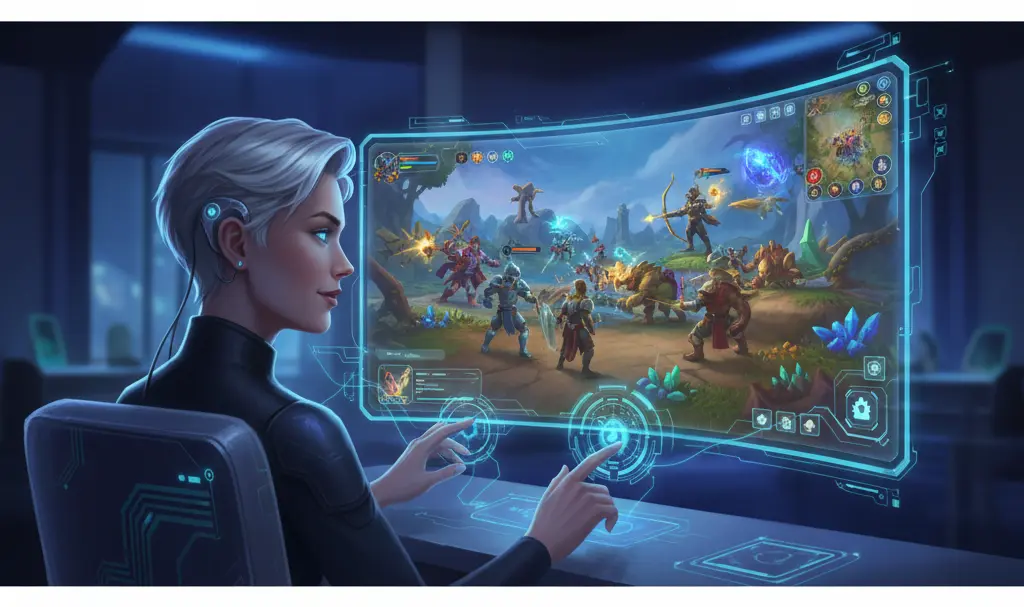
In recent years, the “magical” capabilities of the Neuralink chip have frequently made headlines, demonstrating its potential to profoundly change the lives of individuals living with paralysis. This advanced brain-computer interface (BCI) technology, when precisely controlled, can be harnessed for various applications, including recreational activities like gaming. A former British soldier recently showcased this groundbreaking potential by using his Neuralink implant to play the popular online game, World of Warcraft.
An Extraordinary Use of Neuralink
Jon Noble, a former soldier in the British Army, experienced paralysis from the waist down following a series of unfortunate events. A little over 100 days ago, he underwent a life-changing procedure to have a Neuralink chip, developed by Elon Musk’s company, implanted in his brain. Noble openly shares that this cutting-edge device has dramatically improved his life, particularly enhancing his ability to interact with computers. He even posted about his journey:
“It’s hard to believe it’s already been 100 days since I received my Neuralink N1 implant. Looking back, the whole journey feels like science fiction that somehow became my everyday reality. The surgery on Day 0 was surprisingly easy. A quick general anaesthetic, a small… pic.twitter.com/jmqA428RuV — Jon L. Noble🇬🇧 (@CheckCanopy) March 22, 2026”
Noble has notably learned to control his character in World of Warcraft using only his thoughts. While he admits this was not an easy feat initially, mastering the synchronization between his brain and the Brain-Computer Interface (BCI) has become what he describes as “pure magic.”
How Neuralink Works: Transforming Thoughts into Action
The ability to interact with digital environments, such as playing games, purely through intention underscores the remarkable adaptability of Neuralink’s technology. This is achieved through the chip’s direct implantation into the cerebral cortex—the brain’s outer layer responsible for complex thought. Once implanted, neuronal signals from the brain are instantly converted into digital commands, enabling seamless and intuitive interaction with external devices.
Despite the revolutionary potential, many people understandably harbor questions about the long-term effects of integrating a human brain with such sophisticated chip technology. The former British soldier acknowledged that for him, too, the concept initially felt like something out of science fiction. However, after several months of living with the implant, any initial discomfort completely disappeared, and he has embraced the new possibilities it offers.
The First Human Recipient Shares His Experience
The historical first human recipient of a Neuralink brain implant is Noland Arbaugh, a young American man. In 2016, a tragic diving accident left Arbaugh completely paralyzed. His life took a dramatic turn in January 2024 when he underwent the groundbreaking Neuralink procedure.
Since the implantation, Arbaugh’s life has been profoundly transformed. Interestingly, he expressed no doubts or hesitation about participating in the project, demonstrating immense courage and hope for the future of BCI technology.

When questioned about the possibility of the surgery not achieving its desired outcome, Arbaugh stated that even an unsuccessful result would not be a complete catastrophe. Instead, he believed that any data or insights gained from his experience could still contribute invaluable knowledge to help other patients in the future, highlighting his selfless dedication to advancing medical science.
Frequently Asked Questions (FAQ)
How does Neuralink technology enable control through thoughts?
Neuralink works by implanting a small chip directly into the cerebral cortex of the brain. This chip can detect and interpret neuronal signals, translating them into digital commands that can control external devices like computers, prosthetics, or game interfaces. This direct brain-computer interface (BCI) allows for intuitive interaction based on a user’s intentions and thoughts.
What are the primary benefits Neuralink aims to provide for individuals with paralysis?
Neuralink’s primary goal is to restore autonomy and improve the quality of life for individuals with severe neurological conditions, particularly those with paralysis. Key benefits include the ability to control computers and smartphones with thoughts, potentially restoring communication, mobility through advanced prosthetics, and even offering recreational opportunities like gaming, as demonstrated by Jon Noble.
What are some of the long-term considerations or ethical concerns surrounding permanent brain implants like Neuralink?
While the potential benefits are immense, long-term considerations for permanent brain implants like Neuralink include the durability and longevity of the implant itself, potential risks of infection or tissue reaction over time, and the ethical implications of merging human biology with artificial intelligence. There are also discussions around data privacy, potential psychological impacts, and ensuring equitable access to such transformative technology. Ongoing research and strict regulatory oversight are crucial to address these complex concerns responsibly.
Source: TechRadar. Opening photo: Blizzard Entertainment / press materials
About Post Author
