

Contents
Android Auto Gets EV Route Planning, Covering Over 350 Vehicles
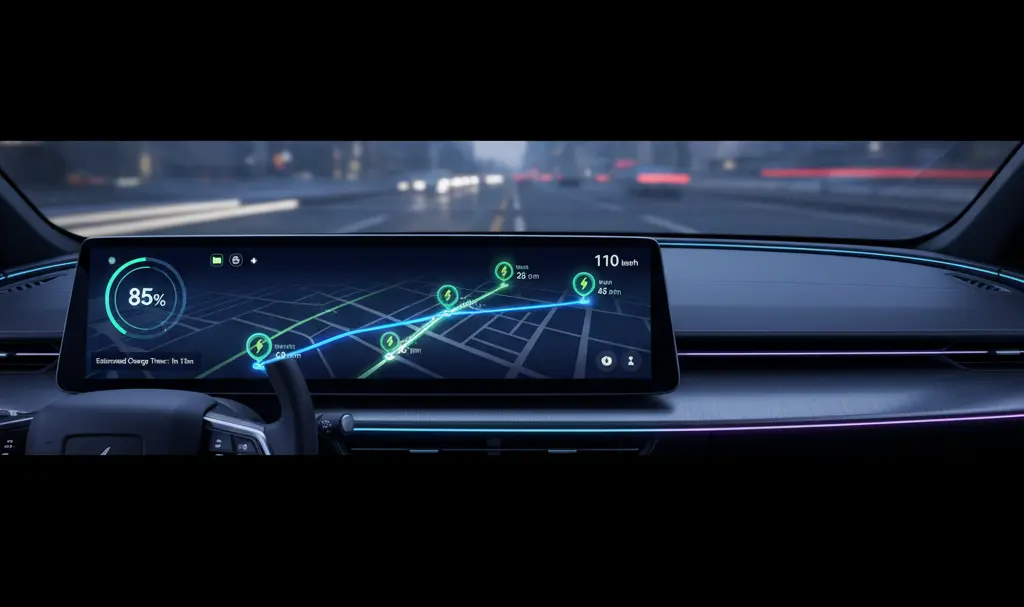
Google is rolling out a game-changing new feature for electric vehicle (EV) owners using Android Auto: native, intelligent route planning. This highly anticipated functionality in Google Maps will predict energy consumption and strategically suggest charging stops, transforming how EV drivers approach long journeys. Previously, planning routes for electric cars in Google Maps for Android Auto could be cumbersome due to the lack of dedicated EV-centric features.
Enhanced EV Trip Planning with AI
The Mountain View tech giant, known for its continuous innovation in Google Maps, including recent rollouts like immersive navigation updates, is now addressing a crucial need for the growing EV community. This new capability aims to simplify trip planning for over 350 electric vehicle models, potentially rendering many factory-installed navigation systems obsolete for EV-specific routing.
At the heart of this feature is an advanced AI-powered model designed to predict real-time electricity consumption. This intelligent tool considers a range of critical factors:
- Vehicle Parameters: Specific details about your EV model, including battery size and efficiency.
- Road Data: Topography, speed limits, and traffic conditions.
- Environmental Factors: Temperature, wind, and other weather-related elements that impact battery performance.
This comprehensive approach means drivers can get detailed energy consumption forecasts even before they leave home.
Seamless Journey Planning and Charging Stops
The process is straightforward: after a user inputs their vehicle’s profile and current battery charge level, the system automatically generates an optimized route. This route includes:
- Automatic suggestions for essential charging stops.
- A clear projection of the battery’s state of charge upon reaching the final destination.
- Estimated charging times at each recommended stop.
Furthermore, drivers have the flexibility to customize their journey by defining a minimum desired energy level at their destination. This smart feature prompts the algorithm to dynamically adjust the number and location of charging stops to meet this specific requirement, ensuring peace of mind for longer trips.
Availability and Future Expansion
Currently, this advanced electric vehicle forecasting feature is available for over 15 vehicle brands in the United States. To utilize this functionality, users will need Google Maps version 25.44 or newer. While the exact timeline for its rollout to other countries is yet to be announced, Google has indicated plans to expand support globally in the near future. This ongoing development highlights Google’s commitment to enhancing the user experience for EV drivers worldwide.
Speaking of Android Auto, some users have recently reported an Android Auto disappearing signal icon visual bug, which Google is actively testing fixes for, ensuring a smoother overall experience.
Frequently Asked Questions (FAQ)
How does the new EV route planning feature in Android Auto predict energy consumption?

The feature utilizes advanced AI-powered models that analyze a combination of factors, including specific vehicle parameters (like battery size and efficiency), real-time road conditions (topography, traffic), and environmental elements (temperature, wind). This comprehensive analysis allows for accurate predictions of energy usage throughout your journey.
Can I customize my charging stops with this new Android Auto feature?
Yes, absolutely. After entering your EV’s profile and current charge, the system generates a route with automatic charging suggestions. You can further customize this by setting a minimum desired battery charge level upon arrival at your destination. The system will then dynamically adjust the number and location of charging stops to ensure you meet this preference.
Is the new EV route planning feature available outside of the United States?
Currently, the advanced EV forecasting capabilities are available for over 15 vehicle brands in the United States. Google has announced plans to expand support to other countries in the near future, but specific timelines for international availability have not yet been released. Users should ensure they have Google Maps version 25.44 or newer to access the feature where available.
Source: Google, internal research. Opening photo: Gemini
About Post Author
