

Contents
The Rise of AI Companions: Beyond Chores to Emotional Connection
A few years ago, the primary goal of a domestic robot was simply to vacuum the floor. Today, the technology industry envisions machines serving a much more emotional and supportive function. Developers of next-generation artificial intelligence devices argue that a robot can simultaneously be a companion, a therapist, and a digital pet.
From Roomba to Artificial Intelligence Pets
In recent months, the internet has been captivated by humanoid robots like Tesla’s Optimus and Figure 01, while automotive giants like Hyundai continue to push the boundaries of robotic mobility. However, Colin Angle, the co-founder and former CEO of iRobot (the company behind the Roomba), is taking a completely different approach to AI-supported robotics. As the new era of robots for homes unfolds, the focus is shifting away from physical utility toward emotional connection.
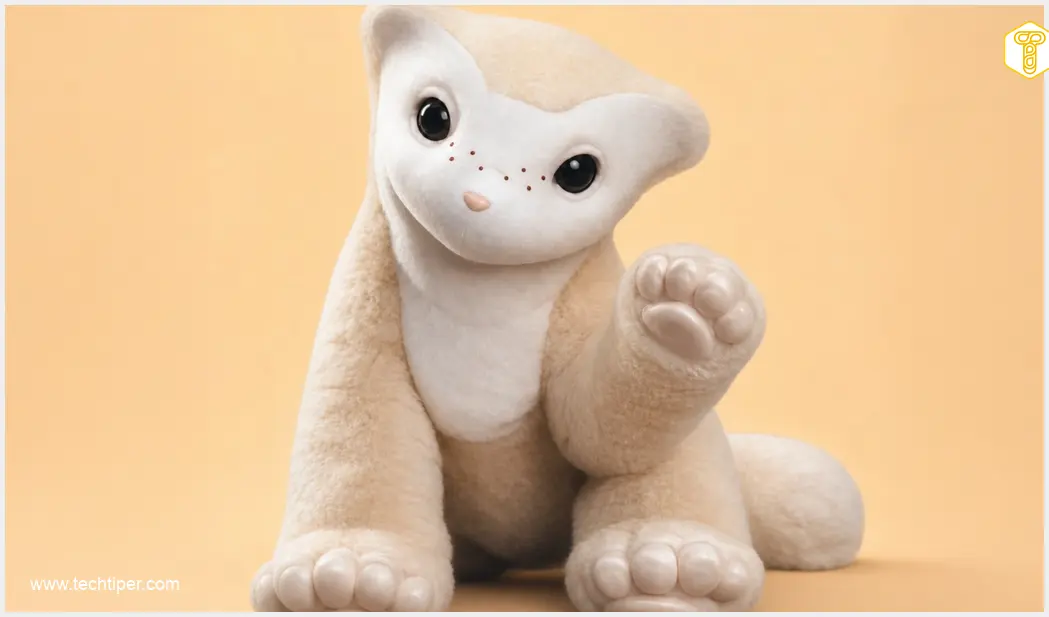
Now leading Familiar Machines & Magic, Angle recently unveiled a prototype of a plush AI pet named “Familiar.” The unique design resembles a cross between a dog, a bear, and a futuristic mascot.
What Makes the Familiar Robot Unique?
Unlike traditional utilitarian machines, Familiar is designed to interact organically and empathetically with its environment. Key features include:
- Touch-Responsive Fur: A soft exterior that naturally reacts to human touch and petting.
- Advanced Vision: Integrated stereo cameras allow the robot to observe and navigate its surroundings safely.
- Generative AI Integration: Continuously analyzes user behavior, routines, and context to respond intelligently.
- Powerful Hardware: Powered by the Nvidia Jetson Orin, a specialized AI computer capable of local data processing for lightning-fast responses and enhanced privacy.
Angle emphasizes that the device intentionally avoids looking exactly like a real dog or cat. This clever design choice prevents users from expecting a hyper-realistic animal replica, thereby successfully sidestepping the AI authenticity dilemma. Furthermore, Familiar does not speak with a human voice; instead, it communicates entirely through movements, gestures, and sounds that mimic genuine animalistic reactions.
A New Wave of Robots Designed to Cure Loneliness
The latest wave of consumer robots is clearly pivoting away from automating household chores and steering toward combating the global loneliness epidemic. Tech companies have realized that while advanced humanoid assistants remain highly expensive and mechanically complex, fostering an emotional bond with a simpler, more approachable robot can provide immense everyday value.
Familiar aims to build an attachment similar to the relationship one might have with a traditional living pet. This companionship is particularly beneficial for:
- Elderly individuals seeking daily interaction and comfort.
- People living alone who want a non-demanding companion.
- Children in need of an interactive, supportive playmate.
The Illusion of Empathy Through AI
Industry experts point out that modern AI models can now analyze vocal tone, body language, and situational context effectively enough to create a compelling illusion of empathy. This technological leap opens up an entirely new market segment defined as companion robots. In this space, the robot ceases to be a mere household appliance and transforms into a true digital companion.
Frequently Asked Questions (FAQ)
Why did the creators design the Familiar robot to not look exactly like a real animal?

By designing Familiar to look like a blend of different creatures, the creators effectively manage user expectations. If a robot looks exactly like a dog, users might subconsciously expect it to behave flawlessly like a living dog, which current technology cannot fully replicate. A unique, abstract design fosters a genuine bond without falling into the “uncanny valley.”
How does the Familiar robot protect user privacy while using cameras and AI?
Familiar is powered by the Nvidia Jetson Orin chip, which is specifically designed for high-performance edge computing. This allows the robot to process audio and visual inputs locally directly on the device, meaning it doesn’t need to constantly send sensitive, personal data to cloud servers to function.
Are AI companion robots meant to replace real biological pets?
No, companion robots are not intended to replace real pets. Instead, they offer an alternative solution for individuals who cannot own a living animal due to severe allergies, strict housing restrictions, mobility issues, or the high costs associated with veterinary care.
Source: APNews. Opening photo: Familiar Machines & Magic / press materials.
About Post Author
