

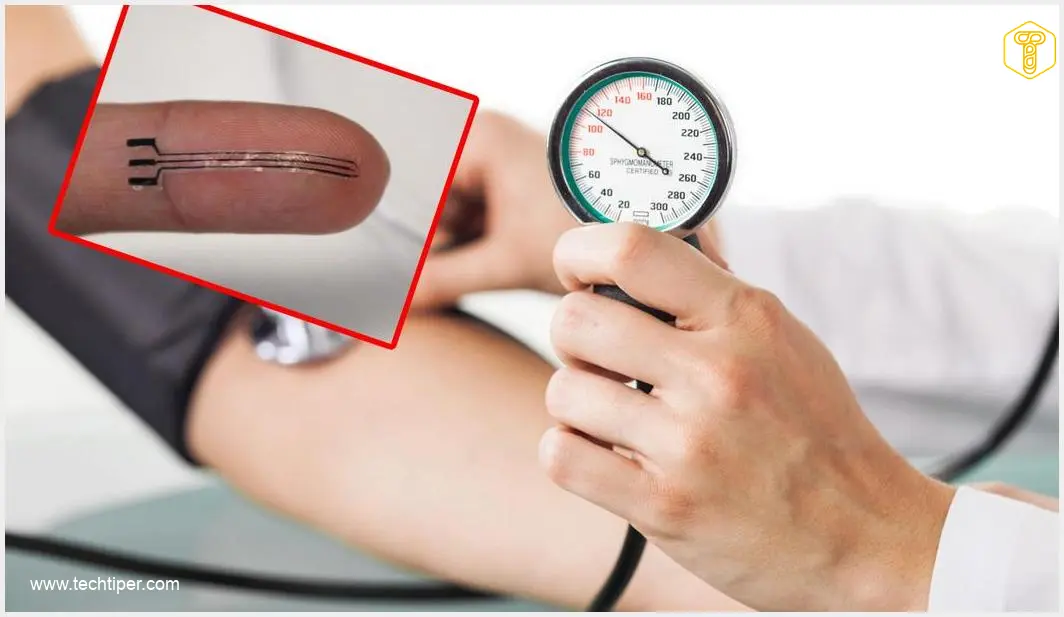
A New Era in Hypertension Treatment: The CaroFlex Bioelectronic Implant
Hypertension, commonly known as high blood pressure, remains a pervasive global health challenge, affecting hundreds of millions of individuals worldwide. While conventional treatments often involve a combination of medications, for many, these approaches prove insufficient or come with undesirable side effects. In a significant development, researchers from Pennsylvania have introduced a highly promising solution: a novel implant designed to effectively manage blood pressure where traditional pharmacotherapy falls short. This innovative device, fabricated from a unique printable, stretchable, and soft material, represents a potential paradigm shift in the fight against chronic hypertension.
Understanding CaroFlex: A 3D-Printed Bioelectronic Solution
The implant, aptly named CaroFlex, is engineered using a specialized hydrogel, granting it the remarkable ability to conduct electrical impulses. This makes it a cutting-edge example of bioelectronics – devices that interface directly with biological systems using electrical signals. Its unique properties, being both 3D-printable and stretchable, allow for precise customization and a gentle interaction with delicate bodily tissues.
How CaroFlex Works
The strategic placement of CaroFlex is crucial to its function. It is designed to be situated within the carotid sinus, a cluster of baroreceptors located in the carotid artery in the neck. This anatomical site plays a vital role in the body’s natural blood pressure regulation system. By delivering precise, controlled electrical signals to this area, CaroFlex aims to effectively counteract and normalize elevated blood pressure, offering a targeted approach to managing hypertension.
Promising Pre-clinical Success: Insights from Rat Studies
Practical demonstrations of CaroFlex’s efficacy emerged from meticulously conducted tests on rats, as highlighted in a report on May 18, 2026. In a procedure mirroring its intended application in humans, the CaroFlex implant was surgically positioned within the carotid sinus of the animal subjects.
A series of five distinct electrical signals were transmitted to the implant over a 10-minute period. A remarkable 80% success rate was observed, with four out of the five signals resulting in a significant 15% reduction in blood pressure. This rapid and substantial reduction underscores the potential of this bioelectronic approach.
Furthermore, follow-up examinations conducted two weeks post-implantation by researchers at Pennsylvania State University confirmed the CaroFlex material’s exceptional durability, showing no signs of damage or degradation. Analysis of the experimental data revealed that both systolic arterial pressure (SAP) and diastolic arterial pressure (DAP) consistently decreased following electrical stimulation. The most pronounced and effective reduction in blood pressure was achieved with a specific frequency of 75 Hz at 3V, indicating a clear optimal operating parameter for the device.
The Path Forward: Towards Human Clinical Trials

The promising pre-clinical results pave the way for the next critical phase: human application. The research team’s immediate tasks involve refining the stability and long-term performance of the CaroFlex implant. Concurrently, efforts are underway to scale up the project, preparing for the pivotal moment when this flexible, bioelectronic material can be safely implanted into the carotid artery sinus of human volunteers.
This crucial step will mark the transition to comprehensive human clinical trials, a prerequisite for eventual regulatory approval and widespread medical adoption. Understanding the rigorous regulatory landscape for such innovative medical devices, including frameworks like those outlined in resources concerning medical device app regulations, will be vital as this technology progresses. Such innovations, alongside advancements in artificial intelligence for medical applications such as AI in hospital discharge summaries, underscore a rapidly evolving healthcare landscape where technology promises to transform patient care.
Frequently Asked Questions (FAQ)
Why is a new solution needed for hypertension when medications already exist?
While many medications are effective, a significant number of individuals do not respond well to existing drug therapies, even combinations of multiple drugs. CaroFlex offers a non-pharmacological, targeted intervention for these patients, potentially reducing the need for multiple medications and their associated side effects.
What makes CaroFlex different from traditional hypertension treatments?
Unlike systemic medications that affect the entire body, CaroFlex is a bioelectronic implant that acts locally by stimulating the carotid sinus to regulate blood pressure. Its 3D-printed, stretchable hydrogel construction allows for precise, direct electrical intervention, offering a novel mechanism of action.
What are the next steps for CaroFlex before it can be used in patients?
Researchers are focusing on stabilizing the implant’s long-term performance and scaling up production. The most critical next step is initiating human clinical trials to thoroughly assess the device’s safety and efficacy in people, which is essential before regulatory approval for widespread use.
Is this CaroFlex technology currently available for patients?
No, CaroFlex is currently in the pre-clinical research phase, with promising results from animal studies. It is not yet available for human use and must undergo rigorous human clinical trials and regulatory approval processes before it can be offered as a medical treatment.
Source: Pennsylvania State University. Opening photo: BillionPhotos / Magnific, Tao Zhou / Pennsylvania State University / press materials, original montage
About Post Author
