

Contents
Microsoft’s Pivotal Shift: The Era of AI Agents Begins
During a recent high-profile conference, Microsoft announced a groundbreaking new initiative: Project Solara. Developed in close collaboration with silicon giant Qualcomm, this ambitious platform is specifically engineered to empower artificial intelligence agents. According to Satya Nadella, CEO of Microsoft, these AI agents are poised to play a pivotal role, fundamentally reshaping the future landscape of computing.
Project Solara: A New Foundation for AI-Driven Experiences
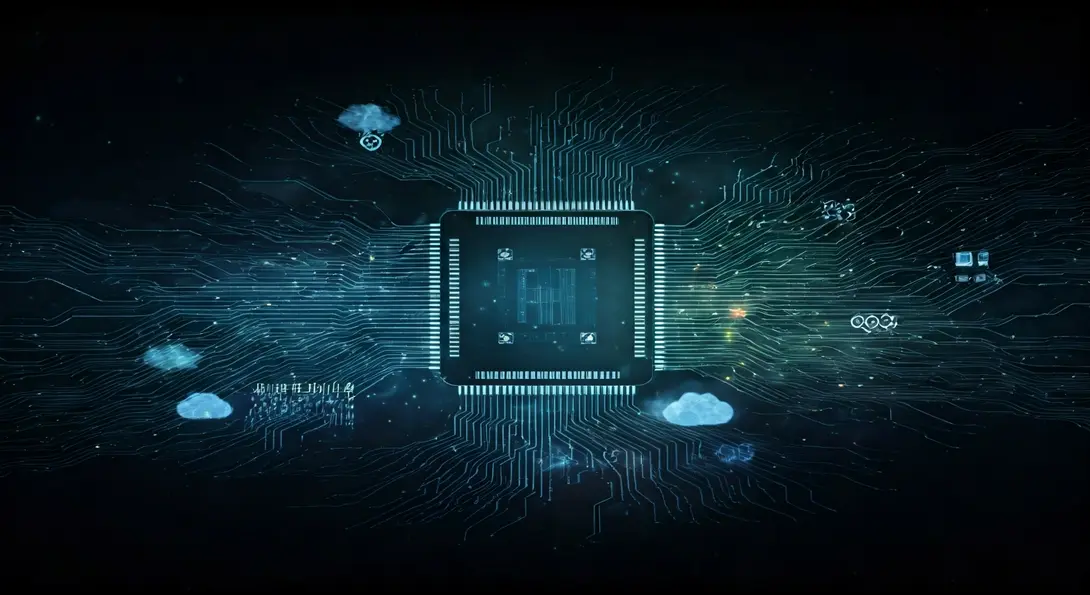
Project Solara represents a significant leap forward, designed as a comprehensive platform for AI agents. It seamlessly integrates advanced silicon, sophisticated software, and robust cloud capabilities. This powerful combination is intended to deliver more personalized, continuously available, and intuitive AI experiences to users worldwide.
Nadella emphasizes that this initiative marks the beginning of a profound transformation, signaling a clear departure from Microsoft’s long-standing operational strategy. He asserts that the traditional operating systems we know today will soon give way to the burgeoning era of AI agents.
“A true platform shift is taking place. We are moving from building operating systems and devices for applications to building agents,” Nadella stated, underscoring the magnitude of this strategic redirection.
This vision suggests a future where intelligent agents anticipate user needs, manage tasks proactively, and interact with the digital world on our behalf, moving beyond mere application launchers.
A Bold Vision Contrasted with Traditional Approaches
Industry observers, including the editorial team at 9to5mac, have noted that Nadella’s statements are remarkably bold. They hint at a computing future vastly different from what was previously envisioned, marking a significant paradigm shift. This strategic pronouncement is particularly intriguing given the context of Apple’s impending WWDC26 event, a major developer conference where Apple typically unveils its latest software innovations.
Historically, Apple has maintained a primary focus on refining its classic software ecosystems, emphasizing enhanced operating systems and robust tools for application development. The tech giant’s approach has largely centered on iterative improvements to its existing platforms. Apple’s next major conference is scheduled to commence on Monday, June 8th, where the industry will keenly watch for their response to this evolving AI landscape. For more on how major tech companies are navigating these changes, see Apple WWDC26: AI Advancements & Breakthrough.
Windows 11 Enhancements: Bridging the Gap to an AI-Centric Future
While Microsoft is making significant strides in AI agent development, the company is not abandoning its core proprietary operating system. For the foreseeable future, Microsoft remains committed to enhancing Windows 11, ensuring it continues to evolve and meet user needs. A recent example of this commitment can be seen in the upcoming improvements to the search functionality within Windows 11.
Previously, Windows 11’s search capabilities could be a source of frustration due to their less intuitive operation, often requiring users to input the exact beginning of a file or application name. This is set to change dramatically with the introduction of the “Search by Substring” feature.
This new option will allow users to search for items by entering any part of their name, significantly improving usability and efficiency. The search will be effective even with as few as two characters, making it much more flexible and user-friendly. These enhancements in Windows 11, though seemingly minor, reflect Microsoft’s ongoing commitment to user experience as it transitions towards a more AI-integrated future. For broader insights into these strategic shifts, you can read more about The AI Revolution: Microsoft Shifts Strategy.

The Future of Computing: Agent-Centric Systems
Microsoft’s Project Solara, powered by the synergy of silicon, software, and cloud, represents a clear direction towards a future where AI agents are not just tools but central to our computing experience. This shift promises a paradigm where technology anticipates our needs, streamlines our digital lives, and offers a level of personalized interaction previously unseen.
Frequently Asked Questions (FAQ)
Project Solara is a new initiative by Microsoft, in partnership with Qualcomm, designed to create a foundational platform for AI agents. It integrates silicon, software, and cloud technologies to deliver more personal and always-on AI experiences.
Microsoft CEO Satya Nadella believes that AI agents will become the core of future computing, eventually making traditional operating systems obsolete. This shift aims to move from building systems for applications to building intelligent agents that proactively assist users.
Project Solara aims for a deeper integration of AI at the platform level, combining hardware (silicon), software, and cloud services to enable more seamless, personalized, and continuously available AI interactions, potentially offering a more integrated experience than current AI tools.
For users, this could mean more intuitive and proactive computing experiences, with AI agents handling tasks and anticipating needs. For developers, it implies a shift from traditional application development to creating and integrating with AI agents, requiring new skills and approaches to software design.
Source: 9to5mac. Opening photo: D K Grove / Shutterstock
About Post Author
