

Contents
Sweden Challenges Tesla’s Full Self-Driving (FSD) Rollout Across the European Union
The journey for Tesla’s Full Self-Driving (FSD) system in Europe has been anything but smooth. After initial reservations from EU regulators, Sweden has now voiced strong, open opposition to the technology in its current form. This stance from the Scandinavian nation could profoundly influence the approval process for autonomous driving regulations throughout the entire European Union.
Sweden Demands Changes to Tesla’s FSD System
Sweden’s local transport authority has formally appealed to the European Union, advocating for the rejection of Tesla’s FSD system for official widespread introduction across the bloc. The primary concern revolves around the system’s ability to allow drivers to easily override and circumvent imposed speed limits.
Authorities in Sweden highlight that Tesla’s FSD permits drivers to set speed limits according to their own preferences. This feature is seen as a glaring violation of existing legal regulations and poses a significant threat to road safety. The core issue is that a system designed for autonomy should not so readily enable a driver to operate a vehicle outside legal speed boundaries, potentially leading to dangerous situations or a lack of accountability.
A Growing Chorus of Opposition in Northern Europe
Interestingly, Sweden is not the first Nordic country to raise alarms about FSD. Both Finland and Norway previously submitted their own observations and concerns regarding the system’s performance. Their feedback specifically addressed critical aspects such as FSD’s functionality and reliability on challenging road conditions, including icy surfaces.
Furthermore, the European Union itself has expressed reservations, adding to the pressure on Tesla to address these widespread concerns before FSD can be broadly approved. The broader discussion around AI regulation in Europe, exemplified by initiatives like the EU AI Act, underscores the continent’s cautious approach to advanced autonomous technologies and their societal impact.
The Road Ahead for FSD in the EU
While Sweden’s objection alone may not be decisive, it could embolden other member states to voice their own doubts and concerns. For the introduction of FSD to be rejected at an EU level, opposition from at least 55% of member states and 65% of the total EU population is required. It’s worth noting that some countries, including Belgium and Lithuania, have already approved the FSD system for use within their national borders.
Broader Challenges for Tesla Beyond FSD Approval
The implementation of FSD on the European continent is not the only issue keeping Tesla’s management awake at night. One of the world’s largest electric vehicle manufacturers was also banking on the rapid development of its robotaxis. However, these autonomous vehicles have reportedly proven to be far from fully developed or refined.
Recent reports detail incidents, such as an autonomous Tesla allegedly accelerating and then driving onto a curb before colliding with a metal fence for unknown reasons. This highlights ongoing safety and reliability concerns that plague the nascent robotaxi industry.
Beyond safety, efficiency is another significant hurdle. Tesla’s robotaxis have also been criticized for being exceptionally slow. One customer reportedly complained that a theoretical 20-minute journey stretched out to an astonishing two hours. These operational challenges underscore the significant technological and regulatory hurdles autonomous ride-hailing services must overcome to become a viable mass-market solution.

These challenges, coupled with broader considerations such as data privacy and security, as seen in discussions around Tesla’s integration with platforms like WeChat in China, illustrate the complex landscape Tesla navigates globally.
Implications for the Future of Autonomous Driving in Europe
The collective concerns from Sweden, other Nordic nations, and the EU itself signal a robust and cautious approach to approving advanced autonomous driving systems. This ongoing scrutiny is crucial for ensuring that these technologies are not only innovative but also safe, reliable, and compliant with local and regional regulations. The outcome of these discussions will undoubtedly set a precedent for the future development and deployment of autonomous vehicles across the European market.
Frequently Asked Questions (FAQ)
Sweden’s primary concern is that Tesla’s FSD system allows drivers to easily set custom speed limits, which could enable them to operate the vehicle in violation of legal speed regulations and compromise road safety.
Yes, both Finland and Norway previously voiced concerns, particularly regarding FSD’s performance and reliability on challenging road conditions, such as icy roads. The European Union regulators have also expressed general reservations.
While not solely decisive, Sweden’s strong opposition could encourage other EU member states to express their doubts, potentially leading to the aggregated opposition required (55% of member states and 65% of the population) to reject FSD’s widespread introduction across the EU.
Tesla is reportedly struggling with the development of its robotaxis, which have been described as “underdeveloped” with incidents like autonomous cars hitting curbs and fences. They have also been criticized for being exceptionally slow, with long journey times.
The ability to easily bypass or set custom speed limits on an autonomous system is a significant safety concern because it could allow a driver to operate the vehicle at illegal and unsafe speeds. This undermines the safety promises of autonomous technology, creates potential for reckless driving, and complicates liability in the event of an accident, as the system is not strictly enforcing legal operating parameters.
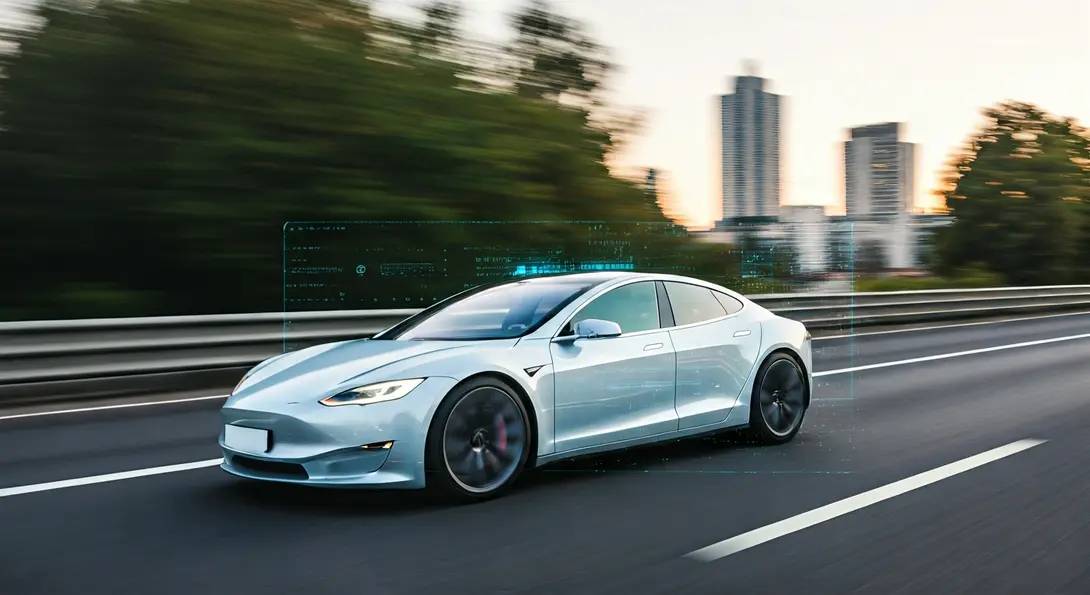
Source: Electrek. Opening photo: RoClickMag / Adobe Stock
About Post Author
