

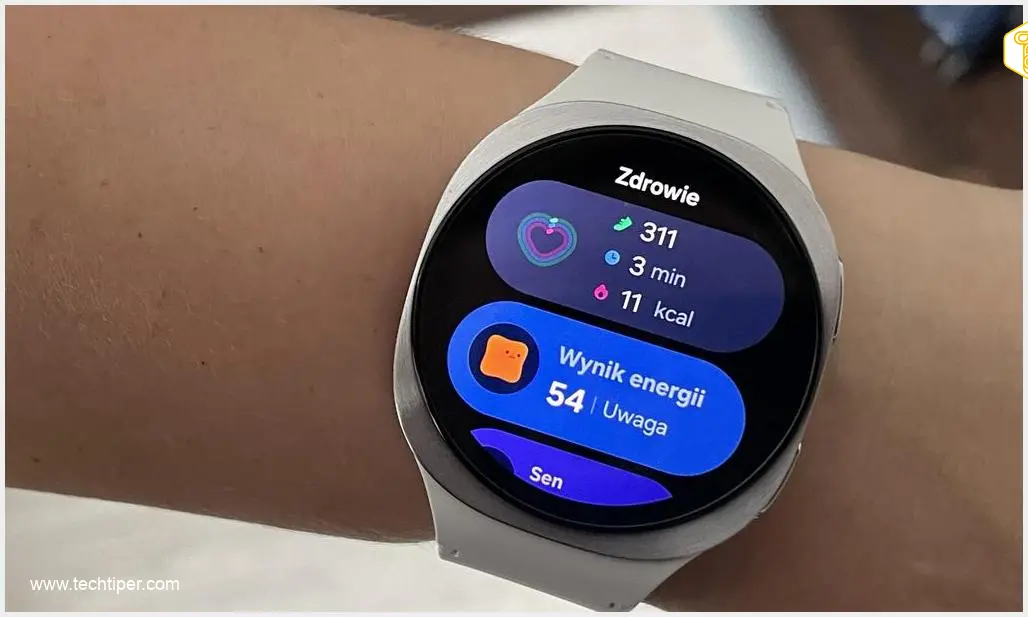
Samsung is leveraging its cutting-edge wearable technology to significantly advance medical research. The tech giant recently announced a strategic partnership with Alcedis, a renowned organization specializing in digital clinical trials. The ambitious goal of this collaboration is to utilize the rich health data collected by Samsung Galaxy Watch devices to accelerate the development of new drugs and therapies, ultimately benefiting millions worldwide.
Contents
Galaxy Watch Enters Clinical Trials: A Game-Changing Partnership
Smartwatches have become ubiquitous, worn by users almost around the clock. This constant presence allows them to record a vast amount of health-related information far beyond what traditional, intermittent check-ups can capture. However, effectively processing and analyzing this extensive data has historically presented a significant challenge for medical research.
Recognizing this potential and the existing hurdles, Samsung has initiated a groundbreaking collaboration with Alcedis. Under this partnership, Samsung will provide access to the invaluable data collected by Galaxy Watch sensors, along with its robust technological infrastructure. In turn, Alcedis will be responsible for the sophisticated analysis of this data, integrating it into clinical trials conducted for the medical and pharmaceutical industries.
How Galaxy Watch Data Will Revolutionize Research
The data points gathered from Samsung Galaxy Watches are comprehensive and diverse, offering researchers unprecedented insights into human health. Key metrics to be utilized in these trials include:
- Bioelectrical Impedance Analysis (BIA): Providing insights into body composition.
- Electrodermal Activity (EDA): Measuring skin conductance, often used to assess stress and emotional responses.
- Sleep Apnea Detection: Monitoring breathing patterns during sleep to identify potential disorders.
- Atrial Fibrillation (AFib) Detection: Tracking heart rhythm irregularities that can indicate serious heart conditions.
This wealth of real-time, continuous data is expected to dramatically streamline the collection of valuable medical information. Project partners emphasize that this approach will reduce the need for frequent patient visits to healthcare facilities, making clinical trials more patient-friendly and efficient. The ability to remotely monitor participants’ health continuously can lead to earlier detection of trends and more accurate assessments of treatment efficacy.
The companies believe that this innovative approach will empower researchers to organize clinical trials more effectively, leading to a faster and more cost-efficient process for developing new medications and treatments. This digital transformation of clinical research holds the promise of accelerating breakthroughs that can improve global health outcomes.
Samsung’s Expanding Commitment to Health Technology
Samsung has been steadily increasing its focus on the health and wellness applications of its devices. Over the past few years, the Galaxy Watch series has continuously gained new features dedicated to monitoring the human body. The tech giant openly states its ambition for smartwatches to play an increasingly pivotal role, not just in everyday health management, but also in professional medical research and diagnostics.
This commitment is likely to expand further. Rumors suggest that Samsung is preparing to launch new models, potentially the Galaxy Watch9 and Galaxy Watch Ultra2, which are anticipated to introduce even more advanced health and fitness monitoring capabilities. Samsung’s dedication to regular updates also ensures existing devices remain at the forefront of health tracking. For instance, users can always refer to guides like the one for Galaxy Watch4 important security update installation guide to keep their devices secure and optimized, supporting reliable data collection.
Frequently Asked Questions (FAQ)
The main objective is to accelerate medical research and the development of new drugs and therapies by utilizing health data collected from Samsung Galaxy Watch devices in digital clinical trials.

The Galaxy Watch will collect data including Bioelectrical Impedance Analysis (BIA) for body composition, Electrodermal Activity (EDA) for stress assessment, and monitoring for conditions like sleep apnea and atrial fibrillation (AFib).
By providing continuous, real-time health data, the partnership aims to make clinical trials more efficient, reduce the need for frequent patient visits to clinics, and ultimately lead to faster and more cost-effective development of new medications and treatments.
Samsung aims for its Galaxy Watch devices to play an increasingly significant role not only in daily personal health management but also in professional medical research, diagnostics, and the broader healthcare ecosystem, continually expanding their health monitoring capabilities.
Source: SamMobile. Opening photo: Jolanta Szczepaniak
About Post Author
