

Contents
The New Era of Online Shopping: How EU Customs Changes are Reshaping Chinese E-commerce
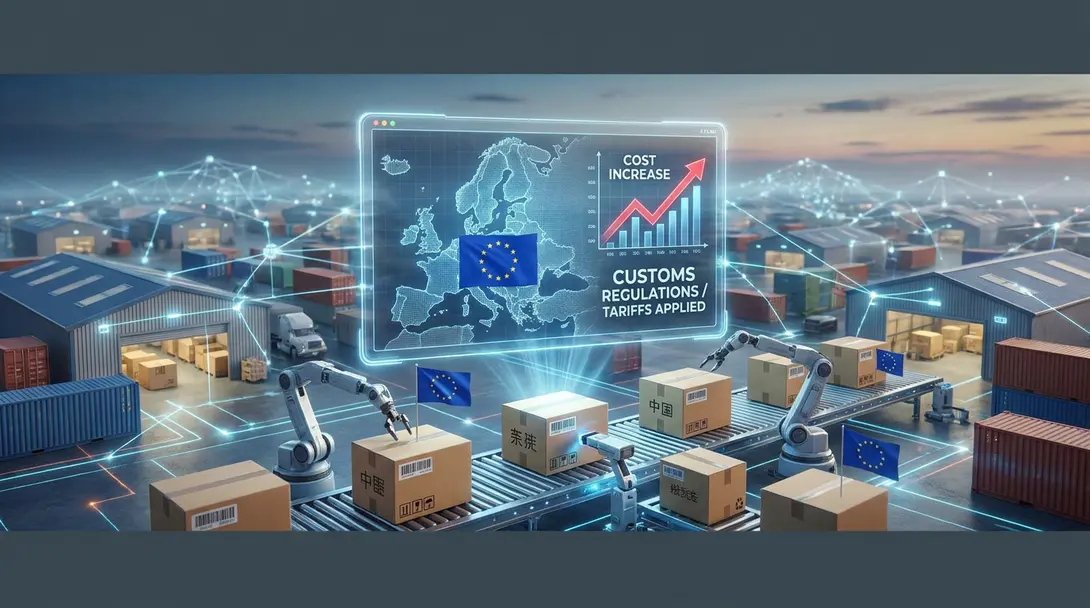
The landscape of online shopping, particularly for goods sourced from China, has undergone a significant transformation. New European Union customs duties on small parcels have directly increased the cost of purchases from popular platforms such as AliExpress, Temu, and Shein. Early data indicates that these Chinese e-commerce giants are actively seeking ways to optimize their operations in response to these unfavorable changes. This shift isn’t just about pricing strategies; it’s fundamentally altering their approach to logistics and supply chain management. Ultimately, consumers will bear the final cost.
What Exactly Changed on July 1, 2026?
As of July 1, 2026, the European Union implemented new customs regulations that have a profound impact on cross-border e-commerce. Previously, the EU offered a customs relief or “de minimis” threshold for shipments valued under 150 euros (approximately 160 US dollars). This meant that many small, inexpensive packages could enter the EU without incurring customs duties.
The new rules abolish this relief and introduce a temporary flat fee of 3 euros (around 3.20 US dollars) for each tariff item within a package up to this value. Crucially, this fee is applied “per type of goods.” This means a package containing several different product categories could quickly accumulate multiple 3-euro charges. This temporary mechanism is set to remain in place until July 1, 2028, when a more permanent system of customs duties will replace it.
This policy change was designed to close a significant tax loophole previously exploited by platforms like Shein, Temu, and AliExpress. This loophole allowed individual orders under 150 euros to be shipped duty-free, effectively enabling these platforms to bypass up to 12% of due customs duties. This practice artificially suppressed prices and generated billions in untaxed revenue from cross-border trade.
It’s clear that these new regulations primarily target direct-to-consumer (D2C) shipments from China, including platforms like AliExpress and smaller dropshipping businesses. In contrast, the impact on traditional business-to-business (B2B) wholesale imports is less severe, as duties for bulk shipments are already spread across larger volumes of goods.
Chinese Platforms Adjust Pricing Strategies
An analysis conducted by whenUbuy and Univio reveals that within the first week of the new regulations, average purchase costs on Temu, Shein, and AliExpress had already increased compared to real transaction prices from the first half of 2026. While the extent of these price hikes might be somewhat understated by the fact that historical prices were often reduced by coupons and promotions, the overall increase is undeniable. Each platform is navigating this situation with slightly different tactics, primarily concerning where the new duty is hidden and at what point in the purchasing journey it is revealed to the customer.
- Temu: This platform largely maintains the attractiveness of its listed product prices. The additional costs primarily appear in the shopping cart as a separate fee added during the final checkout stage. This strategy delays the “feeling” of the price increase until the very end of the purchasing process. From a conversion and marketing perspective, Temu aims to win customers at the initial touchpoint, even though the final bill now includes the new levy.
- AliExpress: Adopting an inverse approach, AliExpress integrates a significant portion of the new costs directly into product prices. This makes the price increase visible earlier, during the product browsing stage. However, customers are less likely to experience “price shock” only upon reaching the shopping cart. The platform’s communication increasingly highlights offers where the price includes duties and VAT, aiming to build an impression of transparency regarding the total purchase cost.
- Shein: Shein employs a hybrid solution. Part of the cost is incorporated into the product’s price, while another portion is added as an import fee within the shopping cart. For customers, this means both higher product prices and additional cost items visible at the payment stage.
These varied strategies underscore the platforms’ efforts to manage consumer perception and maintain competitiveness amidst rising costs. For more context on how these platforms are affecting the retail landscape, you can read about the price war Shein and Temu threaten retailers across Europe.
Supply Chain Shifts: Bringing Logistics Closer to Consumers
The new customs duties were specifically designed to disrupt the model of direct shipments from Asia, which relied on billions of inexpensive, small parcels that previously crossed borders with minimal or no duties. However, Chinese platforms are not abandoning the European market. Instead, their response involves rapidly accelerating the establishment of warehouses and fulfillment centers within the EU.
These European hubs are designed to handle individual shipments to the end customer. The bulk deliveries to these hubs are processed as B2B imports, which allows the customs costs to be spread across larger volumes of goods, significantly reducing the per-item impact. This strategy also has the added benefit of shortening delivery times within Europe, enhancing the overall customer experience.

A notable side effect of this customs reform has been a surge in demand for warehouse space across the EU. This strategic pivot is gradually relocating value-added services—from order fulfillment to employment opportunities—from Asian logistics hubs to European distribution centers.
Countries within the EU are poised to benefit significantly from this shift. For instance, AliExpress is actively seeking warehousing partners in various EU nations, including Poland and the Czech Republic. Similarly, Shein is constructing a substantial logistics center near Wrocław, Poland, which is intended to serve a considerable portion of orders in Central and Eastern Europe. This move exemplifies the consolidation of the supply chain closer to the end consumer, signaling a long-term strategic investment in the European market. For more on e-commerce developments in the region, explore Allegro’s new competitor, Onbuy, and e-commerce expansion.
Frequently Asked Questions (FAQ)
The “de minimis” threshold was a customs relief that allowed packages valued under 150 euros to enter the EU without incurring customs duties. The EU removed it to close a tax loophole that allowed e-commerce platforms to avoid paying duties, thus ensuring fair competition and generating proper tax revenue.
The new duties, including a temporary 3-euro fee per tariff item, directly increase the cost of products. Platforms are implementing different strategies: Temu often adds the cost at checkout, AliExpress integrates it into product prices, and Shein uses a hybrid approach. Regardless, the final price paid by consumers is higher.
To mitigate the impact of direct shipping duties from Asia, platforms are rapidly building warehouses and fulfillment centers within the EU. This allows them to import goods in bulk (B2B), spread duty costs, and then ship individual orders to customers from within the EU, shortening delivery times and improving efficiency.
While the initial impact has been an increase in prices, the long-term effect is complex. The new duties force platforms to absorb costs or pass them to consumers. However, the shift to EU-based logistics might optimize other costs like shipping times and potentially lead to more stable, albeit higher, pricing compared to the past. Consumers should expect that the era of “artificially” low prices, enabled by duty avoidance, is likely over.
Source: Euronews, X, Europa.eu, press release whenUbuy and Univio, Reddit. Opening photo: Gemini
About Post Author
