Contents
realme Embraces ColorOS: A Strategic Shift for Software Development
In a significant strategic move, realme India has officially announced it is discontinuing the development of its custom Android overlay, realme UI, in favor of adopting OPPO’s ColorOS. This pivotal decision aims to streamline the software update process significantly and reduce the company’s operational costs, ensuring a more unified and efficient software experience for users.
realme India Confirms Transition to ColorOS
Representatives from realme India have officially confirmed to GSMArena that all upcoming realme smartphones will launch with ColorOS 17 pre-installed. This marks a definitive end to the company’s efforts in developing and maintaining its proprietary realme UI. The primary motivations behind this transition are to simplify the release of software updates and optimize research and development costs.
The Evolving Landscape of Smartphone Brands
The current landscape among smartphone manufacturers is dynamic. While reports indicated OnePlus was scaling back its presence in certain regions, focusing on others, realme is making its own strategic adjustments. OPPO, which has long been a stable force in the market, appears to be maintaining its trajectory. This consolidation and realignment of strategies are key trends to observe in the competitive tech industry. For more insights into related brands, you might be interested in the anticipated launch of the OPPO Find X9 Ultra.
What This Means for Users
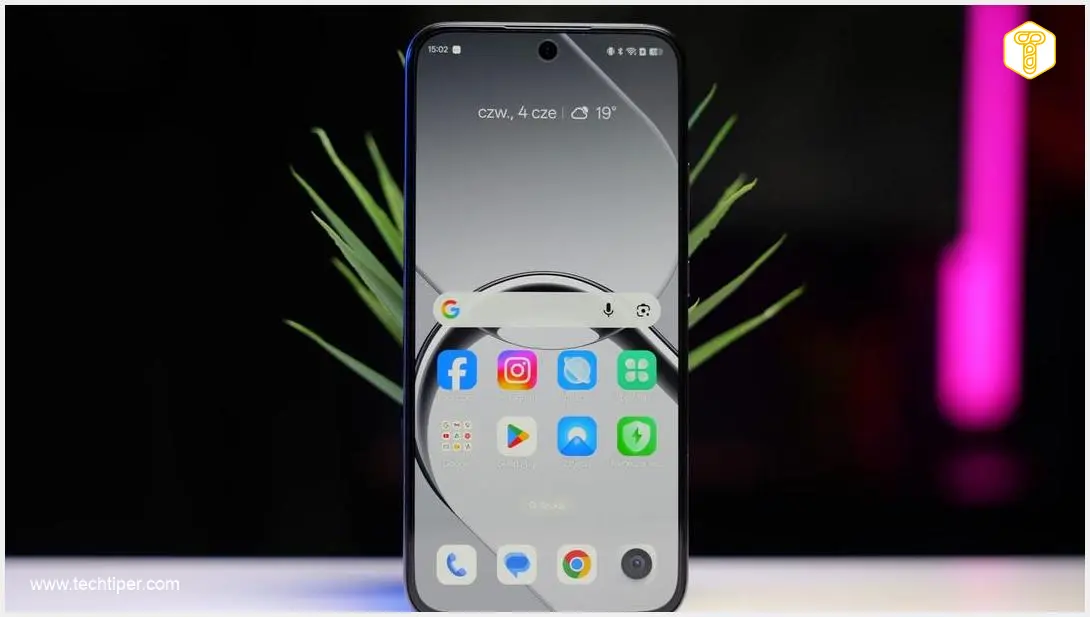
For the average realme smartphone owner, this change is not expected to bring a radical visual overhaul. ColorOS, realme UI, and OnePlus’s OxygenOS are often referred to as “twin software” due to their shared underlying architecture and largely similar graphical interfaces. Users who appreciate realme’s performance, perhaps even considering the camera capabilities of models like the realme 16 Pro 5G, will find the transition seamless in terms of aesthetics.
However, the real benefits lie in software efficiency:
- Improved Update Speed: The unification with ColorOS is anticipated to accelerate the delivery of software updates, including security patches and new Android versions. This is a return to realme’s origins, as its first phones before 2020 also shipped with ColorOS.
- Consistency Across Devices: This new policy will also extend to older, currently supported models. For instance, a flagship device like last year’s realme GT 8 Pro, which debuted with realme UI 7.0, is now expected to receive ColorOS 17 instead of a subsequent realme UI iteration.
Global Unification on the Horizon?
While this strategic shift currently pertains specifically to the Indian market, it is widely believed that a global unification of software across realme devices is only a matter of time. This move could signal a broader strategy to streamline realme’s global operations and offer a consistent user experience worldwide.
Frequently Asked Questions (FAQ)
realme is making this switch primarily to simplify the software update process, optimize research and development costs, and potentially offer a more consistent user experience.
Yes, for models that are still under official support, such as last year’s flagship realme GT 8 Pro, future software updates are expected to transition to ColorOS instead of new realme UI versions.
Visually, the change is expected to be minimal as ColorOS, realme UI, and OxygenOS share many similarities. The primary benefit for users should be faster and more consistent software updates and security patches.

Initially, this strategic change has been confirmed for the Indian market. However, industry observers anticipate that a global unification of realme’s software with ColorOS is likely to follow.
The main benefit for users is the expectation of more streamlined, faster, and more reliable software updates, including essential security patches and new Android versions.
Source: GSMArena, Original article. Opening photo: Krzysztof Wilamowski
About Post Author