

Contents
Over-the-Air Updates: Convenience vs. Cybersecurity Risks in Modern Vehicles
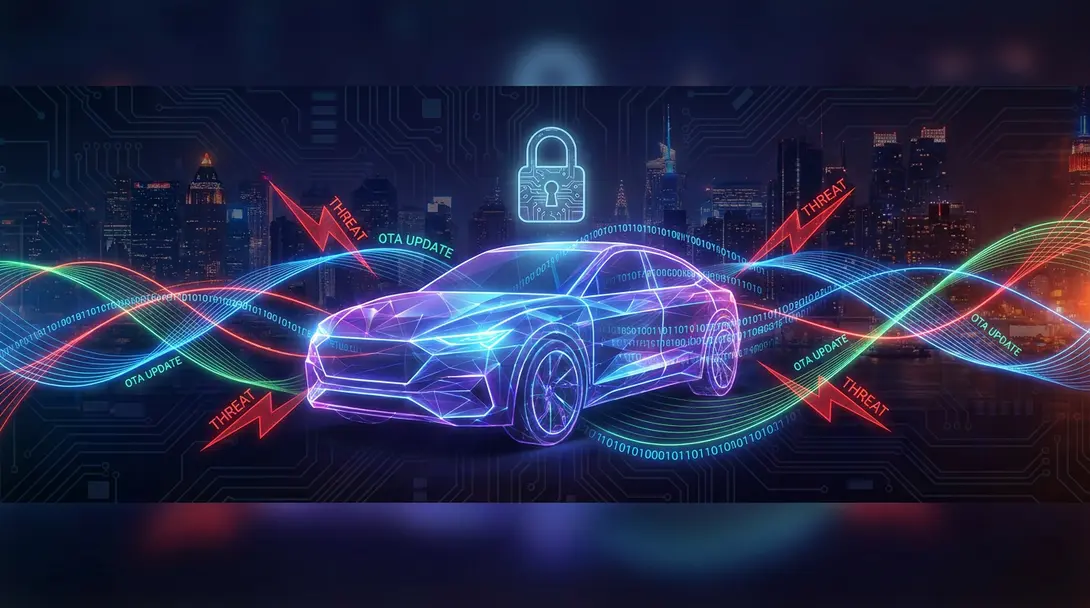
The growing popularity of remote software updates in cars makes it easier for manufacturers to develop and fix vehicles without requiring a service visit. However, an increasing number of experts warn that this convenience could simultaneously open new avenues for cybercriminals and pose significant challenges to national security.
How Over-the-Air (OTA) Technology is Transforming Vehicles
Over-the-Air (OTA) technology, which involves wirelessly delivering software updates, has become a cornerstone of modern automotive design. It allows manufacturers to remotely install patches, introduce new features, and update systems without drivers needing to bring their vehicles to a service center. This solution was popularized by Tesla, which began implementing such updates in its vehicles over a decade ago. Today, most major manufacturers have adopted this approach, making vehicles more connected and adaptable than ever before.
Emerging Threats and National Security Implications
Despite the undeniable benefits, cybersecurity specialists are increasingly highlighting that the expanding use of OTA also significantly enlarges the potential attack surface for malicious actors. This issue extends beyond private cars to encompass the broader transportation infrastructure, whose smooth operation is vital for national security. Analysts emphasize that beyond personal data protection, there is a tangible risk of hostile entities attempting to interfere with vehicle operations. This concern has led several nations to view remote updates not only through the lens of cybersecurity but also as a critical matter of national security.
The potential for state-sponsored cyberattacks to disrupt critical infrastructure, including transportation networks, is a growing concern. Such incidents could have far-reaching economic and social consequences. For instance, the escalating tensions in geopolitical hotspots often involve threats of cyber warfare targeting critical digital infrastructure. The capabilities demonstrated by countries engaged in digital warfare underscore the need for robust defenses in all interconnected systems.
Governmental Responses and Recommendations
In various countries, recommendations are emerging to tighten control over components and software used in vehicles. Experts suggest more thorough security audits, greater transparency regarding collected data, and restrictions on selected foreign technologies. These measures aim to mitigate risks associated with supply chain vulnerabilities and potential backdoors in vehicle systems.
Tests Reveal Potential Vulnerabilities
Additional concerns have been raised by the results of tests conducted by entities such as the Norwegian public transport operator Ruter. During an analysis of two buses, researchers discovered the possibility of gaining access to certain systems responsible for power supply and vehicle operation via the mobile network. In theory, this could allow the manufacturer — or a malicious actor exploiting the vulnerability — to remotely disable the bus, potentially causing significant disruption and safety hazards.
Beyond Automotive: The Broad Reach of OTA and the Need for Stricter Standards
Remote updates are increasingly utilized beyond the automotive sector. They are being integrated into railways, maritime transport, aviation (especially drones), industrial machinery, and robotics. As the number of connected devices continues to grow exponentially, experts are calling for the implementation of more rigorous security standards and more effective oversight of how these systems are deployed. Establishing robust regulatory frameworks and international cooperation is essential to safeguard these interconnected critical infrastructures from evolving cyber threats.
Frequently Asked Questions (FAQ)
OTA updates offer significant convenience by allowing vehicle manufacturers to remotely install software patches, introduce new features, and update existing systems without the need for drivers to visit a service center. This streamlines maintenance, enhances vehicle capabilities, and allows for rapid deployment of security fixes.
Beyond individual vehicle security, the widespread adoption of OTA technology creates a larger attack surface that can be exploited by hostile entities or state-sponsored actors. Interference with a nation’s transportation infrastructure, such as remotely disabling public transport or private vehicles, could have severe economic, social, and strategic consequences, making it a national security concern.

Experts recommend a multi-faceted approach, including more stringent security audits of vehicle components and software, greater transparency from manufacturers regarding data collection and handling, and, in some cases, restrictions on the use of technology from specific foreign suppliers to mitigate supply chain risks. Stricter industry-wide security standards and regulatory oversight are also crucial.
Source: CNBC, own elaboration. Opening photo: Gemini
About Post Author
