Contents
Samsung Galaxy S27 Ultra to Miss Out on Key Camera Innovation
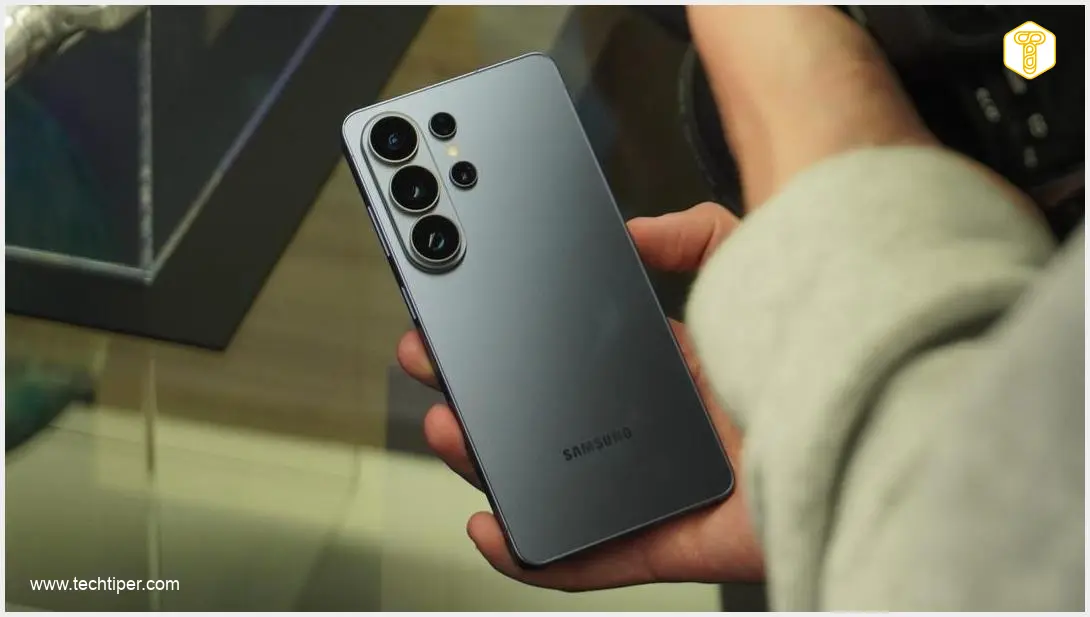
Anticipation is building for the next generation of flagship smartphones, but it appears the Samsung Galaxy S27 Ultra may be scaling back on some expected camera advancements. According to recent reports, Samsung has opted to cut a highly anticipated variable aperture camera feature from its upcoming premium device, a significant shift from earlier plans.
This decision, coming well before the phone’s official debut, indicates a strategic re-evaluation by the Korean tech giant, primarily driven by concerns over escalating production costs and potential design compromises.
Variable Aperture: A Returning Feature, Almost
For many mobile photography enthusiasts, the news comes as a surprise, especially since the variable aperture isn’t entirely new to Samsung’s lineage. This innovative camera mode was reportedly set to make a comeback, offering users greater creative control over their smartphone photography.
A Look Back: The Galaxy S9+ and Its Pioneering Camera
Interestingly, a variable aperture was a standout feature on a previous Samsung device: the Galaxy S9+, launched all the way back in 2018. This phone allowed users to manually switch between two aperture settings (f/1.5 and f/2.4) to control the amount of light entering the lens, providing a more versatile shooting experience. Considering we are now well past that era, the reintroduction of such a feature on the Galaxy S27 Ultra would have been a significant technological leap for current smartphone camera systems.
Why the Change of Plans for the S27 Ultra?
Korean media outlet ET News reports that Samsung initially considered bringing back the variable aperture for the Galaxy S27 Ultra partly because its rival, Apple, was rumored to be planning a similar “new” feature for its upcoming iPhone 18 series. This suggests a competitive drive behind the initial inclusion plans.
The Cost-Benefit Conundrum
However, these plans were ultimately abandoned. The primary reasons cited for this reversal are “higher production costs and thicker cameras.” Integrating a mechanical variable aperture mechanism adds complexity and bulk to the camera module, directly impacting the phone’s manufacturing expenses and overall design aesthetics. With flagship smartphone prices already at a premium, Samsung seems hesitant to add features that might push costs even higher or make the device significantly thicker.
The pursuit of thinner designs and competitive pricing continues to be a balancing act for manufacturers. For instance, reports suggest potential design changes for Apple’s next-gen devices, including an iPhone 18 Pro with a smaller Dynamic Island, indicating that all major players are constantly refining their approaches to innovation and form factor.
Understanding Variable Aperture in Smartphone Photography
So, what exactly is a variable aperture, and why is it considered a valuable tool for photography? In essence, a variable aperture allows the camera’s lens opening (the aperture) to physically change in size. This mechanism:
- Controls Light Intake: A wider aperture (smaller f-number) lets in more light, ideal for low-light conditions and creating a shallow depth of field (blurred background). A narrower aperture (larger f-number) lets in less light, suitable for bright conditions and ensuring more of the scene is in focus.
- Enhances Image Quality: By adjusting the aperture, photographers can achieve better exposure without solely relying on ISO (which can introduce noise) or shutter speed (which can cause motion blur).
- Offers Creative Control: It gives users an additional tool beyond digital adjustments to fine-tune their shots, particularly beneficial for those who enjoy manual photography settings.
For a phone like the Galaxy S9+, this was a fascinating hardware addition. A small, physical shutter expanded or contracted in front of the lens, directly influencing the light reaching the sensor. Given the significant advancements in smartphone camera technology since 2018, a modern implementation of this feature would likely have been met with great enthusiasm, offering even greater possibilities for image capture.

The Future of Smartphone Cameras and Flagship Pricing
While the absence of variable aperture might disappoint some, it highlights the ongoing challenges in smartphone design and production. Manufacturers constantly weigh innovative features against practical constraints like cost, device thickness, and battery life. Samsung continues to invest heavily in camera technology, with developments such as One UI 9 based on Android 17 already in development for future devices, hinting at other software and hardware enhancements to come.
Ultimately, the decision reflects a complex trade-off. While a variable aperture would undoubtedly enhance photographic capabilities, its omission underscores the intense pressure on Samsung to manage costs and maintain competitive pricing for its flagship devices in an increasingly saturated market.
Frequently Asked Questions (FAQ)
A variable aperture allows the physical opening of the camera lens to change size, controlling how much light enters the sensor. This feature helps photographers achieve better exposure in various lighting conditions and create different depth-of-field effects (e.g., blurred backgrounds).
Reports suggest that Samsung decided against including variable aperture in the Galaxy S27 Ultra primarily due to higher production costs and the increased thickness it would add to the camera module. Maintaining a slim design and managing manufacturing expenses are crucial factors for flagship smartphones.
The Samsung Galaxy S9+, released in 2018, was one of the notable Samsung smartphones to feature a variable aperture camera. It allowed users to switch between f/1.5 and f/2.4 aperture settings.
While modern smartphone cameras excel with advanced computational photography, a physical variable aperture offers a unique level of manual control over light and depth of field that software alone cannot fully replicate. Its absence means users will rely more on digital adjustments and computational enhancements for varying lighting scenarios and artistic effects, potentially limiting some aspects of creative photography.
Source: ET News / 9 to 5 Google. Opening photo: Krzysztof Rojek
About Post Author