

Contents
AI Cameras Peer Inside Vehicles
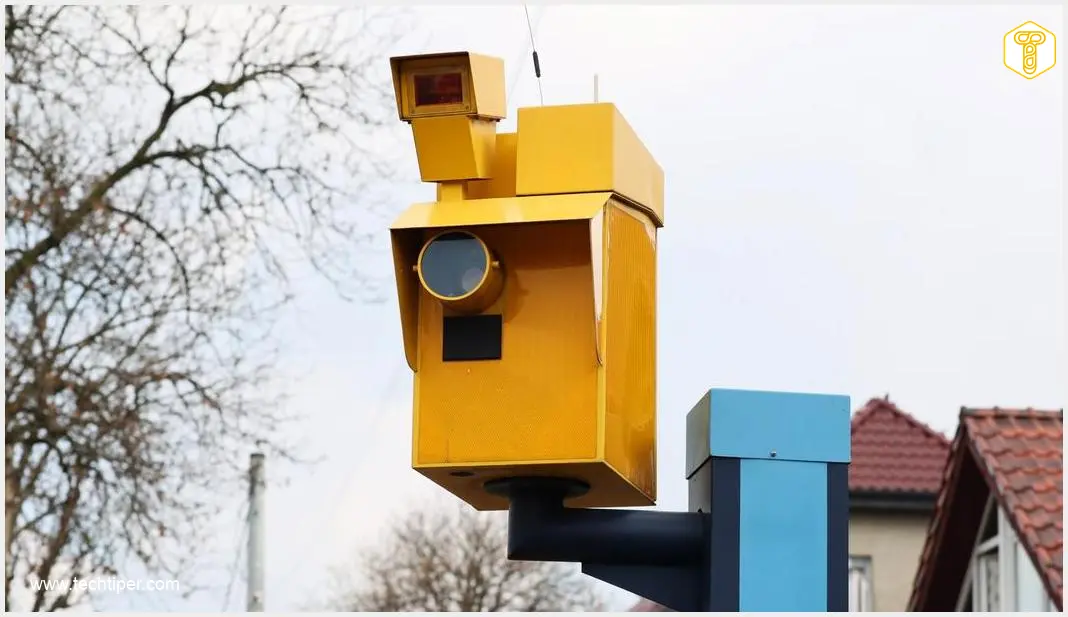
Traditional speed cameras are undergoing a significant transformation. Modern traffic enforcement devices now employ artificial intelligence (AI) to do more than just measure vehicle speed. These sophisticated systems can capture detailed images of passing vehicles, including views of the front seats and license plates, allowing them to identify a range of driver infractions beyond simple speeding.
For instance, AI-powered cameras are capable of detecting drivers distracted by mobile phones or those not wearing seatbelts. The AI image analysis technology is advanced enough to recognize a driver’s posture, hand positions, and objects held between fingers – even through car windows and at high speeds. This cutting-edge capability leverages similar technology used in visual search, facial recognition, and autonomous driving systems.
For example, a camera integrated into the TraffiStar SR390 speed camera system can accurately identify unbuckled seatbelts and detect mobile phone use. While the technology is highly effective at identifying potential violations, a crucial ethical question arises: Should AI solely determine if an infraction has occurred? Many experts agree that while AI can flag potential issues, the final decision regarding a penalty should always involve human verification, preventing automated fines based purely on AI analysis. Furthermore, the integration of AI in these systems highlights the growing role of advanced computing in everyday life, from traffic management to AI voice assistants and camera functionalities in mobile devices.
Australia Leads the Way in Traffic Enforcement Innovation
Australia has emerged as a key testing ground for these advanced traffic enforcement technologies. In Western Australia, safety cameras have been integrated to monitor not only speed but also mobile phone use and seatbelt compliance. Data released by regional authorities indicates impressive results since the system’s launch in February 2025. The number of detected seatbelt violations has plummeted by over 85%, and mobile phone offenses saw an even greater reduction of 88%. Speed limit adherence also improved significantly, by 51%.
The dangers of distracted driving are well-documented. Holding a mobile phone diverts a driver’s attention, dramatically increasing accident risk. Similarly, unfastened seatbelts severely magnify the consequences in the event of a collision. Authorities in Queensland highlight that using a mobile phone while driving is associated with a four-fold increased risk of an accident, and driver distraction contributes to nearly 20% of serious injuries on the state’s roads.
The primary goal of automated enforcement is deterrence. Drivers are unaware of the exact locations and operational times of these active cameras, creating a pervasive sense of monitoring. Furthermore, this method of enforcement does not require a physical traffic stop by law enforcement, streamlining the process and allowing police resources to be allocated more efficiently.
Advanced AI Traffic Enforcement Reaches Europe
The adoption of advanced AI traffic enforcement systems is not limited to Australia; this technology has already made its way to Europe.
- United Kingdom: Systems from companies like Acusensus are undergoing trials, designed to analyze driver behavior and detect signs of impairment, mobile phone use, and unbuckled seatbelts.
- Germany and Netherlands: Countries such as Germany (on motorways A60 and A61) and the Netherlands have implemented MONOcam systems. These cameras automatically photograph drivers using their phones or looking at their smartphone screens while driving.
Similar advanced traffic monitoring capabilities are already active in some European countries, capable of simultaneously monitoring multiple lanes of traffic. These systems can detect violations such as unauthorized use of bus lanes or insufficient distance between vehicles.
According to available reports, comprehensive traffic monitoring systems can include hundreds of fixed-point speed cameras, average speed enforcement devices, and red-light cameras at intersections and railway crossings. All detected incidents and images are typically recorded and transmitted in real-time to a central processing center for review and further action.

What Do Advanced Speed Cameras Monitor?
Globally, various sophisticated traffic monitoring devices are in use. These include models like MESTA Fusion RN, MultaRadar CD, UnicamVELOCITY3, and NeuroCar 3 Terminal RL, among others.
For instance, the MESTA Fusion RN, manufactured by the French company IDEMIA, is a highly advanced system. It can simultaneously monitor up to 32 vehicles across a 22-meter wide road. Equipped with Automatic Number Plate Recognition (ANPR), its additional functionalities allow it to detect illegal overtaking maneuvers and measure distances between vehicles. This comprehensive monitoring enhances traffic safety and compliance.
Another powerful system is Jenoptik’s TraffiStar SR390. This camera can track up to 6 lanes of traffic concurrently, automatically classify vehicle types (e.g., passenger car, heavy goods vehicle), read license plates (ANPR), and operate effectively in challenging lighting conditions. Beyond speed enforcement, it can also detect red-light violations and vehicles driving against the flow of traffic.
Significantly, Jenoptik also offers an AI camera system specifically designed to detect drivers using mobile phones and those not wearing seatbelts. This system is currently being tested in locations such as an intersection in Plymouth, UK. It’s crucial to note that this AI system does not automatically issue fines. Instead, every potential infraction is subject to human verification. Only after this human confirmation is a driver notified of their improper road behavior. This approach ensures accuracy and addresses concerns about AI’s role in enforcement.
Despite the advanced capabilities of these cameras, the implementation of automated fines for seatbelt violations or mobile phone use based solely on camera evidence is not yet universally permitted by current regulations. In many regions, speed cameras are primarily utilized for speed enforcement, even though their technological potential extends far beyond this. The systems can detect and record these additional infractions, but the legal framework for automated penalties is still evolving. Nevertheless, the technological barrier has been overcome, and it is highly probable that the scope of such systems will expand in the future, leading to more comprehensive traffic law enforcement.
Frequently Asked Questions (FAQ)
AI cameras utilize sophisticated image analysis powered by artificial intelligence. They can recognize driver posture, hand positions, and objects held between fingers, even through vehicle windows and at high speeds. This technology is similar to that used in facial recognition and autonomous driving.
While AI cameras can detect potential infractions, in many regions, they do not automatically issue tickets. Often, potential violations are first reviewed and verified by a human operator before any notification or penalty is issued, ensuring accuracy and legal compliance.
These systems are being tested and implemented in various locations globally. Australia has been a significant testing ground, showing promising results in reducing violations. European countries like the United Kingdom, Germany, and the Netherlands are also adopting and trialing similar technologies.
AI traffic cameras contribute significantly to road safety by deterring common dangerous behaviors such as distracted driving (mobile phone use) and failing to wear seatbelts. By increasing the perceived risk of detection, they encourage greater compliance with traffic laws, leading to a reduction in accidents and serious injuries.
Source: Autokult, General Inspectorate of Road Transport, Automatic Road Traffic Supervision Center, Auto-Swiat, Sprint, Acusensus, Government of Western Australia.
Opening photo: FotoDax / Adobe Stock
About Post Author
