Contents
Galaxy S27 Ultra Battery Rumors: A Step Backwards or a Strategic Shift?
For years, Samsung has maintained a relatively consistent and often conservative approach to smartphone battery capacities and charging speeds. This strategy has generally ensured reliability, but recent leaks concerning the upcoming Galaxy S27 Ultra suggest a potential shift that might disappoint some users.
Reports are circulating that the highly anticipated Galaxy S27 Ultra, expected to launch in early 2027, might not feature the previously rumored 7000 mAh battery. Instead, the device could ship with a significantly smaller battery, sparking discussions about Samsung’s priorities for its next-generation flagship.
The Diminishing Battery Capacity
This isn’t the first time whispers have emerged about Samsung potentially scaling back ambitions for the Galaxy S27 Ultra. However, recent information provides more concrete details regarding its battery specifications.
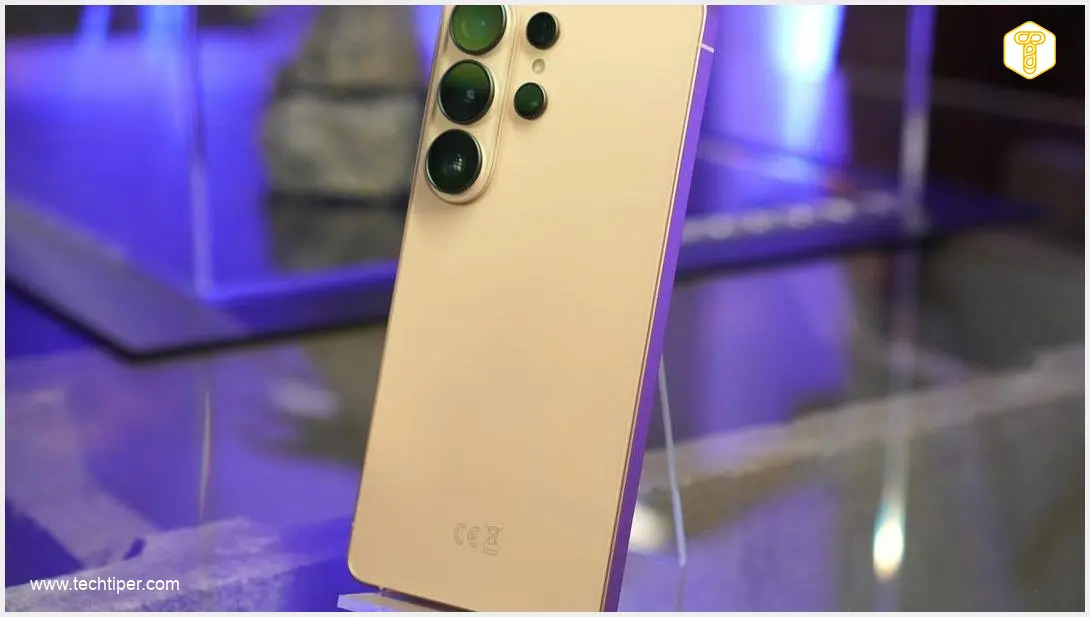
According to leakster “kro” on the platform X, Samsung appears to be moving away from the robust 7000 mAh cell. The current development points towards a battery capacity in the range of 5700-6000 mAh. This potential reduction comes alongside persistent rumors of an iPhone-like camera arrangement for the device, suggesting a broader design re-evaluation.
I checked again earlier, and that design is indeed correct. The battery is currently being developed in the 5,700–6,000mAh range. The downside of using a silicon-carbon anode is that its battery lifespan can be lower than that of a conventional lithium-ion battery, so they’re… pic.twitter.com/Fmldu8Z95z
— kro (@kro_roe) August 26, 2026
While a 5700-6000 mAh battery might seem smaller than initial expectations, it would still represent a notable upgrade from the 5000 mAh found in its predecessor, the Galaxy S26 Ultra. For context, many flagship smartphones currently offer batteries in the 4500-5000 mAh range, so a 5700-6000 mAh capacity would still place the S27 Ultra among devices with superior battery life.
The Promise and Challenge of Carbon-Silicon Anode Batteries
The rumored battery for the Galaxy S27 Ultra is expected to be a carbon-silicon (also known as silicon-carbon anode) battery. This advanced battery technology is known for its higher energy density compared to traditional lithium-ion batteries, meaning it can store more power in a smaller volume. However, there are significant trade-offs:
- Lifespan Concerns: As mentioned by “kro”, silicon-carbon anode batteries can have a shorter overall lifespan than conventional lithium-ion batteries due to degradation over charge cycles.
- Optimization Challenges: Samsung is reportedly working to extend the battery’s operating time per charge, indicating that current performance might not yet meet expectations, especially when compared to the established reliability of lithium-ion technology.
These challenges highlight why manufacturers often take a cautious approach with new battery chemistries. Balancing energy density with durability and safety is crucial for a flagship device.
The S Pen Dilemma
Intriguingly, initial prototypes for the Galaxy S27 Ultra reportedly featured a larger 7000 mAh battery. However, achieving this capacity came at a significant cost: the complete removal of the S Pen stylus. This reveals a critical design choice Samsung faced. The S Pen, a hallmark feature of the Ultra series, occupies valuable internal space. Sacrificing it for a larger battery likely posed a dilemma for Samsung, weighing user expectations against technological possibilities.
The potential user reaction to such a trade-off is a major consideration. Many users value the S Pen for productivity and creativity, making its removal a controversial decision. Ultimately, Samsung seems to have prioritized the S Pen’s integration over maximum battery capacity.

What to Expect from the Galaxy S27 Ultra
As development of the Galaxy S27 Ultra continues, more official information is awaited. It’s possible that the performance of carbon-silicon batteries may not fully satisfy Samsung’s requirements. In such a scenario, the company might revert to a proven lithium-ion variant even in early 2027, potentially influencing the final battery capacity.
Flagship smartphones like the Galaxy S27 Ultra are typically premium devices, and consumers expect top-tier performance in all aspects, including battery life. Samsung’s final decision will undoubtedly reflect a careful balance between innovation, cost, user experience, and market competitiveness.
Frequently Asked Questions (FAQ)
Samsung is reportedly exploring advanced carbon-silicon anode batteries, which offer higher energy density but might face challenges with lifespan and current optimization, leading them to target a capacity between 5700-6000 mAh instead of a larger 7000 mAh cell.
Carbon-silicon anode batteries can store more energy in a smaller space (higher energy density) compared to traditional lithium-ion batteries. However, a potential disadvantage is a shorter overall battery lifespan due to faster degradation over charging cycles.
A 7000 mAh prototype reportedly existed, but it required sacrificing the S Pen. While the current focus is on a 5700-6000 mAh carbon-silicon battery, Samsung might revert to a lithium-ion variant if the carbon-silicon technology doesn’t meet performance standards by early 2027.
About Post Author