

Contents
Xpeng G6: A Formidable Challenger to the Tesla Model Y with One Key Hurdle
The Tesla Model Y currently holds the impressive title of the world’s best-selling new car. This remarkable achievement sets a high bar for any contender entering the electric vehicle (EV) market. Enter the Xpeng G6, a compelling Chinese alternative that aims to disrupt the status quo by offering a premium experience at a competitive price point. While it brings significant advancements in interior quality and charging technology, the G6 also faces a unique challenge in its global aspirations.
Design and Interior: A Step Up in Refinement
One of the most immediate impressions the Xpeng G6 makes is its interior. While Tesla is known for its minimalist approach, the G6 elevates the cabin experience with noticeably higher-quality materials and a more refined finish. Passengers are greeted with a well-appointed space that feels both modern and comfortable, often surpassing expectations for its price bracket.
- Premium Materials: Soft-touch surfaces and thoughtful accents create a more luxurious ambiance.
- Ergonomic Design: Controls are intuitively placed, enhancing the overall user experience.
- Spacious Cabin: Ample head and legroom for all occupants, making it suitable for families and long journeys.
Unmatched Charging Speed: A Game Changer
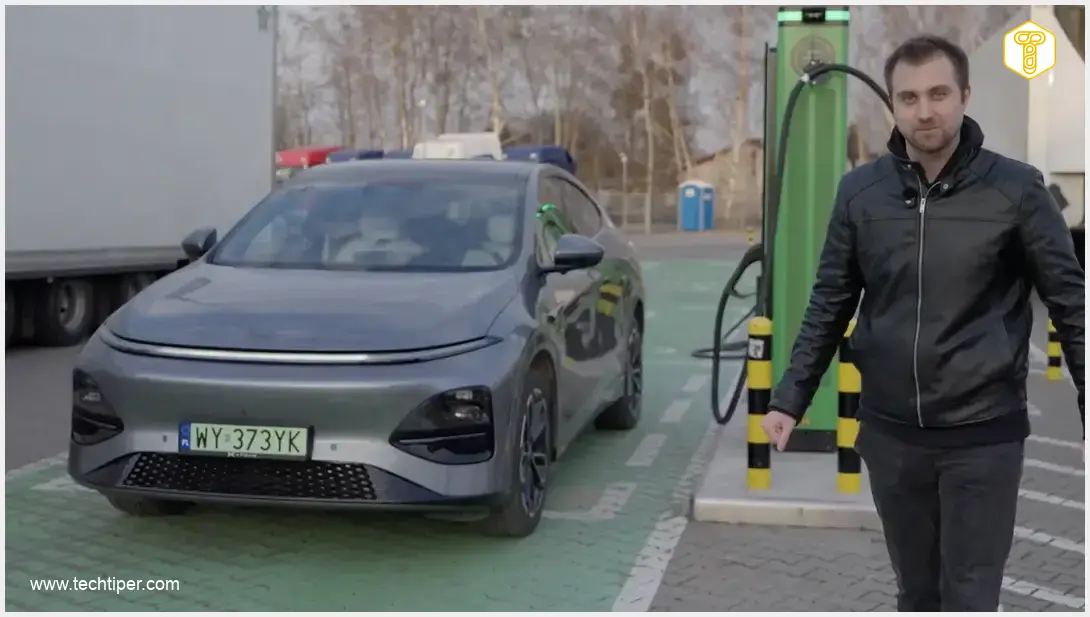
In the world of electric vehicles, charging speed is a critical factor for many buyers. The Xpeng G6 stands out with its 800V electrical architecture, enabling significantly faster charging times compared to many rivals, including the Tesla Model Y. This advanced system allows the G6 to replenish its battery at speeds that can effectively halve the charging stops on longer trips.
With peak charging rates often exceeding 280 kW on compatible DC fast chargers, the Xpeng G6 can go from 10% to 80% state of charge in a remarkably short period, sometimes under 20 minutes. This capability is a major draw for drivers seeking convenience and efficiency in their EV ownership experience.
For more insights into the rapid advancements in EV charging infrastructure, you might be interested in developments like BYD’s Megawatt EV Charging in Europe, showcasing the industry’s push towards ultra-fast power delivery.
Performance and Range: Solid Foundations
Built on Xpeng’s advanced SEPA 2.0 platform, the G6 offers a robust foundation for performance and efficiency. It comes with various battery options, typically including a 66 kWh LFP (Lithium Iron Phosphate) battery and an 87.5 kWh NMC (Nickel Manganese Cobalt) battery, providing competitive WLTP ranges. Drivers can expect impressive acceleration and a smooth, quiet ride characteristic of modern EVs.
The G6 is available in both rear-wheel-drive (RWD) and all-wheel-drive (AWD) configurations, catering to different driving preferences and performance needs. The RWD variants generally offer longer range, while AWD models provide enhanced traction and quicker acceleration.
The Xpeng G6’s Single Hurdle: Market Maturity and Ecosystem
Despite its numerous advantages, the Xpeng G6 faces what could be considered its primary challenge, particularly in international markets: brand recognition and the established ecosystem. While Xpeng is a significant player in its home market, building trust, expanding service networks, and familiarizing consumers with a new brand takes time and substantial investment. This can translate to:
- Limited Service Infrastructure: A less extensive network of service centers and spare parts availability compared to established global brands.
- Brand Awareness: Overcoming the strong brand loyalty and widespread recognition enjoyed by competitors like Tesla.
- Software Localization: Adapting the in-car software experience to diverse international user preferences and regulations can be an ongoing process.
However, Xpeng is actively expanding its international footprint, and as more compelling Chinese EVs enter the global stage, consumer perceptions are rapidly evolving. The innovation seen in models like the G6, and the continuous battery advancements in the sector, for example, the MG electric cars semi-solid-state battery technology, suggest a bright future for these emerging brands.

Frequently Asked Questions (FAQ)
The Xpeng G6 utilizes an advanced 800V electrical architecture, allowing it to charge significantly faster than the Tesla Model Y. It can achieve peak charging rates of over 280 kW, enabling a 10% to 80% charge in under 20 minutes on compatible DC fast chargers. While the Model Y is also fast, the G6 generally offers a quicker top-up experience.
Xpeng is progressively expanding its presence in international markets, particularly in Europe and parts of Southeast Asia. Availability may vary by region, and potential buyers should check with local Xpeng distributors or their official website for specific market launches and delivery information.
The Xpeng G6 typically offers two main battery options: a 66 kWh LFP (Lithium Iron Phosphate) battery and an 87.5 kWh NMC (Nickel Manganese Cobalt) battery. These options provide different ranges and performance characteristics, allowing consumers to choose based on their needs and budget.
The Xpeng G6 often surpasses the Tesla Model Y in terms of interior material quality and charging speed, thanks to its 800V architecture. It also brings a fresh design perspective and a strong emphasis on smart technology within the cabin, offering a compelling alternative for those seeking refinement and rapid charging capabilities.
While the Xpeng G6 boasts strong technical specifications and a compelling design, its primary challenge in international markets is often its nascent brand presence and developing service infrastructure. Unlike established global players, Xpeng is still building out its sales, service, and charging networks outside of China, which can be a concern for potential buyers regarding long-term support and resale value.
Source: Proprietary work
Opening photo: Lukasz Skalba
About Post Author
