

Contents
Tesla’s Cybercab Event: A Glimpse into the Future of Autonomous Mobility
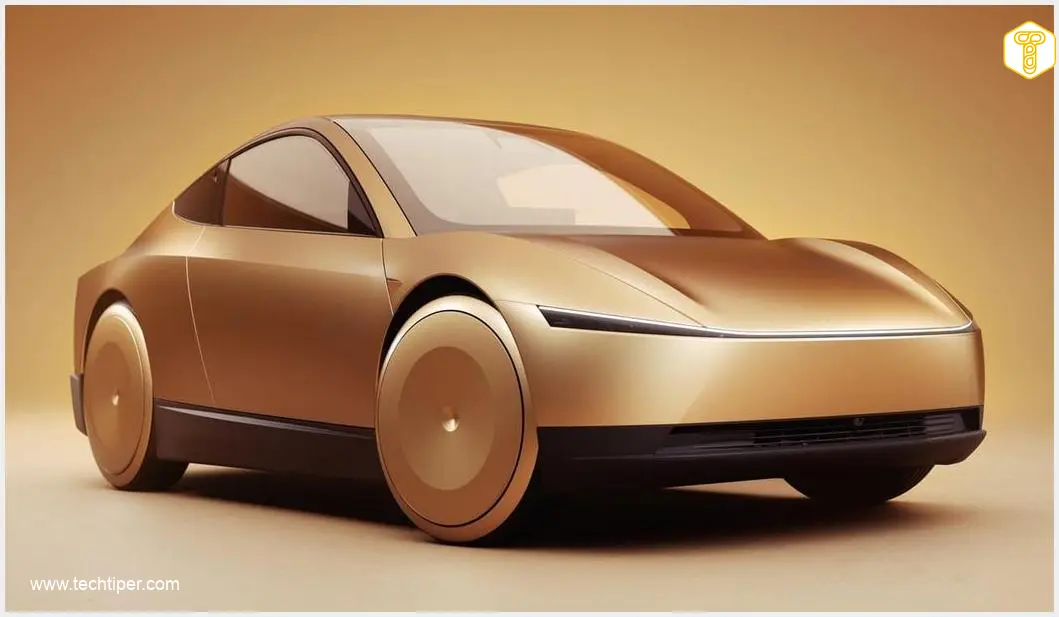
Tesla is gearing up for another significant event dedicated to its highly anticipated Cybercab, a vehicle designed to operate entirely without a steering wheel or pedals. This innovative two-seater is envisioned as the cornerstone of a global network of autonomous taxis, promising a revolution in urban transportation. However, the ambitious vision championed by Elon Musk is currently facing considerable challenges in its path to widespread reality.
The Cybercab is Coming
Tesla has scheduled an exclusive event for today, September 3rd, focusing entirely on the Cybercab. While the company has kept specific presentation details under wraps, it’s confirmed to take place in Austin, Texas. The event is slated to begin at 11:45 PM Central European Time (CET), offering a late-night reveal for many international audiences.
The Cybercab represents one of Tesla’s most pivotal projects to date. It’s conceptualized as a compact, two-person vehicle purpose-built from the ground up for fully autonomous operation. Its design deliberately omits conventional driver controls such as a steering wheel or pedals, emphasizing its role solely as a self-driving unit.
Tesla’s long-term strategy is to deploy these vehicles primarily as robotaxis, fundamentally transforming personal and public transportation.
Tesla’s Ambitious Robotaxi Vision
Autonomous vehicles are central to Tesla’s future business model. The company is already operating a robotaxi service, utilizing modified versions of its Model Y vehicles. While some of these still involve human oversight, the ultimate goal is for the Cybercab to become the primary vehicle in this expansive autonomous network.
The development of a robust and trustworthy autonomous system also raises important questions about data collection and privacy. For instance, Tesla has faced scrutiny regarding data handling in various regions, highlighting the complexities of deploying such advanced technology globally. Read more about Tesla’s data privacy challenges, particularly concerning its integration with platforms like WeChat in China.
Ambition Meets Reality: Challenges for Tesla’s Autonomous Future
Elon Musk has consistently positioned autonomous driving as a core strategic pillar for Tesla’s growth. The Cybercab itself was first previewed in 2024, yet the execution of these ambitious plans has not progressed as rapidly as initially announced.
Tesla began Cybercab production in April 2026, but the manufacturing pace remains significantly slow. Furthermore, regulatory frameworks pose a considerable hurdle. In the United States, for example, regulations limit the number of vehicles without traditional driver controls that manufacturers can sell to the public. While such vehicles can be used extensively for testing, commercial deployment on a large scale presents a different set of challenges.
It remains uncertain how quickly Cybercabs will truly become a common sight on public roads. Tesla currently has 420 autonomous vehicles registered in Texas, with 45 of those being Cybercabs. In contrast, Waymo, a leading player in the U.S. autonomous taxi market, has 988 registered vehicles in the same state, underscoring the competitive landscape.

The broader landscape of automotive technology continues to evolve rapidly, with many companies exploring new concepts for in-car experiences and connectivity. The “third space” concept, transforming vehicles into extensions of our digital lives, is a key area of innovation for players like Afeela. Discover more about advanced car technology and the “third space” at CES 2026.
Looking Ahead: The Road for Cybercab
Tesla’s Cybercab represents a bold leap towards a fully autonomous future. While the technology promises unprecedented convenience and efficiency, the journey from concept to widespread adoption is fraught with technical, regulatory, and competitive challenges. The upcoming event will hopefully shed more light on how Tesla plans to navigate these hurdles and accelerate the deployment of its robotaxi network.
Frequently Asked Questions (FAQ)
The Tesla Cybercab is an upcoming two-seater autonomous vehicle designed without a steering wheel or pedals. Its primary purpose is to serve as a robotaxi within a global network planned by Tesla.
The Cybercab was first previewed in 2024, showcasing Tesla’s vision for a fully autonomous vehicle.
The main challenges include a slow production rate since manufacturing began in April 2026, and significant regulatory hurdles, particularly in regions like the United States, which restrict the commercial sale and large-scale deployment of vehicles without traditional manual controls. Competition from established autonomous vehicle operators like Waymo also presents a challenge.
As of recent data, Tesla has 420 autonomous vehicles registered in Texas, including 45 Cybercabs. In comparison, a major competitor like Waymo has 988 registered autonomous vehicles in the same state, indicating Waymo’s current larger operational footprint.
Source: Reuters, Internal Research. Opening photo: Tesla / Press Materials
About Post Author
