Contents
Powerful Cameras May Soon Arrive in More Affordable Flagships: Vivo’s X500 Proves It’s Possible
For years, the pinnacle of smartphone camera technology has been exclusive to the most expensive Pro and Ultra models. However, this trend is on the verge of a significant shift. Vivo is poised to democratize high-end mobile photography by integrating advanced camera features, traditionally found in its premium devices, into its more accessible, standard X500 model. This strategic move means consumers might no longer need to opt for the most expensive variant to experience a powerful camera.
Vivo’s X500: Bringing Flagship Camera Tech to a Wider Audience
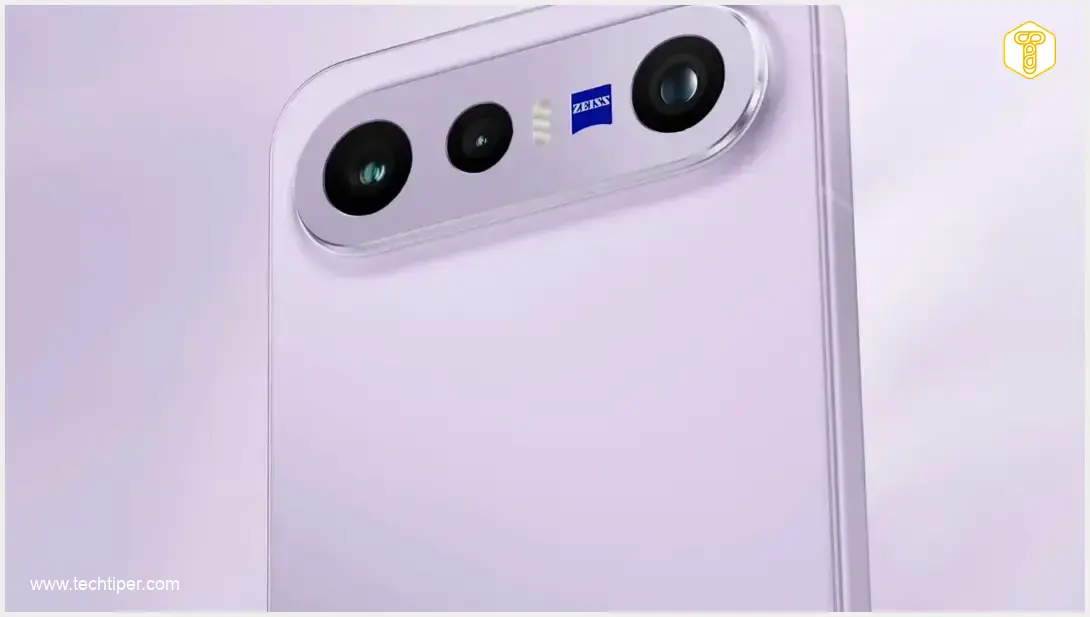
Ahead of its anticipated launch, Vivo has confirmed that the upcoming Vivo X500 will feature a robust 50-megapixel Sony LYT-828 sensor, boasting a substantial 1/1.28-inch size. This is particularly noteworthy as it’s the identical main sensor previously integrated into the Vivo X300 Pro. This inclusion in a standard model signals a clear departure from past strategies where such advanced sensors were key differentiators for the more premium Pro variants.
The device is also expected to incorporate CIPA 5.5 standard image stabilization. This level of stabilization is typically reserved for higher-end camera systems, further narrowing the photographic capability gap between the standard X500 and its pricier counterparts.
For those interested in how other manufacturers are pushing the boundaries of smartphone photography, you can read about potential advancements like the iPhone 200MP camera sensor rumors and future photography.
Advanced Telephoto Capabilities for the X500
The innovation doesn’t stop at the main sensor. The Vivo X500 is also slated to receive a sophisticated 64-megapixel periscope telephoto lens, powered by the Sony LYTIA-610 sensor. This is another premium component that is expected to also be part of the X500 Pro model, underscoring Vivo’s commitment to elevating the standard model’s camera performance.
Key features of the X500’s telephoto lens include:
- CIPA 5.5 image stabilization for sharp, steady long-range shots.
- Support for a ZEISS teleconverter, offering a focal length equivalent to 200mm, enhancing zoom capabilities without sacrificing quality.
- Ability to record stunning slow-motion video in 4K at 120 frames per second, perfect for capturing dynamic action with incredible detail.
This level of telephoto performance on a non-Pro model is a significant development, offering users versatile photography options previously exclusive to the highest-tier smartphones.
A Glimpse into the Future of Smartphone Photography
The Vivo X500 series is anticipated to make its debut in September 2026. If Vivo continues this trend in future generations, consumers may increasingly find less reason to pay a premium for Pro or Ultra versions solely for superior camera technology. This strategy could lead to a more competitive market where powerful imaging capabilities become standard across a broader range of devices, making advanced photography more accessible to everyone.
Explore how other flagship devices have pushed the envelope in mobile imaging with insights into the Vivo X300 Ultra flagship camera phone photography.

Frequently Asked Questions (FAQ)
The Vivo X500 is notable for incorporating high-end camera components, such as the 50MP Sony LYT-828 main sensor and a 64MP periscope telephoto lens with CIPA 5.5 stabilization, into its standard model. These features were traditionally reserved for more expensive ‘Pro’ or ‘Ultra’ variants, making flagship-level photography more accessible.
By bringing advanced camera hardware like premium sensors and periscope telephoto lenses to a non-Pro model, the Vivo X500 challenges the industry norm of exclusively offering top-tier camera performance in the most expensive flagships. This move suggests a potential future where consumers don’t need to upgrade to the highest-tier device just for superior camera capabilities.
The Vivo X500 series is currently anticipated to launch in September 2026.
Source: Android Authority. Opening photo: vivo / press materials
About Post Author