

Contents
Tesla Shifts Gears: Cybertruck Production to End, Cybercabs Take Center Stage
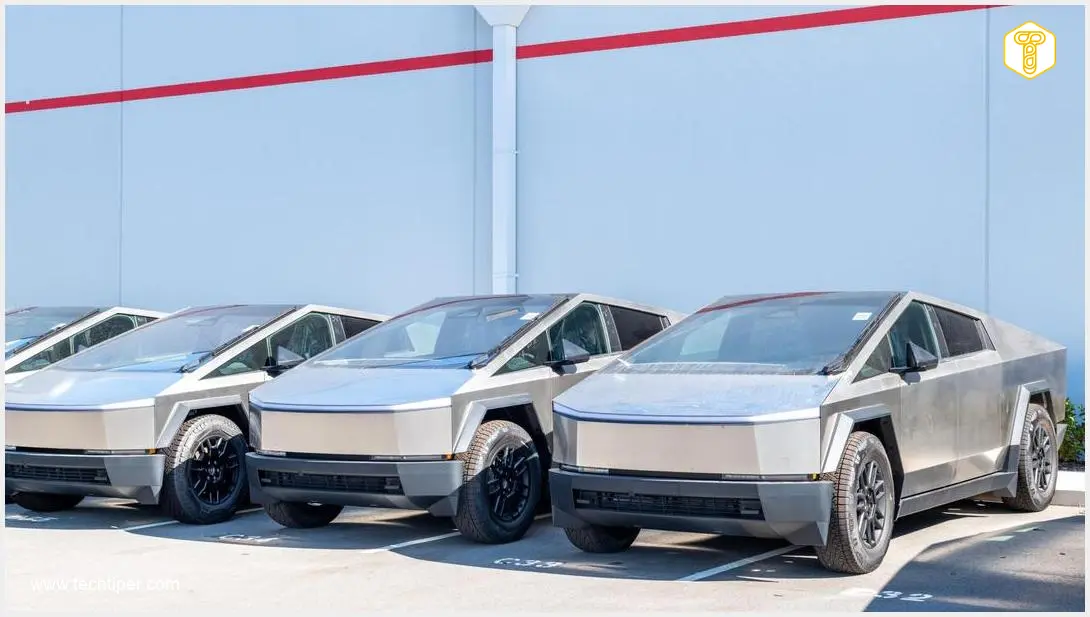
Tesla is reportedly set to conclude production of its much-hyped Cybertruck by 2027. The manufacturing space at Gigafactory Texas will be repurposed for the mass production of two-person Cybercabs—autonomous robotaxis envisioned to be the cornerstone of Elon Musk’s ambitious new company strategy. This move signifies a decisive pivot for Tesla, moving further away from traditional automotive manufacturing and deeper into the realms of autonomy and robotics.
The Cybertruck’s Departure: Making Way for the Future
Elon Musk has reportedly confirmed that Cybertruck production will be phased out by 2027. The area it currently occupies at the Texas gigafactory is slated to be converted into an assembly line for Cybercabs. This decision underscores Tesla’s accelerating shift from conventional passenger and commercial vehicles towards a future dominated by autonomous driving and robotics.
The Cybertruck, despite its futuristic design and significant anticipation, never quite lived up to the lofty expectations set by Musk himself prior to its production launch. In 2023, as the first units reached customers, Tesla aimed for an annual production target of 250,000 vehicles. However, over three years, the company has reportedly sold only tens of thousands of units cumulatively. The factory, once colloquially referred to as the “Cybertruck factory,” is now poised to serve a vastly different purpose.
This strategic reallocation of resources follows a broader trend within Tesla. The company has been increasingly prioritizing its AI and robotics initiatives, including the development of its humanoid robot, Optimus. This focus on next-generation mobility solutions and artificial intelligence is central to Musk’s long-term vision for the company.
Tesla’s Strategic Pivot: The Rise of Cybercab and Robotics
The discontinuation of the Cybertruck highlights Tesla’s commitment to its autonomous robotaxi vision. The Cybercab, a compact, two-seater autonomous vehicle, is designed for urban mobility and is expected to revolutionize personal transportation. This initiative aligns with the growing global interest in autonomous public transport and ride-sharing services. For more insights into this evolving landscape, explore the revolution in transport as commercial robotaxis arrive in Europe and learn about Europe’s first commercial robotaxi service in Zagreb.
Tesla’s shift is not just about new vehicle types; it’s about redefining the company’s core business. By focusing on robotaxis and humanoid robots, Tesla aims to become a leader in artificial intelligence and automated services, rather than solely a car manufacturer.
From Grand Vision to Market Reality: The Cybertruck’s Journey
The Cybertruck project was a long-standing ambition for Elon Musk, nurtured for years. As early as 2019, Musk declared the pickup would be his personal favorite among Tesla’s upcoming products. He promised a radical vehicle, drawing inspiration from the cyberpunk aesthetics of science fiction films. The 2019 unveiling event became legendary, not only for its polarizing design but also for the infamous incident where its “armor glass” windows shattered during a demonstration with steel balls.
At its debut, Tesla made bold promises:
- A starting price below $40,000.
- An estimated range of up to 500 miles (approximately 800 kilometers).
Production Delays and Revised Expectations
Ultimately, the Cybertruck’s production was delayed by two years. When the first units finally rolled off the assembly line in late 2023, the reality differed significantly from the initial promises:

- The starting price had increased to around $60,000.
- The declared range had shrunk by over 100 miles (approximately 160 kilometers).
The market’s reception to the vehicle was lukewarm. Its highly polarizing design, combined with a higher price point and slightly diminished performance specifications, resulted in moderate demand. Furthermore, during 2024 and 2025, the Cybertruck reportedly became intertwined with Elon Musk’s political engagements, which further complicated its appeal among certain customer segments.
The Road Ahead: Autonomous Future
Currently, Tesla is actively testing Cybercabs on the streets of Austin, with plans for expansion into Dallas soon. The decision to halt Cybertruck production appears to be a logical and consistent step aligned with the direction Musk intends to steer the company: fewer traditional automobiles and a greater emphasis on autonomous vehicles and advanced robotics. This strategic evolution positions Tesla at the forefront of the upcoming mobility revolution.
Frequently Asked Questions (FAQ)
Tesla is reportedly discontinuing the Cybertruck primarily to reallocate manufacturing resources and factory space to the mass production of its new autonomous robotaxi, the Cybercab. This move is part of a broader strategic shift by the company towards robotics and autonomous driving technologies, as the Cybertruck did not meet its ambitious sales targets.
Cybercabs are Tesla’s planned two-person, fully autonomous robotaxis designed for urban mobility. While Tesla is currently testing Cybercabs in select cities like Austin, a definitive timeline for their widespread commercial availability has not been officially announced. The repurposing of the Cybertruck production line by 2027 suggests a strong push for Cybercab production around that period.
This strategic shift indicates Tesla’s ambition to evolve beyond being solely an electric vehicle manufacturer. By prioritizing robotaxis and robotics, Tesla aims to become a dominant player in the autonomous technology and AI sectors, potentially disrupting traditional transportation and ride-sharing markets. This could position Tesla as a leader in future mobility solutions, even as it scales back on certain conventional vehicle offerings.
While any new technology rollout faces challenges, the transition from Cybertruck to Cybercab represents a fundamental shift in Tesla’s business model towards a service-based autonomous fleet. The hurdles for robotaxis are different from those for personal vehicles; they involve regulatory approvals, public acceptance of driverless technology, and scalability of AI and sensor systems, rather than just consumer vehicle sales and production. Tesla’s extensive experience in AI and autonomous driving development positions it strongly, but navigating regulatory landscapes and ensuring widespread public trust will be critical to the Cybercab’s success.
Source: TechCrunch, original reporting. Opening photo: Dolores Harvey / Adobe Stock
About Post Author
