
Contents
Apple Studio Display: A Premium Price Tag with Surprising Limitations
Apple has long cultivated a reputation for offering a premium experience, often at a premium price. However, the introduction of the Apple Studio Display series genuinely caught many by surprise – not so much for what it includes, but rather for key specifications that are conspicuously absent, especially given its starting price point.
The Apple Studio Display: Price and Core Specifications
First launched in March 2022, the Apple Studio Display immediately positioned itself as a high-end monitor for professionals and enthusiasts. The base model of this sophisticated piece of hardware starts at $1,599. This initial investment brings a visually impressive display, but some aspects raise questions for discerning users.
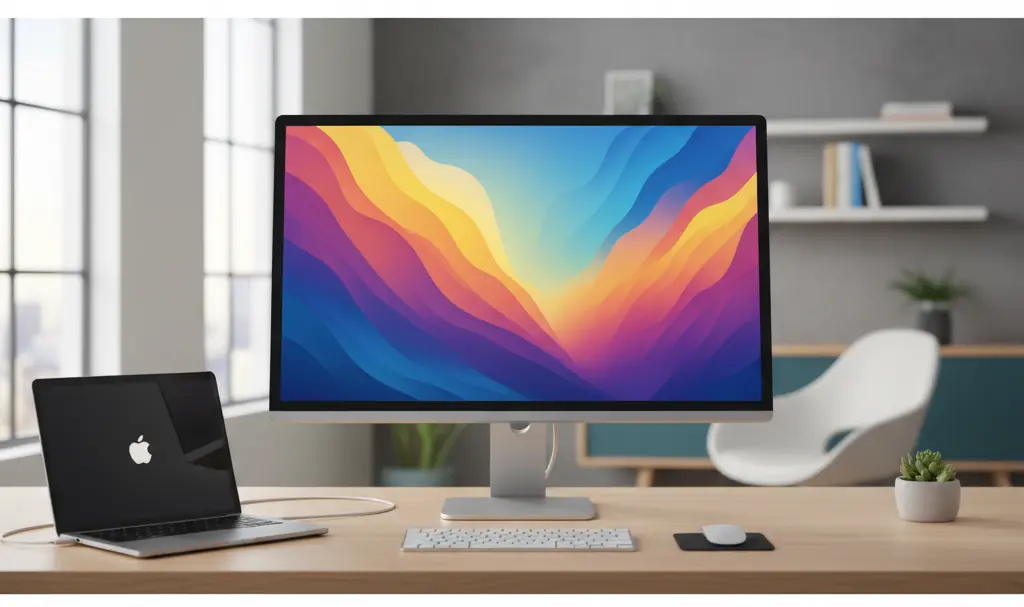
- Stunning 5K Retina Display: Boasting a 27-inch screen with a 5120×2880 resolution, the Studio Display delivers incredibly sharp images and ample screen real estate.
- Bright Visuals: With 600 nits of brightness, the display ensures vibrant colors and good visibility even in well-lit environments.
- Wide Color Support: Full support for the P3 wide color gamut makes it ideal for creative professionals working with graphics, video, and photography.
The 60Hz Refresh Rate: A Step Back in Time?
Despite its premium price and impressive visual fidelity, one of the most debated aspects of the Studio Display is its refresh rate. The base model, and indeed all configurations of the Studio Display, are capped at a standard 60Hz.
This 60Hz standard has been prevalent since the early days of LCD monitors, tracing its roots even further back to CRT displays. While 60Hz remains perfectly acceptable for many tasks, including some casual gaming, the landscape of display technology has evolved significantly.
Today, even many budget-friendly laptops offer higher refresh rates (90Hz, 120Hz, or even higher) for a smoother user experience, particularly when navigating the operating system or scrolling through content. For a monitor positioned at this price point and marketed towards demanding users, reverting to a 60Hz refresh rate for everyday office tasks or general computing can feel remarkably dated and even jarring.
It’s crucial to note that the Apple Studio Display does not offer a 120Hz ProMotion option. This feature, which dynamically adjusts the refresh rate for buttery-smooth scrolling and responsiveness, is exclusive to Apple’s higher-end devices like the MacBook Pro, iPad Pro, and the significantly more expensive Pro Display XDR.
Beyond the Refresh Rate: Professional Features Shine
While the refresh rate might be a sticking point for some, the Studio Display genuinely excels in other areas, making it a compelling choice for specific professional workflows. Those who prioritize precision, audio quality, and seamless integration within the Apple ecosystem often find great value here.
Integrated Professional-Grade Tools:
- Studio-Quality Microphones: Equipped with a three-mic array, the monitor delivers exceptional clarity for video calls, voiceovers, and recording.
- Powerful Speaker System: Six speakers with spatial audio support provide an immersive and rich sound experience, a rarity for monitors.
- Advanced Camera: A 12-megapixel Ultra Wide camera with Center Stage keeps you perfectly framed during video conferences, enhancing remote collaboration.
- True Tone Technology: Automatically adjusts the color temperature of your display to match the ambient light in your environment for a more natural viewing experience.
Configurations and Pricing for Demanding Users
The Apple Studio Display offers customization to suit different professional needs. The standard model with regular glass starts at $1,599. For those working in environments with significant glare, an upgrade to nano-texture glass is available for $1,899, which minimizes reflections without compromising image quality.
Additional options include various stand configurations, from a tilt-adjustable stand to a more versatile tilt- and height-adjustable stand. For users who prefer to mount their display, a VESA mount adapter option is also available.
It’s important to differentiate the Studio Display from Apple’s even higher-tier professional monitor, the Pro Display XDR. The Pro Display XDR, which starts at $4,999 (and can reach upwards of $6,000 for configurations including nano-texture glass and a Pro Stand), is the model that offers features like 120Hz ProMotion and significantly higher brightness for HDR workflows. The original Polish article’s mention of a 120Hz monitor around the $3,750 price point (converted from 14,999 PLN) was likely referring to the Pro Display XDR, not a Studio Display model.
Frequently Asked Questions (FAQ)
Is the Apple Studio Display worth it for casual users?
While the Studio Display offers a beautiful 5K screen and integrated features, its premium price and 60Hz refresh rate might make it less ideal for casual users who can find displays with similar refresh rates and good quality at a much lower cost. It’s primarily designed for professionals who can leverage its color accuracy, audio, and camera features.
Does the Apple Studio Display have ProMotion (120Hz)?
No, the Apple Studio Display is limited to a 60Hz refresh rate. The 120Hz ProMotion technology is reserved for Apple’s Pro Display XDR, as well as select MacBook Pro and iPad Pro models.
What are the key advantages of the Apple Studio Display for professionals?
Professionals benefit from the Studio Display’s stunning 5K Retina resolution, wide P3 color gamut support for color-accurate work, excellent integrated studio-quality microphones and six-speaker sound system, and a 12MP camera with Center Stage for high-quality video conferencing. The nano-texture glass option is also a significant advantage in challenging lighting conditions.
Source: Apple / Press materials. Opening photo: Gemini
About Post Author
