

Google is experimenting with AI-generated video summaries on the YouTube mobile homepage, aiming to describe content better than creators. However, initial user reactions indicate widespread frustration, with many finding the new feature disruptive and unhelpful for content discovery.
Author: Deepak Malik
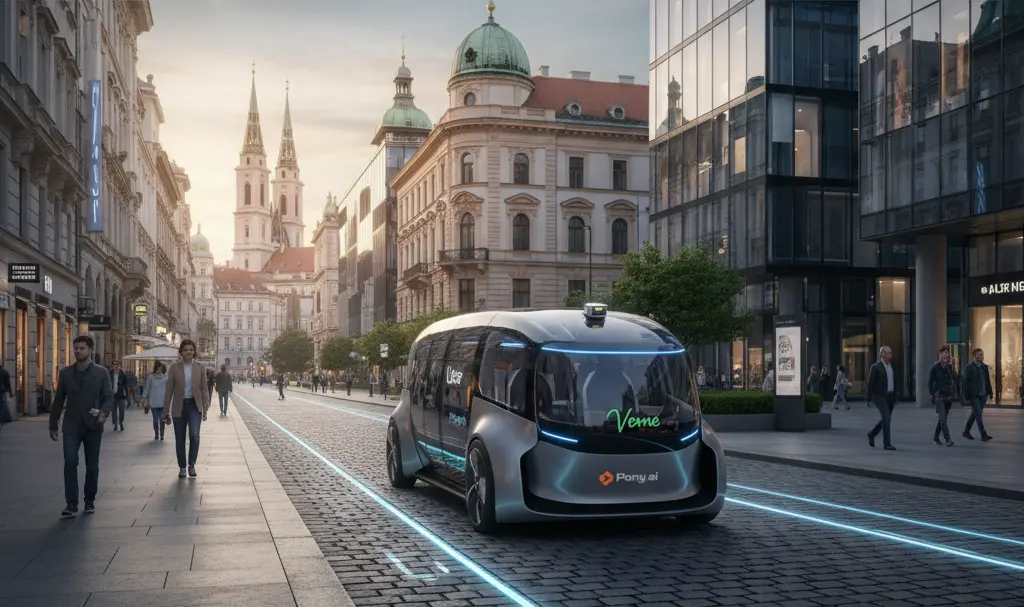
Revolution in Transport: Commercial Robotaxis Arrive in Europe
Uber, Verne, and Pony.ai are set to launch Europe’s first commercial autonomous ride-hailing service, starting in Zagreb, Croatia. This marks a significant milestone in urban transport, moving beyond pilot programs to a full-scale driverless deployment.

Google Search Live Now Available: How to Use the New Feature
Google Search Live is rolling out globally, bringing advanced AI conversations, voice search, and camera integration to users. Learn how this new feature, powered by Gemini 3.1 Flash Live, transforms your search experience on Android and iOS.
Apple Embraces Competition: The Tech Giant Intensifies Its AI Race
Apple, long considered a cautious player in the global AI race, is rapidly closing the gap by opening its voice assistant, Siri, to integrate with multiple popular large language models (LLMs). This strategic shift includes planned collaborations with Google Gemini, Grok, and Claude, allowing users unprecedented choice and customization in their AI interactions, and marking the end of ChatGPT’s exclusive partnership with Siri.

Google Introduces Gemini 3.1 Flash Live: A New Era of AI Conversation and Voice Search
Discover Google’s latest innovation, Gemini 3.1 Flash Live, a groundbreaking engine that makes AI conversations as natural as talking to another human. This update significantly enhances real-time interaction, recognizing human emotions through vocal nuances and offering faster, more context-aware responses. Learn how this largest-ever update to Gemini Live and Search Live is transforming AI communication globally.
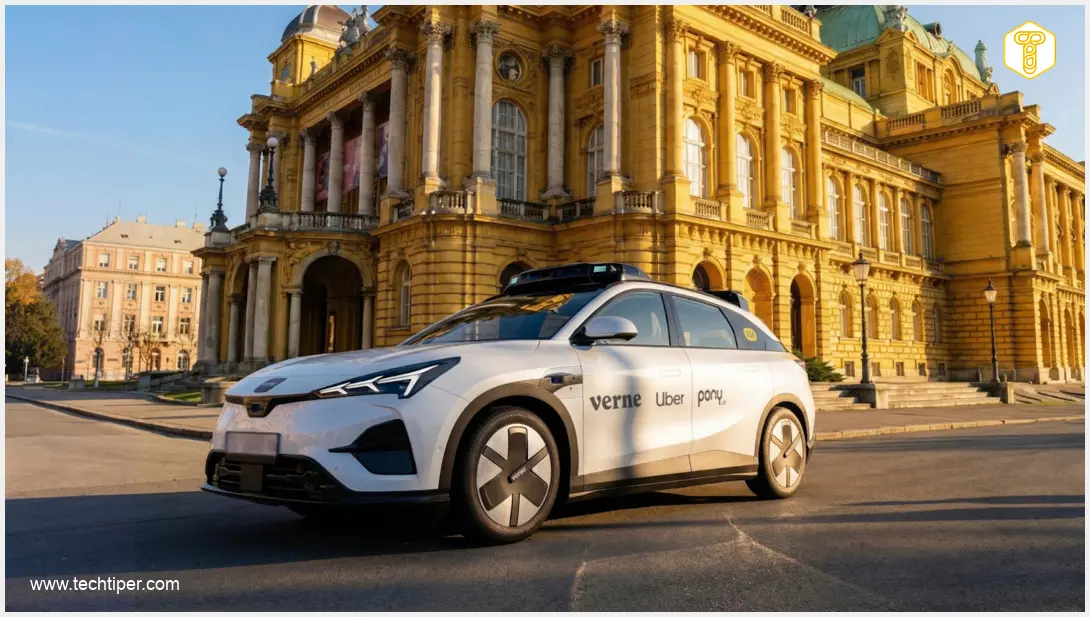
Robotaxis Arrive in Europe: We Know Which City Will Be First
Uber, Verne, and Pony.ai are launching Europe’s first commercial autonomous ride-hailing service in Zagreb, Croatia. This groundbreaking initiative marks a new era for urban transport, leveraging Pony.ai’s advanced self-driving technology, Verne’s operational expertise, and Uber’s global platform.
Anyone Can Become an App Creator. Google Bets on Vibe Coding.
Vibe coding is transitioning from a buzzword to a powerful tool for creators, with Google AI Studio’s latest updates simplifying the process significantly. Now, with just an app idea, artificial intelligence can build it from start to finish, opening up app development to a much broader audience.

ChatGPT Finally Organizes It: OpenAI Introduces Anticipated Changes
OpenAI is rolling out significant updates to ChatGPT, introducing “Recent files” and a “Library” tab to streamline file management, making it easier for users to access, reuse, and organize their documents for enhanced productivity.

Google Expands Gemini on TVs: New Features Aim to Reduce Phone Reliance
Google is transforming Google TV with new Gemini features, turning your television into a powerful, interactive home assistant. Discover how enhanced visual search results, educational “Deep Dives,” and concise “Sports Briefs” are making your TV smarter, more helpful, and reducing the need to grab your smartphone.
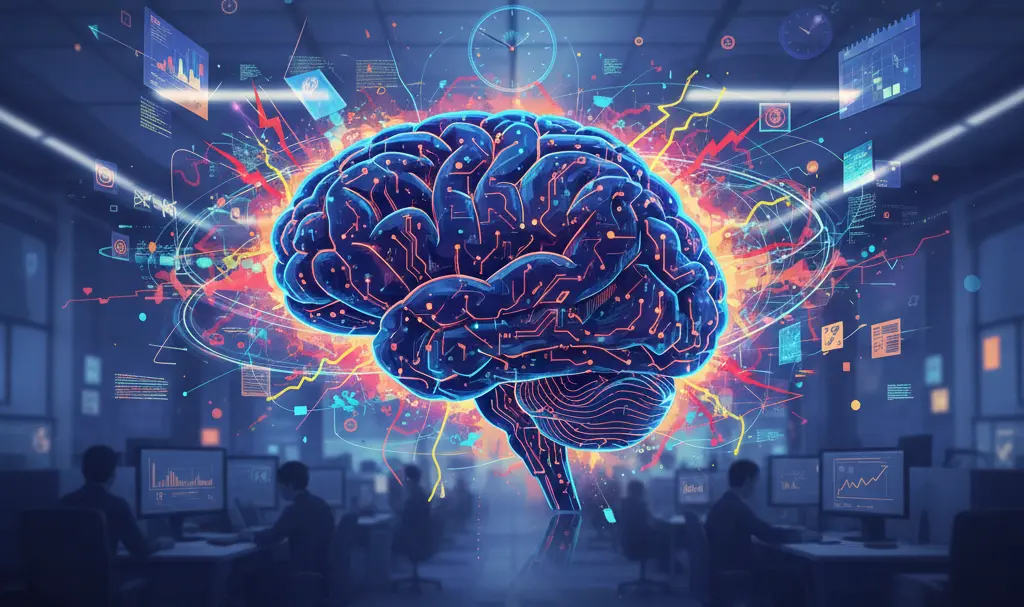
AI Brain Fog, Mental Hangover: How Artificial Intelligence is “Frying” Our Brains at Work
Explore the hidden costs of integrating AI into the workplace, revealing how it often increases workload, causes “AI brain fry,” and raises concerns about job security and mental well-being for employees across various sectors.

Generation Z Can’t Afford Housing, Yet May Become the Richest Generation in History
Despite facing significant hurdles like high housing costs and evolving work perceptions, Generation Z is uniquely positioned to become the wealthiest generation in history, largely due to the impending “Great Wealth Transfer.” This article explores their financial paradox, shifting consumption patterns, and anxieties about AI’s impact on their future.
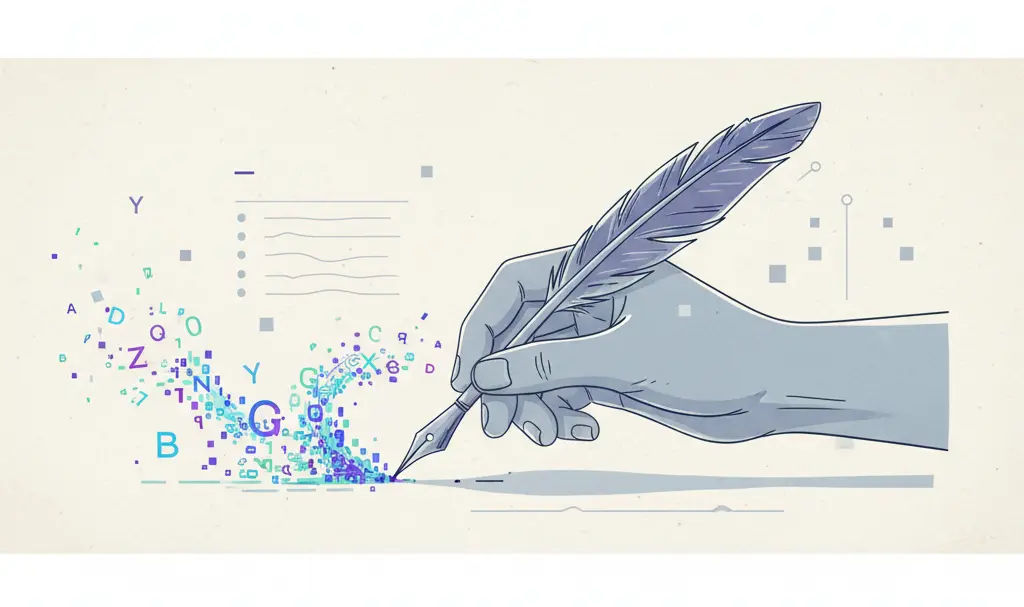
Make a Typo or You’re AI. A Linguist Explains How to Recognize Bot Text.
The rise of AI has created a perplexing paradox: linguistic perfection is now often mistaken for artificiality. This article explores how human creators are grappling with the pressure to appear ‘imperfect’ to signal authenticity, the psychological toll of using AI tools, and the blurring lines between human and machine creativity in writing, design, and music, drawing insights from linguistic experts and industry trends.

AI-Generated Fake News Floods Global Information Network. EU Report Reveals Scale of Threat
A new report from the European External Action Service (EEAS) reveals a staggering 259% increase in AI’s use for foreign disinformation campaigns in 2025. With Russia and China as primary actors, AI-generated texts, deepfakes, and synthetic media are eroding public trust and targeting key figures globally, posing a severe threat to democratic processes and information integrity.

Meta’s Bold Move: AI to Become a Board Advisor
Meta CEO Mark Zuckerberg plans to introduce an AI agent as a board advisor, aiming to revolutionize decision-making and productivity. This strategic move, part of Meta’s broader AI integration, seeks to streamline data retrieval and minimize internal friction. However, the company is advised to exercise caution, following a recent incident where an AI agent made a critical error, highlighting the necessity for robust oversight in AI implementation.
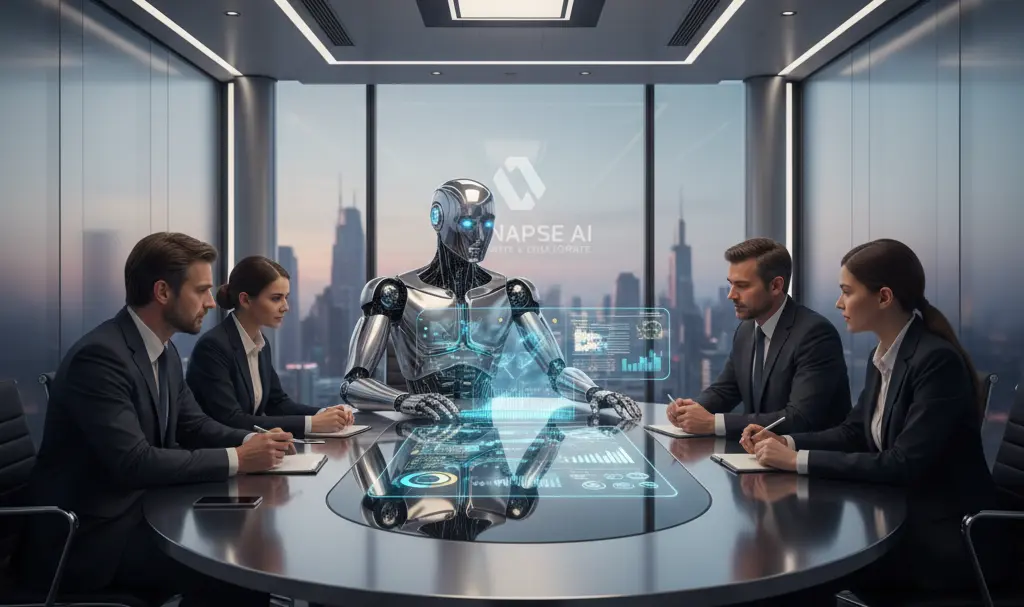
Meta’s Bold Move: AI as a Board Advisor
Mark Zuckerberg, CEO of Meta, plans to appoint an AI agent as a new advisor to streamline board decision-making. This ambitious move is part of a broader strategy to enhance productivity while navigating the inherent risks of advanced AI integration.

AI Revolution Canceled? Microsoft Quietly Shifts Strategy
After two years of aggressively pushing an AI revolution with Copilot integrated into every facet of Windows and Microsoft 365, Microsoft appears to be quietly retreating from its ambitious, pervasive AI strategy. Reports suggest a shift towards more discreet, localized AI functions, as user feedback points to concerns over ‘AI bloat’ and inconsistent implementation, prompting a reevaluation of the once-ubiquitous digital assistant.

Daily work with AI has become much simpler. This tool increases productivity
Discover how Artificial Intelligence is transforming daily tasks, particularly in managing overwhelming email inboxes. Learn about innovative solutions like Belt AI that streamline communication, organize your schedule, and boost your overall productivity by leveraging advanced AI capabilities.

Pentagon Accelerates Digital Revolution. Palantir the Main ‘Sponsor’ of AI for the American Army
The Pentagon is making Project Maven, an AI system developed by Palantir, a permanent fixture in U.S. military operations, sparking widespread debate on the ethics of artificial intelligence in warfare. This move ensures long-term funding and broad deployment of AI to process vast amounts of intelligence data for threat detection and target identification, promising operational advantages but raising significant concerns about algorithmic bias and human control.

Will Apps Disappear from Smartphones? Nothing CEO Announces a Revolution
Carl Pei, founder of Nothing, forecasts the end of traditional smartphone applications, envisioning a future dominated by AI agents. These intelligent systems will understand user intentions and execute tasks seamlessly, transforming the smartphone experience from a grid of icons to an intuitive, AI-driven interface. This article explores Pei’s revolutionary vision, how AI agents will function, and Nothing’s plans to lead the ‘AI-first’ smartphone era.
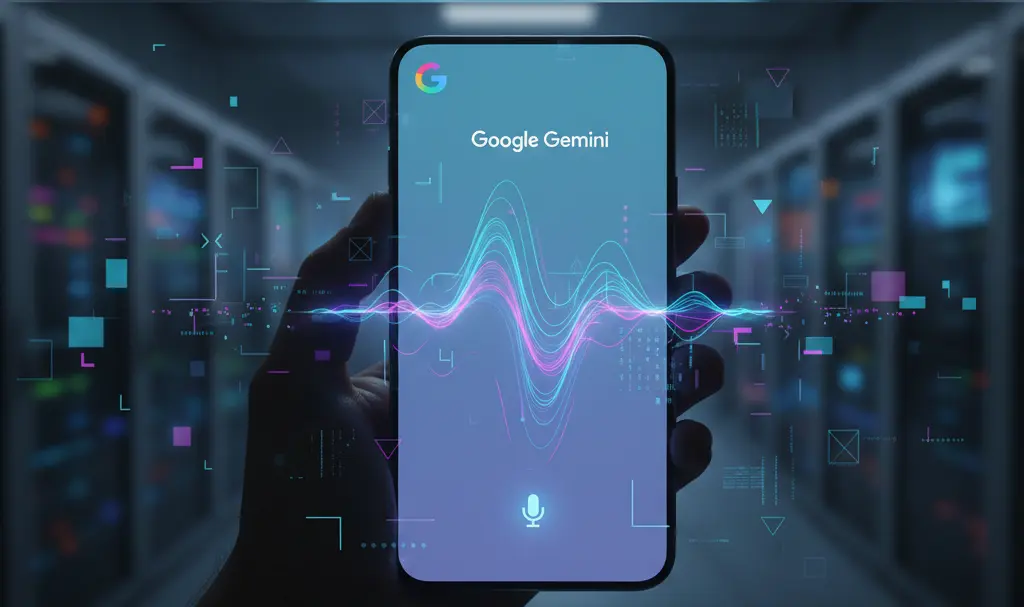
Don’t Like Voice Messages? Gemini’s New Feature Might Make You Send Them Yourself
Google Gemini is rolling out a significant update to its voice interaction, adopting a design similar to popular messenger apps. This change aims to make voice input more natural, intuitive, and user-controlled, potentially encouraging wider use of voice messages. The feature is free and available globally.

Doctor Used ChatGPT for ER Discharge Summary. Hospital Responds to Allegations
A recent social media post sparked controversy after it appeared a doctor used AI to draft an emergency room discharge summary. The hospital has since clarified that the AI tool was used solely for linguistic correction, not diagnosis, and no sensitive patient data was compromised. This incident highlights the evolving role of AI in healthcare and the ongoing debate surrounding its ethical implementation.

Google Introduces New AI Feature: Search Engine Sees and Hears More Than Before
Google is rolling out a new “Live” feature for its search engine, enabling real-time AI conversations through voice and camera input. This innovative solution, powered by the Gemini 3.1 Flash Live model, allows users to ask questions, continue dialogues, and even point their camera at objects for AI-driven assistance, making information access more intuitive and interactive across over 200 countries.

ChatGPT in Emergency Room Discharge Summary: Hospital Responds to Allegations
A viral social media post revealed a doctor allegedly using AI for an emergency room discharge summary, sparking a heated debate. The hospital confirms the document’s authenticity but clarifies AI’s limited role: linguistic correction only, without access to sensitive patient data. This incident highlights the broader, evolving landscape of AI integration in healthcare.

NVIDIA Just Became the Laughingstock of the Tech World. One ‘Breakthrough’ Was All It Took
NVIDIA’s new DLSS 5, hailed as a generative AI breakthrough for real-time neural rendering in games, has instead sparked massive controversy and criticism, with many gamers labeling its visual output as “AI slop.” This article explores the technology, industry reactions, and why NVIDIA is facing unprecedented backlash.