

A Norwegian couple’s experience with a hydrogen car highlights the challenges of nascent technology when infrastructure lags, turning their eco-friendly investment into a near-worthless asset.
Author: Sachin Mahto
Sachin is an editor for Techtiper, focusing on software, apps, and services. He writes on virtual private networks, privacy tools, cybersecurity issues, and ethics in tech. Sachin also covers news about Tech Industry. On a separate note, he plays a ton of online chess and is a fan of overly complicated sci-fi movies.

Soldier Revealed Unit’s Position Because… He Turned on Strava
A French military officer inadvertently exposed the location of the aircraft carrier Charles de Gaulle by recording a run on Strava, highlighting the critical security risks posed by fitness tracking technology for military personnel and sensitive locations.
Google Maps with an Important New Feature: Share Your Location Faster Than Ever
Major Google Maps Update Simplifies Location Sharing and Navigation Google, the tech giant based in Mountain View, is rolling out significant updates to its widely used Google Maps application. These changes aim to enhance user experience by simplifying core functionalities, most notably the process of sharing your location. Alongside this, the navigation interface has also […]
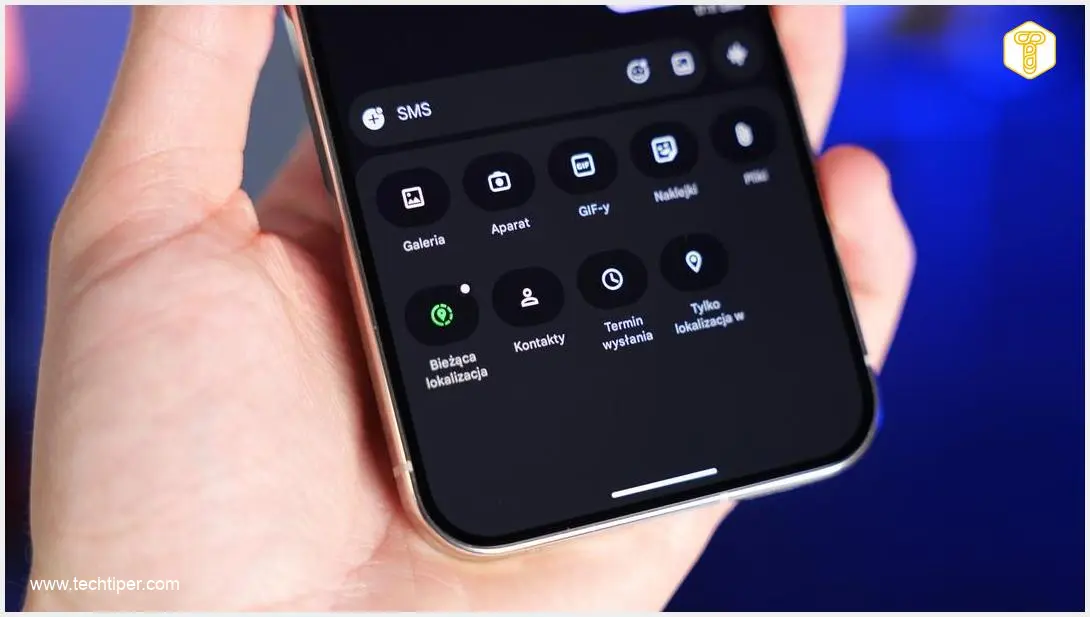
Google Messages with a Long-Awaited Feature. It Will Facilitate Meetings.
Google Messages is finally catching up with other messaging apps by introducing real-time location sharing, integrated with Google’s Location Sharing Hub, making it easier to meet up and stay safe.
You Will Have to Wait 24 Hours to Install an App on Android
Google has introduced a new, stricter process for sideloading applications on Android, featuring multiple confirmation steps and a mandatory 24-hour waiting period. This compromise comes after initial plans to fully block external APK installations, aiming to enhance user security while still allowing some flexibility for advanced users.
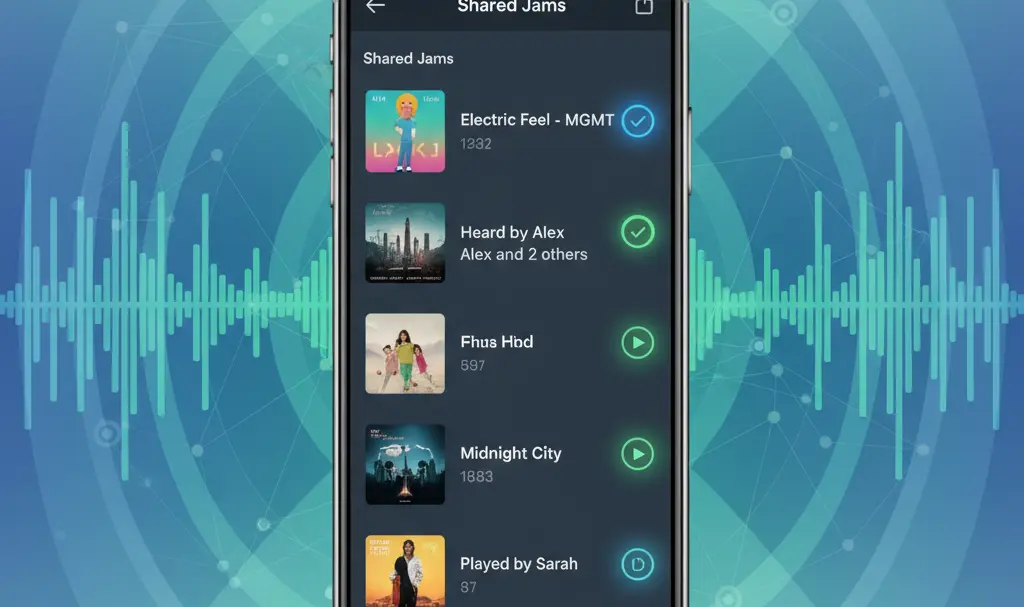
New Spotify Feature Will Reveal Who’s Ignoring You. Friends Will No Longer Get Away With It.
Spotify is reportedly testing new “Played Receipts” and “Saved Receipts” features, allowing users to see if shared songs and podcasts have been listened to or saved by recipients. This optional addition aims to combat “musical ghosting” and enhance social interaction within the app.
Your iPhone is in Danger: Experts Warn About DarkSword
The long-held belief in absolute iPhone security has been shattered by DarkSword, a sophisticated full-chain exploit. This “hit-and-run” threat leverages zero-day vulnerabilities to gain full control, extract sensitive data, and then erase its traces, leaving millions of iPhones vulnerable. Learn how DarkSword operates and what you can do to protect your device.

Meta Closes Project After Burning $80 Billion
Reports circulated that Meta was phasing out its ambitious Horizon Worlds VR platform, following significant investment and user challenges.

Apple Faces Challenges with Liquid Glass: Research Results Leave No Doubt
Apple’s new Liquid Glass interface, introduced with iOS 26, aimed for a visual breakthrough but is facing significant criticism, particularly concerning accessibility for visually impaired users. Recent reports highlight poor visibility and unresolved bugs, leading to a negative overall system quality assessment, despite some positive features like Braille support.

Card Payments at All Costs or Reliable Cash? What Should Poland Do?
Explore the global debate between digital and cash payments, examining contrasting approaches from Denmark and Switzerland, and considering the future of payment systems in Poland, with insights from a former Deputy Minister of Finance.
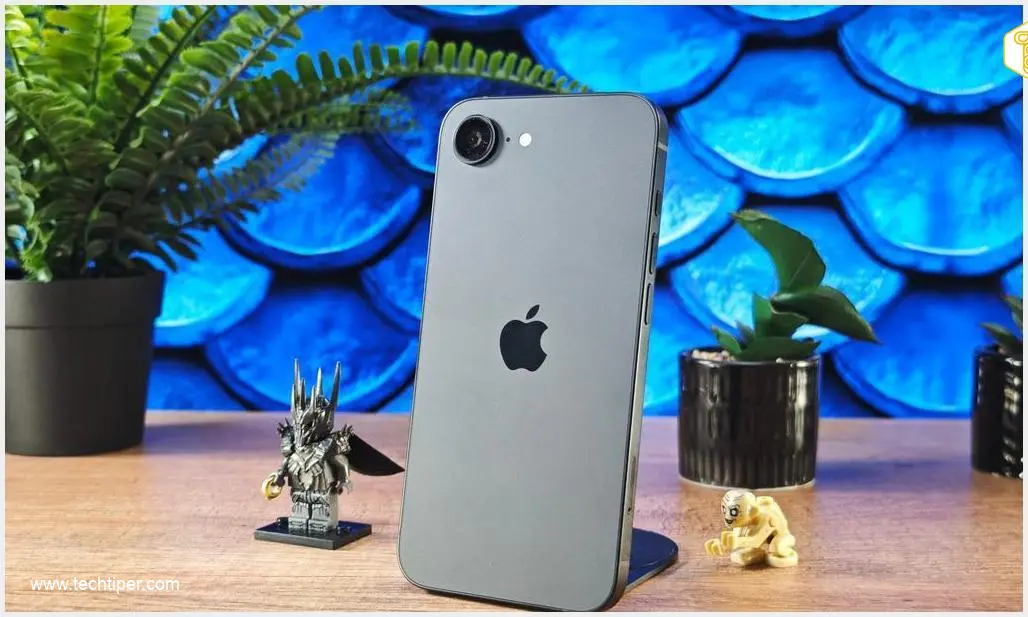
Apple Discontinues 15 Devices. What to Do Before It’s Too Late
Apple has announced the discontinuation of 15 devices, including some released only months ago. Learn which products are affected, the immediate and long-term consequences for users, and essential advice on managing your devices before their value drops significantly or support becomes challenging.
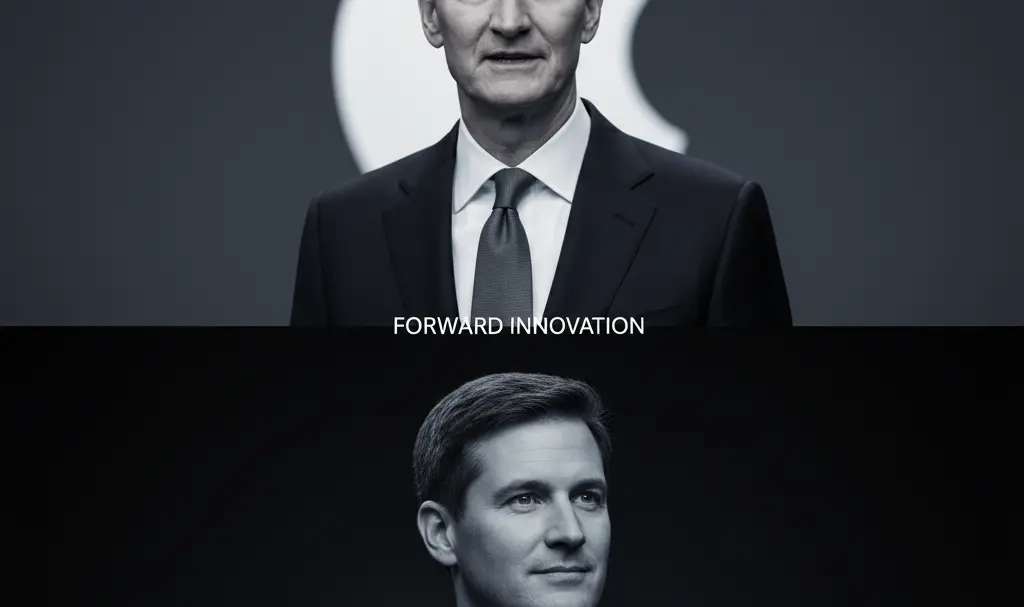
Is the Apple CEO retiring? Tim Cook speaks openly about it.
Apple CEO Tim Cook has decisively addressed rumors about his impending retirement, stating he “can’t imagine life without Apple.” While Cook reaffirms his commitment, speculation about his successor continues, with Senior Vice President of Hardware Engineering, John Ternus, emerging as a prominent candidate.

The Price War: Shein and Temu Threaten Retailers Across Europe
The evolving trade relationship between Europe and China, marked by a surge in Chinese imports via platforms like Shein and Temu, poses a significant challenge to European retailers. This article explores the impact and strategic responses.
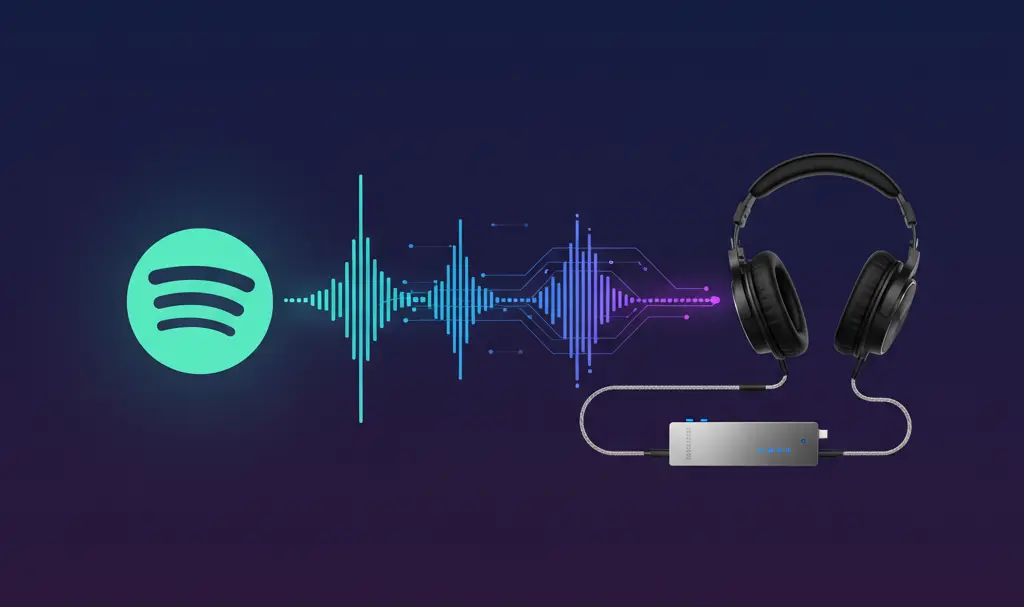
Do You Use Spotify on Windows? The App Has Gained a Feature That Gives You Full Control Over Sound
Spotify introduces Exclusive Mode for Windows, allowing users to bypass system audio processing for bit-perfect, uncompromised sound quality. This feature, ideal for audiophiles, ensures a purer listening experience, especially when paired with high-quality audio hardware like a Digital-to-Analog Converter (DAC) and wired headphones.

Treasure Hunter Released From Prison After Refusing to Return Shipwreck Gold
Explore the captivating story of Tommy Thompson, the treasure hunter who discovered the SS Central America but was imprisoned for a decade after refusing to disclose the location of $400 million in missing gold coins, even after his release.
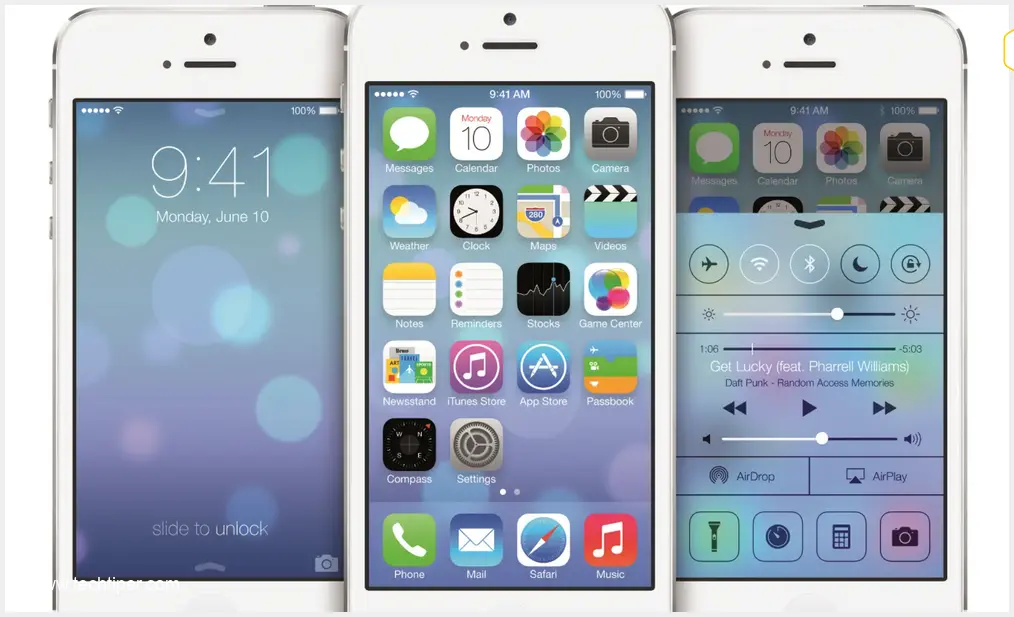
The end of iPhone 5. Apple closes all lines.
Apple has officially declared the iconic iPhone 5 “obsolete,” ending all technical support for one of its most groundbreaking smartphones. This pivotal device, introduced in 2012, brought innovations like the Lightning connector and LTE, shaping the future of mobile technology. Discover what this status means for users and the lasting legacy of the iPhone 5.

Google Finally Solves Annoying Wi-Fi Problem on Android
Google is addressing a long-standing Android frustration by working on a new Wi-Fi Sync feature that will automatically share saved network passwords across all your devices, eliminating the need for manual re-entry.

Hundreds of Errors Detected in Sea-Level Studies: Coastal Threat Maps Worldwide Are Changing
A groundbreaking study reveals that hundreds of past sea-level rise risk assessments systematically underestimated current coastal water heights due to an incorrect reference point. This oversight means tens of millions more people than initially thought could be at risk from rising sea levels, drastically altering global threat maps and challenging coastal nations with unforeseen environmental and social complexities.
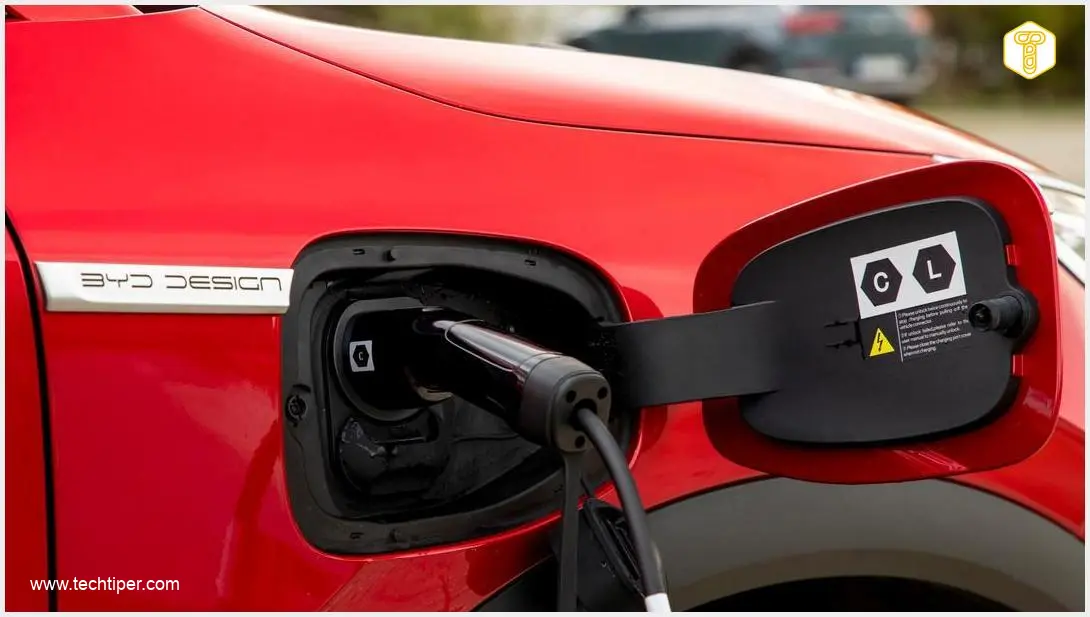
BYD’s Revolutionary Technology Arrives in Europe: Charging as Fast as Refueling
BYD is set to transform electric vehicle charging in Europe with the imminent rollout of its new Flash Chargers, capable of delivering an unprecedented 1.5 Megawatts of power. These ultra-fast stations will allow compatible EVs, like the upcoming Denza Z9 GT, to recharge from 10% to 70% in just five minutes, bringing EV charging speeds closer to conventional refueling times and marking a significant leap forward for sustainable mobility.

The World’s Strangest Commission? Trump Could Earn a Fortune on TikTok
Explore the controversial proposal for the Trump administration to receive a $10 billion payment in connection with the potential sale of TikTok’s U.S. operations. This article delves into the unprecedented nature of the fee, its political motivations, and the ultimate outcome where the payment did not materialize.
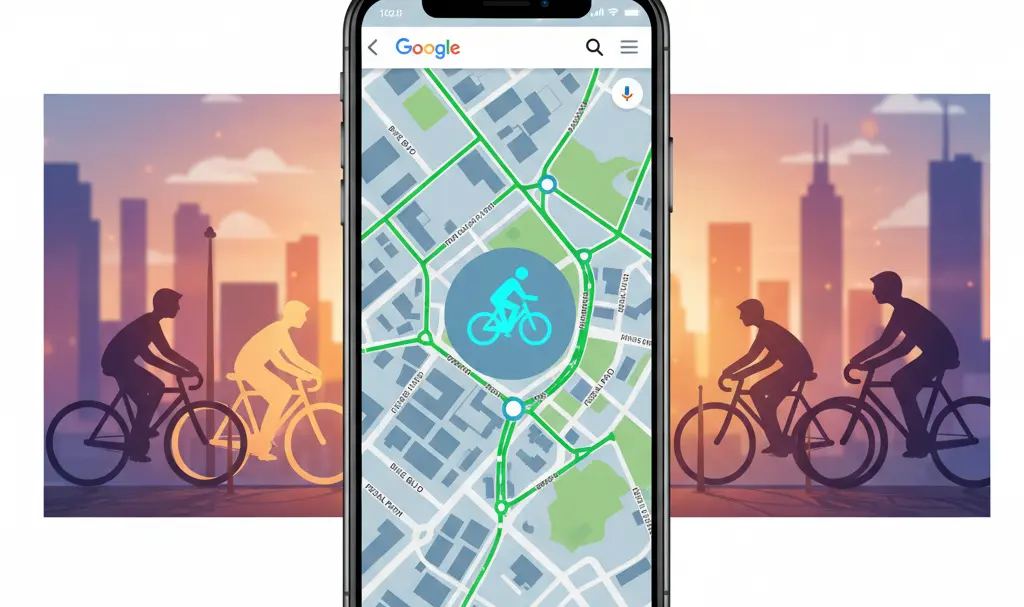
Google Maps to Revitalize a Forgotten Mode: App Code Reveals New Feature
Google Maps is reportedly testing significant updates to its navigation, specifically for cyclists. Code analysis suggests new interface elements, a refreshed view mode, and even personalized bicycle avatars are on the way, promising a more tailored experience for two-wheeled travelers.

Excellent ANC and Live Translation. Apple Unveils AirPods Max 2
After years of anticipation, Apple officially announces the AirPods Max 2, featuring significantly improved Active Noise Cancellation, advanced sound quality, and a revolutionary real-time translation feature powered by the H2 chip and Apple Intelligence. Set to launch on March 25th, these premium over-ear headphones promise an unparalleled audio experience, though with initial language limitations for its marquee translation capability.

Astronomers Observed the Collision of Two Planets 11,000 Light-Years Away
For the first time, astronomers have witnessed a planetary collision in real-time, observing the catastrophic impact of two celestial bodies in a distant star system. This rare event, involving the star ASASSN-21qj (formerly Gaia20ehk) located 11,000 light-years from Earth, offers unprecedented insights into how planets form and evolve, potentially shedding light on the origins of our own Solar System. The spectacular cosmic crash created an immense cloud of hot dust and debris, providing a unique laboratory for scientists to study planetary formation processes.