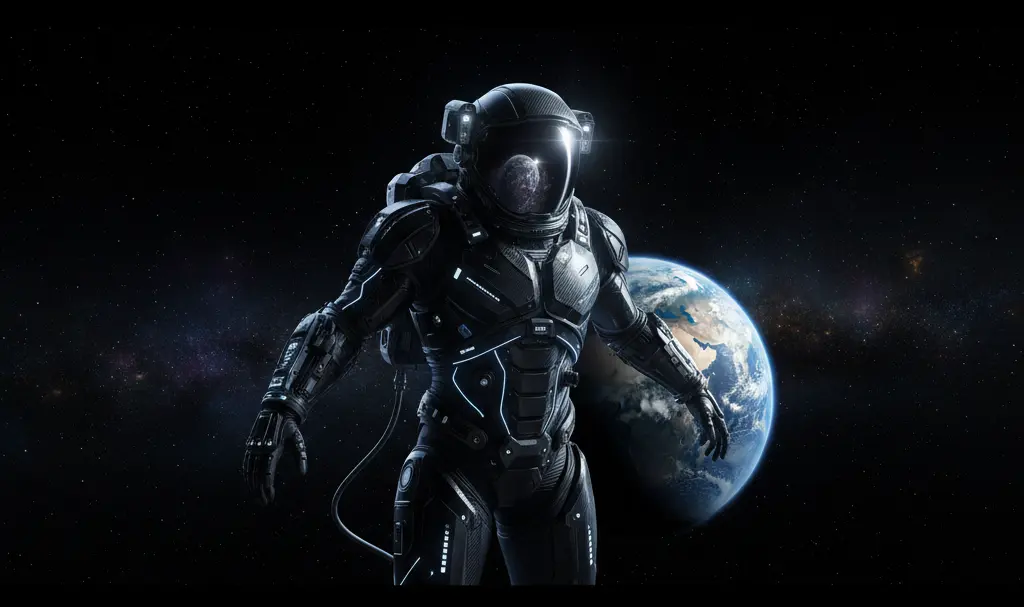
Conquering the Cosmos: Essential Sci-Fi Films About Surviving in Space
The struggle for survival is a timeless and compelling theme in modern cinema. This dramatic tension amplifies exponentially when the challenge shifts from Earth to the unforgiving vacuum of space. Science fiction, as a genre, thrives on pushing the boundaries of human endurance and ingenuity, exploring what happens when individuals are pushed to their absolute limits far from home. This article dives into the most gripping survival sci-fi films, showcasing humanity’s resilience against cosmic odds.
Below, you’ll find a curated list of the most captivating movies about surviving in space. The concept itself is electrifying, isn’t it? Most of us could probably tough out a night or two in a forest, but in space? The stakes, quite literally, soar into the stratosphere.
Top Science Fiction Survival Films
Apollo 13 (1995)
Based on the harrowing true events of NASA’s 1970 lunar mission, Apollo 13 chronicles a journey that transformed from a planned triumph into a desperate fight for survival. After an explosion cripples their spacecraft, three astronauts find themselves stranded hundreds of thousands of miles from Earth. Every decision, every ounce of oxygen, and every precise maneuver becomes a matter of life or death, as they race against time to return home.
Directed by Ron Howard and starring Tom Hanks, Kevin Bacon, and Bill Paxton, the film is lauded for its meticulous realism and intense focus on the human element of the catastrophe. It powerfully portrays the fear, the unwavering cooperation, and the cold, calculated problem-solving required to overcome seemingly insurmountable odds in the unforgiving void of space. Its blend of historical accuracy and dramatic tension makes it a cornerstone of the space survival genre.
The Martian (2015)
When an astronaut is presumed dead and left behind by his crew during an emergency evacuation, he awakens to find himself stranded and utterly alone on Mars. To survive, botanist Mark Watney (Matt Damon) must ingeniously leverage his scientific knowledge and an endless well of resourcefulness. Mars in this film isn’t merely a backdrop; it’s a relentless adversary that offers no second chances.
Ridley Scott’s adaptation of Andy Weir’s novel stands out as one of the more optimistic entries in the survival genre, largely thanks to Matt Damon’s charismatic and resilient performance. The film is celebrated for its grand scope, stunning visuals, and an accessible approach to science, vividly demonstrating that survival in space often hinges on a combination of creativity, determination, and a deep understanding of physics and biology.
Gravity (2013)
A routine spacewalk takes a catastrophic turn when debris destroys the space shuttle, leaving medical engineer Dr. Ryan Stone (Sandra Bullock) and veteran astronaut Matt Kowalski (George Clooney) adrift in the vast, silent void of Earth’s orbit. Stone must battle not only the absence of oxygen and gravity but also her own escalating panic and profound fears to find a way back to safety.
Alfonso Cuarón’s masterpiece is an immersive, sensory experience. He crafts a spectacle of claustrophobic tension and breathtaking visuals, where a minimalist plot allows Sandra Bullock’s raw performance to shine. Gravity chillingly illustrates the terrifying silence and indifferent majesty of space, making every breath and every desperate grab feel palpable to the viewer. The film won seven Academy Awards, including Best Director.
Life (2017)
Onboard the International Space Station, an international crew unearths the first definitive proof of extraterrestrial life from Mars. The excitement quickly turns to terror when the newly discovered organism, which they affectionately name “Calvin,” proves to be far more intelligent, powerful, and rapidly evolving than anyone could have anticipated. The confined spaces of the space station swiftly transform into a deadly hunting ground, as the crew fights for their lives against an increasingly hostile alien.
Life expertly blends sci-fi survival with horror, drawing clear inspiration from classic genre tropes, particularly Alien. The film builds intense suspense, delivering brutal sequences and a profound sense of entrapment. Featuring a talented ensemble cast including Jake Gyllenhaal, Ryan Reynolds, and Rebecca Ferguson, their performances add both energy and credibility to this gripping and terrifying space thriller.
Oxygen (2021)
A woman (Mélanie Laurent) awakens in a cryogenic medical unit, disoriented and with no memory of who she is or how she got there. Her only certainty is that her oxygen supply is rapidly dwindling. Trapped in what feels like a metallic coffin, she is solely reliant on the voice of an artificial intelligence, M.I.L.O., to help her piece together her identity and unravel the mystery of her situation before she runs out of air.
This French-language sci-fi thriller is a masterclass in psychological tension and a suffocating atmosphere. Directed by Alexandre Aja, the film relies almost entirely on Mélanie Laurent’s intense, claustrophobic performance, proving that effective cosmic survival narratives don’t require grand explosions or extensive CGI. It’s a testament to the power of a compelling premise and a strong lead.
Aniara (2018)
This Swedish-Danish co-production presents a bleak, philosophical tale of a colossal spaceship designed to transport settlers from a dying Earth to Mars. When an accidental collision with space debris sends the Aniara irreversibly off course and drifting into the endless void, its passengers, who had hoped for a new beginning, must confront the crushing reality that their journey has no destination, and their fate is sealed.
Aniara stands as arguably the most pessimistic and philosophical entry on this list. Instead of high-octane action, the film delivers a profound examination of societal breakdown and the deterioration of the human psyche when confronted with absolute powerlessness and the loss of all hope. It’s a stark, contemplative piece that explores the psychological horrors of cosmic survival.
When Earth Disappears from the Radar: The Most Potent Sci-Fi Survival Stories
The past two decades have solidified filmmakers’ fascination with stranding humanity in the vastness of space. During this period, dozens of films have explored the harrowing theme of survival beyond our home planet. In addition to the exceptional titles listed above, other notable entries include:
- Moon (2009): A solitary astronaut on a lunar mining base discovers a dark truth about his mission and identity.
- Sunshine (2007): A team of astronauts is sent on a desperate mission to reignite the dying sun.
- Passengers (2016): Two passengers awaken 90 years early on an interstellar voyage, facing a lifetime alone.
Furthermore, arguably the most iconic series centered around this theme is the Alien franchise. Kicking off 47 years ago with Ridley Scott’s groundbreaking film, the cycle continues to pose the fundamental question: How do we survive in the cold, dark reaches of space against unimaginable threats? Given the enduring appeal and depth of this subject matter, it’s certain that we will see many more productions in the coming years that grapple with this compelling conundrum.
Frequently Asked Questions (FAQ)
What defines a “space survival” science fiction film?
Space survival sci-fi films typically strand characters far from Earth, in hostile environments like deep space, alien planets, or damaged spacecraft. The core of the plot revolves around their desperate struggle to overcome overwhelming odds—such as limited resources, environmental hazards, isolation, or unknown threats—to stay alive and find a way back to safety or a new beginning.
What are some of the most highly-regarded space survival films?
Some of the most celebrated films in this subgenre include Apollo 13, praised for its realism; The Martian, known for its scientific ingenuity and optimistic tone; Gravity, acclaimed for its immersive visuals and intense claustrophobia; and the Alien franchise, which combines survival with horror. Other notable mentions include Moon, Sunshine, and Oxygen.
Why are audiences drawn to space survival stories?
Audiences are captivated by space survival stories because they tap into fundamental human fears and aspirations. These films explore themes of isolation, resilience, the unknown, and the limits of human ingenuity. They offer a thrilling escape while also prompting viewers to consider profound questions about humanity’s place in the universe and our will to survive against the most extreme circumstances.
Are all space survival movies intense and pessimistic?
While many space survival films are indeed intense and can be quite pessimistic (like Aniara or parts of the Alien series), some, like The Martian, offer a more optimistic and problem-solving-oriented perspective. They showcase human resilience, teamwork, and scientific ingenuity as paths to overcoming seemingly impossible challenges, proving that hope can endure even in the void.
Source: Original content analysis. Opening photo: Generated by Gemini
About Post Author