
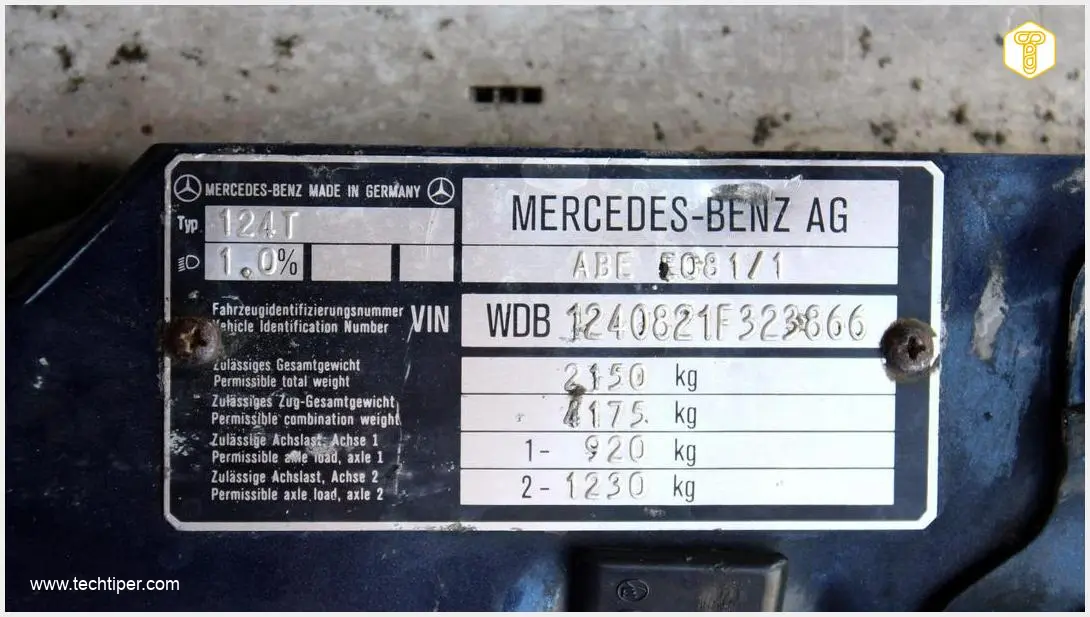
Buying a used car can be a risky endeavor, often fraught with potential pitfalls ranging from tampered odometers to undisclosed accident damage. How can buyers effectively minimize these risks without specialized automotive expertise? An increasing number of drivers are turning to VIN (Vehicle Identification Number) reports, designed to reveal a vehicle’s history before a purchase agreement is signed. Tools like carVertical offer quick access to data from various sources. But can these reports truly protect buyers from making a costly mistake?
Contents
Uncovering Hidden Histories: Can VIN Reports Like carVertical Protect You When Buying a Used Car?
The Used Car Market: Why VIN Reports are Becoming a a Standard Safety Measure
Many used car markets worldwide heavily rely on imports. Hundreds of thousands of vehicles enter countries annually, often from Western Europe or other regions. A significant challenge arises because the documentation for these vehicles can be incomplete or difficult to verify. Compounding this issue are prevalent practices such as odometer manipulation and the sale of collision-damaged cars that have only received cosmetic or superficial repairs. This is particularly risky in the segment of lower-budget vehicles, where the technical condition and history can be exceptionally challenging to ascertain.
Another concern involves previously damaged vehicles that are repaired and then marketed as “accident-free.” For the average buyer, assessing the actual condition of a car is difficult, especially without access to its service history. Consequently, the popularity of digital tools that help check a vehicle’s past before a physical inspection is growing. In these scenarios, a VIN report increasingly serves as a primary safety filter.
What is carVertical and How Does It Work?
carVertical is a platform that aggregates vehicle data based on the Vehicle Identification Number (VIN). This unique identifier allows its history to be traced across various databases. It’s important to note that carVertical is not a government agency; it operates as an intermediary, collecting information from numerous sources, including insurer databases, repair shops, auction records, and vehicle registration registries. By entering the VIN, users receive a carVertical report containing available historical data.
It’s crucial to understand that the scope of information depends on what has actually been recorded previously. If a vehicle has not been serviced within digital systems or if damages were not officially reported, the report may be incomplete.
What Does a Vehicle History Report Contain?
A VIN report typically covers several key areas related to a car’s history. One of the most important is the mileage history—a compilation of odometer readings from different points in the vehicle’s life, which helps detect potential tampering.
Another critical element is accident damage. The report may include information about collisions, their severity, and estimated repair costs. Sometimes, archival photos of the vehicle (e.g., from auctions or after an accident) are also available, providing genuine insight into its past.
Additionally, users receive technical data, such as factory equipment and specifications, as well as a vehicle timeline—a chronologically ordered history of events. In practice, the report serves as a collection of data that helps understand what happened to the car before it was listed for sale.
carVertical Reviews – Common User Experiences
User opinions on VIN reports vary, but several common scenarios emerge. The first involves individuals who avoided a bad purchase thanks to the report. Detecting an odometer rollback, significant damage, or data discrepancies is often enough to withdraw from a transaction and save considerable sums.
The second case is using the report as a negotiation tool. Buyers, armed with solid data about a vehicle’s history, can more effectively argue for a price reduction.
Can a Report Detect Odometer Rollbacks?
A VIN report can help detect odometer rollbacks, but only if previous mileage records exist. The system compares available readings and highlights inconsistencies—for example, a situation where the mileage suddenly decreases. The limitation is that the report only shows what has been recorded. If a car was operated in a region where data is not systematically archived, manipulation might remain undetected. Therefore, a report should be treated as a tool for identifying suspicious signals. A lack of information does not automatically mean the odometer hasn’t been tampered with.
Accident Damage – How Much Do Reports Really Show?
Information about damage in a VIN report primarily comes from insurance companies and auction databases. This allows buyers to learn if a vehicle was involved in a collision and sometimes even ascertain the extent of damage and repair costs. However, this isn’t a complete picture of the car’s technical condition. If damage wasn’t reported to an insurer or if repairs were carried out outside official systems, the data might not appear in the report. Consequently, a report does not replace a physical inspection by a qualified mechanic. It can indicate potential problems, but it won’t assess the quality of repairs or the current condition of the vehicle.
Understanding VIN-Related Scams
With the growing popularity of VIN reports, the number of associated scams is also increasing. Manipulation of vehicle history is becoming more frequent; in extreme cases, fraudsters even create fake websites offering fictitious reports. Phishing is another common tactic, where personal data or money is extorted through links leading to counterfeit sites. It’s also common for VINs from legitimate listings to be copied and used in fraudulent sales offers. Therefore, it’s essential to use only official services, such as carVertical, and to manually enter the VIN yourself. Caution in this regard is as important as checking the vehicle’s history itself.
Free Vehicle Checks vs. Paid Reports
In many countries, free tools are available, often based on government vehicle registration data. These allow users to check basic information such as mileage, dates of technical inspections, or the number of previous owners. However, their scope is limited—they typically cover vehicles registered domestically and do not include detailed information about accidents or international history. This brings up the question of the carVertical report cost – is the expense justified? The answer depends on the situation, but for a higher-value purchase or if there are suspicions about a car’s history, spending a nominal amount can prove to be a sensible investment.
When Does a VIN Report Make the Most Sense?
A VIN report is particularly useful in several specific situations. Primarily, when purchasing an imported car where access to complete documentation is limited. It’s also advisable to use one if the vehicle lacks a service book or if its authenticity is questionable. Another warning sign is a significantly low price, which often indicates hidden problems. A seller who avoids providing the VIN should also raise suspicion. In such cases, a report can provide crucial information even before personal contact or a physical inspection.
Conclusion – Does carVertical Truly Help?
Naturally, VIN reports do not offer one hundred percent certainty regarding a vehicle’s history, as undisclosed information cannot be included in the report. Therefore, their effectiveness depends on data availability and source quality. Nevertheless, reports are an important tool for mitigating the risk of purchasing a faulty car. They allow buyers to quickly identify alarming signals and make a more informed decision. The best results come from combining the report with other actions—a thorough inspection, a visit to a mechanic, and a careful analysis of documents.
Frequently Asked Questions (FAQ)
Is a carVertical report reliable?
Reports are reliable to the extent that the data sources they use are reliable. carVertical aggregates information from multiple databases, including insurers and vehicle registries. This means that the data can be accurate but may not always be complete. If a piece of information was never recorded anywhere, it will not appear in the report.
How much does a VIN report cost?
The price of a VIN report depends on the chosen package and the number of vehicles being checked. Typically, a single report costs a nominal amount, while packages of several reports reduce the per-report cost. This is a relatively small expense compared to the price of a car, which is why many buyers consider it an investment in transaction safety.
Do reports cover all EU countries?
VIN reports cover many countries globally, with a strong focus on Europe, but the scope of data varies depending on local systems and the level of digitization. In countries with highly developed digital databases, data availability is usually greater than in those with less advanced systems. This means a report for one car might be very detailed, while another might be considerably sparser. This is a natural limitation of such services.
Will a report show an odometer rollback?
A report can detect an odometer rollback only if previous mileage records exist in the databases it accesses. The system analyzes available data and highlights inconsistencies. However, if a car was not regularly registered in databases, manipulation might remain undetected. Therefore, a lack of information about an odometer rollback is not a guarantee that it hasn’t occurred.
Is it worth buying a package of several reports?
A package of reports makes sense if you are considering purchasing several cars or want to compare various offers. In practice, many buyers check multiple vehicles before making a decision, so a package helps reduce the unit cost. This is particularly useful during the initial selection phase of listings when you want to quickly rule out the riskiest options.
How does carVertical ensure the accuracy and freshness of its data?
carVertical strives to provide the most accurate and up-to-date information by continuously integrating with new data sources and updating its existing connections. However, the data’s freshness ultimately depends on how frequently the original sources (like workshops, insurers, or government registries) update their own records. While carVertical aims for real-time data where possible, there can sometimes be a delay between an event occurring and its appearance in the report.
Source: Original content analysis & research. Opening photo: Best Auto Photo / Adobe Stock
About Post Author
