Apple Embraces Competition: The Tech Giant Intensifies Its AI Race

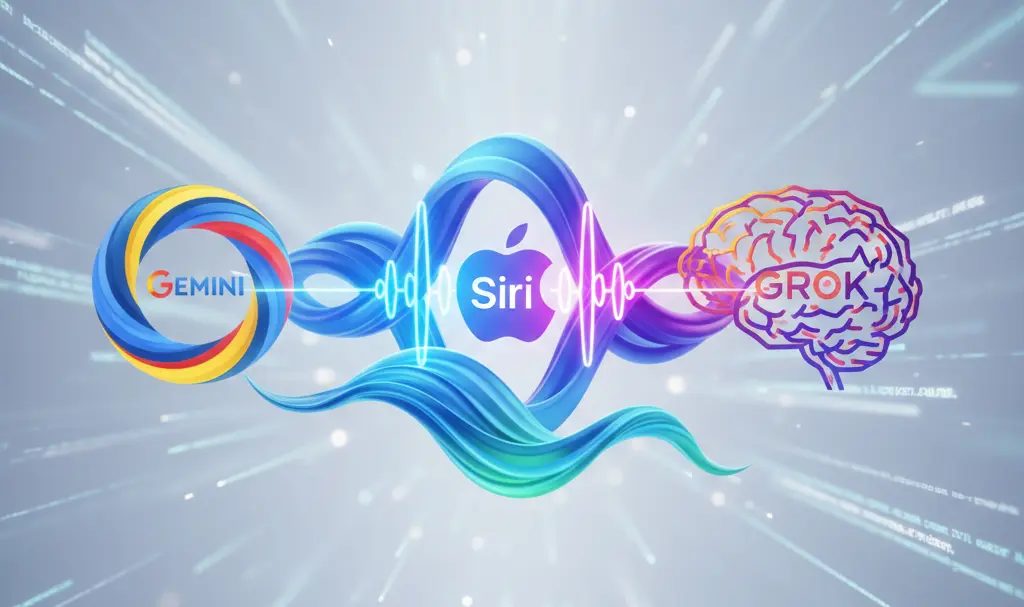
Apple, long considered a cautious player in the global AI race, is rapidly closing the gap by opening its voice assistant, Siri, to integrate with multiple popular large language models (LLMs). This strategic shift includes planned collaborations with Google Gemini, Grok, and Claude, allowing users unprecedented choice and customization in their AI interactions, and marking the end of ChatGPT’s exclusive partnership with Siri.

Google Introduces Gemini 3.1 Flash Live: A New Era of AI Conversation and Voice Search

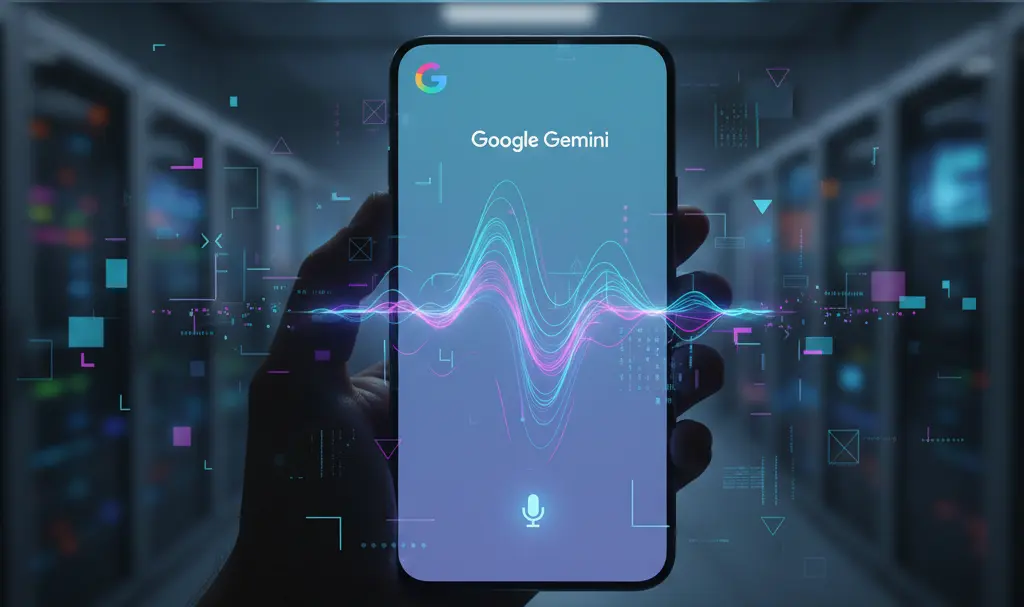
Discover Google’s latest innovation, Gemini 3.1 Flash Live, a groundbreaking engine that makes AI conversations as natural as talking to another human. This update significantly enhances real-time interaction, recognizing human emotions through vocal nuances and offering faster, more context-aware responses. Learn how this largest-ever update to Gemini Live and Search Live is transforming AI communication globally.

Make a Typo or You’re AI. A Linguist Explains How to Recognize Bot Text.

The rise of AI has created a perplexing paradox: linguistic perfection is now often mistaken for artificiality. This article explores how human creators are grappling with the pressure to appear ‘imperfect’ to signal authenticity, the psychological toll of using AI tools, and the blurring lines between human and machine creativity in writing, design, and music, drawing insights from linguistic experts and industry trends.

Apple Announces AI Advancements. WWDC26 Could Be a Breakthrough.

Apple has officially confirmed the dates for its annual Worldwide Developers Conference (WWDC) 2026, scheduled for June 8-12. This year’s event is poised to be a pivotal moment for the tech giant, with an unprecedented focus on artificial intelligence advancements across its platforms. Discover what Apple has in store to redefine its AI strategy and enhance its ecosystem for users and developers alike.

AI-Generated Fake News Floods Global Information Network. EU Report Reveals Scale of Threat

A new report from the European External Action Service (EEAS) reveals a staggering 259% increase in AI’s use for foreign disinformation campaigns in 2025. With Russia and China as primary actors, AI-generated texts, deepfakes, and synthetic media are eroding public trust and targeting key figures globally, posing a severe threat to democratic processes and information integrity.

Elon Musk Reveals Megaproject Details: The Space Industry Stands to Benefit

Elon Musk has officially announced the Terafab project, a new semiconductor manufacturing facility in Austin, Texas. This factory will produce advanced 2-nanometer chips for AI, robotics, and space infrastructure, with supervision from Tesla and SpaceX. The investment aims to accelerate semiconductor development and support Musk’s ventures, alongside plans to double Tesla vehicle production.

Meta’s Bold Move: AI to Become a Board Advisor

Meta CEO Mark Zuckerberg plans to introduce an AI agent as a board advisor, aiming to revolutionize decision-making and productivity. This strategic move, part of Meta’s broader AI integration, seeks to streamline data retrieval and minimize internal friction. However, the company is advised to exercise caution, following a recent incident where an AI agent made a critical error, highlighting the necessity for robust oversight in AI implementation.

AI Revolution Canceled? Microsoft Quietly Shifts Strategy

After two years of aggressively pushing an AI revolution with Copilot integrated into every facet of Windows and Microsoft 365, Microsoft appears to be quietly retreating from its ambitious, pervasive AI strategy. Reports suggest a shift towards more discreet, localized AI functions, as user feedback points to concerns over ‘AI bloat’ and inconsistent implementation, prompting a reevaluation of the once-ubiquitous digital assistant.

Pentagon Accelerates Digital Revolution. Palantir the Main ‘Sponsor’ of AI for the American Army

The Pentagon is making Project Maven, an AI system developed by Palantir, a permanent fixture in U.S. military operations, sparking widespread debate on the ethics of artificial intelligence in warfare. This move ensures long-term funding and broad deployment of AI to process vast amounts of intelligence data for threat detection and target identification, promising operational advantages but raising significant concerns about algorithmic bias and human control.

Will Apps Disappear from Smartphones? Nothing CEO Announces a Revolution

Carl Pei, founder of Nothing, forecasts the end of traditional smartphone applications, envisioning a future dominated by AI agents. These intelligent systems will understand user intentions and execute tasks seamlessly, transforming the smartphone experience from a grid of icons to an intuitive, AI-driven interface. This article explores Pei’s revolutionary vision, how AI agents will function, and Nothing’s plans to lead the ‘AI-first’ smartphone era.

Doctor Used ChatGPT for ER Discharge Summary. Hospital Responds to Allegations

A recent social media post sparked controversy after it appeared a doctor used AI to draft an emergency room discharge summary. The hospital has since clarified that the AI tool was used solely for linguistic correction, not diagnosis, and no sensitive patient data was compromised. This incident highlights the evolving role of AI in healthcare and the ongoing debate surrounding its ethical implementation.