Contents
The Rise of Picture-in-Picture Ads in European Television: A New Era for Viewers
The broadcast of the award-winning film Oppenheimer on a major European television channel on Monday, March 23, 2026, marked a significant moment for many viewers: their first encounter with picture-in-picture (PiP) advertisements. Unsurprisingly, public reaction across social media has been predominantly negative. While consumers today have more options than ever for consuming content, the current landscape of advertising in both traditional television and streaming services presents a complex and often frustrating choice.
European Television’s Evolving Stance on Advertising
For decades, European television largely maintained a different approach to advertising compared to its American counterparts. Anyone who has tuned into live broadcasts from the United States—be it film awards, major sports leagues, or even past series premieres—is familiar with the high frequency of commercials. It’s common for a 30-minute segment to contain up to 8 minutes of advertising.
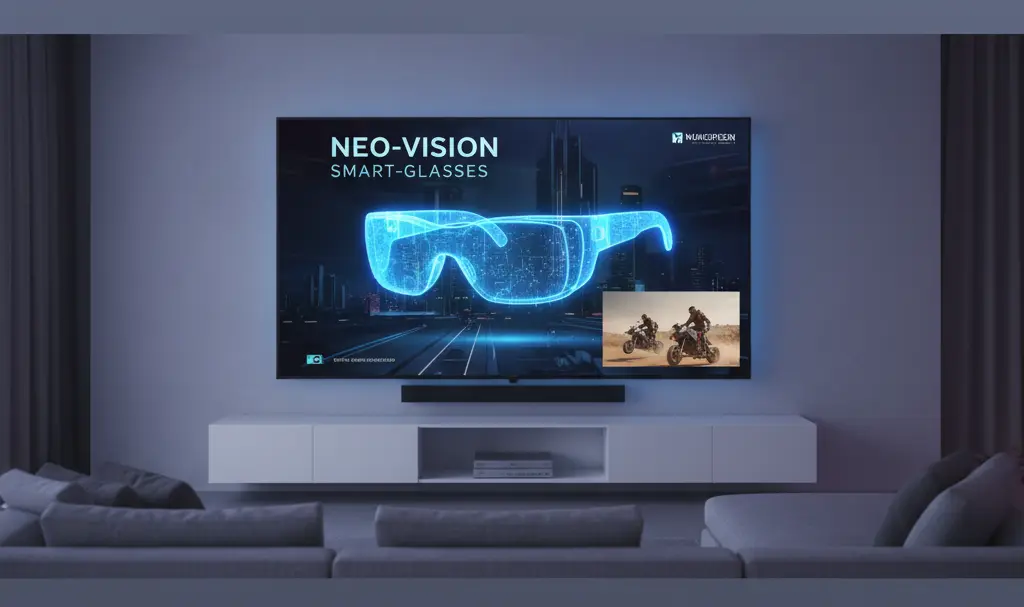
This situation is often amplified during sports transmissions, where every timeout or break offers an ideal opportunity for multiple ad spots. Furthermore, American broadcasters have long utilized the picture-in-picture format, shrinking the main program window to display static or video advertisements alongside the content.
A recent social media post by Marcin Kosman, widely shared, captured the sentiment regarding these new ad formats:
“I usually just ‘scroll through’ TV; if I had to watch 4 hours of Oppenheimer on [this channel] with these ‘attractions,’ I think I’d go crazy.”
— Marcin Kosman (@Kosowsky_) March 23, 2026
These picture-in-picture advertisements were recently piloted by a prominent European broadcaster. Given that Oppenheimer is a well-known film, many viewers tuned into the main, free-to-air channel for the first time in a long while. It’s worth noting that advertising limits in this region are typically set at approximately 72 minutes of commercials per 6 hours of programming, averaging around 12 minutes per hour. Additionally, public service broadcasters often have stricter rules, allowing advertisements only between programs.
The Impact of Ads: Rethinking Our VOD Choices
The post by Marcin Kosman on social media platform X (formerly Twitter) was met with widespread derision, particularly a humorous, albeit futuristic, depiction of the same advertisement where the Oppenheimer window had become comically small. This highlights the core tension between advertisers’ desire for visibility and viewers’ desire for uninterrupted content.
However, it’s challenging to fault a private broadcasting station for displaying advertisements, a practice they have maintained for over three decades. The current situation, while intrusive for some, is still a far cry from more extreme examples, such as a Chilean television station in 2003 famously integrating beer commercials directly into its broadcasts of the Star Wars films, surprising viewers with ads that seemed to blend into the movie itself.
Over three minutes of marketing audacity from 2003. Undeniably, these Star Wars ads simply became iconic, and the Chilean beer gained global recognition. Source: Absolute Wasak / YouTube
Many hoped that the proliferation of video-on-demand (VOD) services would offer an escape from the deluge of television commercials. Unfortunately, a growing number of these services are now also incorporating advertisements into their subscription plans. For instance, accessing premium streaming content without ads before a show or during pauses might come at an additional monthly cost. An even higher price point might be required for features like 4K resolution.
Household budgets are not infinite, forcing many consumers to make a decision: do they opt for one premium VOD service without ads, or subscribe to several ad-supported ‘channels’ at a lower overall price? Many consumers are gravitating towards the first option, preferring a single, slightly more expensive service that guarantees an ad-free experience. This is often complemented by renting specific films as needed, avoiding additional subscriptions.
Nevertheless, recent data suggests that a significant number of people are embracing ad-supported plans. According to the global Digital I report, which includes international data, as many as 82% of Amazon Prime Video subscribers choose the ad-supported package. This figure stands at 44% for Disney+, 40% for Netflix, and only 28% for a prominent premium streaming service like HBO Max.
How do these trends affect your viewing habits? Are you willing to tolerate some advertisements within VOD services, will you pay extra to avoid them, or might you consider abandoning legal methods of watching films and series altogether?
Frequently Asked Questions (FAQ)
What are picture-in-picture (PiP) ads and why are they controversial?
Picture-in-picture (PiP) ads involve shrinking the main television program or movie into a smaller window, while a separate advertisement plays prominently in the larger portion of the screen. They are controversial because they interrupt the viewing experience, distract from the primary content, and are perceived by many viewers as intrusive and degrading to the quality of the broadcast.
How do ad loads in traditional television compare internationally, and what about VOD services?
Ad loads in traditional television can vary significantly. In some regions, like the United States, it’s common to see a high ratio of ads (e.g., up to 8 minutes per 30 minutes of content), often including PiP formats. In other regions, like parts of Europe, regulations may limit ads to around 12 minutes per hour, with public broadcasters having even stricter rules. For Video-on-Demand (VOD) services, the trend is shifting. While initially marketed as ad-free, many now offer cheaper, ad-supported tiers or charge a premium for an entirely ad-free experience, blurring the lines between traditional TV and streaming models.
Why are streaming services introducing ad-supported tiers, and how does this affect consumer choice?
Streaming services are introducing ad-supported tiers primarily to expand their subscriber base by offering lower-priced options and to generate additional revenue streams in a competitive market. This strategy allows them to offset rising content production costs and maintain profitability. For consumers, this creates a new set of choices: opt for a more affordable plan with advertisements, pay a higher premium for an uninterrupted viewing experience, or potentially choose to subscribe to fewer services overall due to budget constraints.
Source: Original reporting.
Opening photo: Andranik123 / Adobe Stock / Marcin Kosman / X, self-assembly.
About Post Author