
Contents
Europe’s Strategic Fuel Reserves: A Critical Analysis of Readiness
The Alarming Reality of Europe’s Energy Security
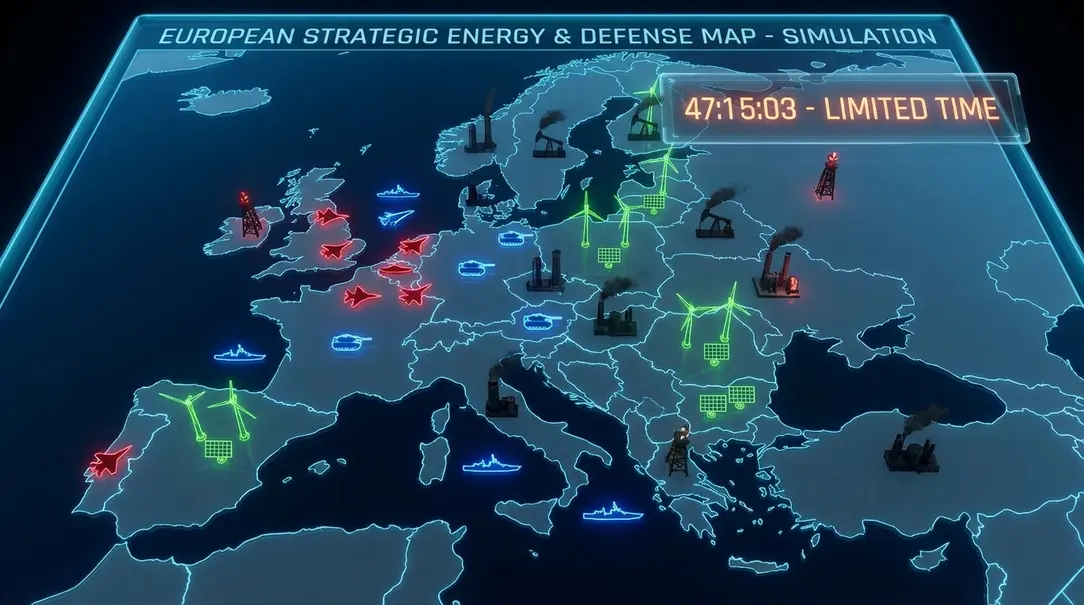
Recent discussions on European security highlight a concerning vulnerability: the continent’s current fuel reserves are estimated to last only about three months in the event of a large-scale military conflict. This revelation, frequently appearing in security debates, underscores the fragile foundation upon which Europe’s defense capabilities currently rest.
Three Months of Reserves: A Ticking Clock for Maneuverability
Reports, including those from the German service N-tv, indicate that Europe’s reliance on limited fuel reserves presents a significant challenge. Should a full-scale armed conflict erupt, the existing fuel stockpiles would be depleted within approximately three months of intensive operations. Such a scenario would leave military forces and critical civilian services without essential energy, leading to widespread paralysis.
Fuel as the Linchpin of Modern Defense and Society
Experts emphasize that fuel is unequivocally central to any nation’s defense capabilities. Without it, modern military assets—such as fighter jets, naval vessels, tanks, and logistical transport—are rendered inoperable. The ripple effect would extend rapidly to the civilian sector, crippling essential services like hospitals, emergency response teams, and supply chains. This energy deficit would effectively paralyze a nation far quicker than many might anticipate.
Critical Infrastructure: A Primary Target and Major Vulnerability
An additional layer of risk stems from the concentration of Europe’s fuel infrastructure. The continent relies on approximately 60 refineries that form the backbone of its fuel supply network. Lessons learned from recent conflicts, such as the war in Ukraine, starkly demonstrate that energy infrastructure is often among the first targets of attack. Damage to these vital facilities could drastically shorten the effective lifespan of existing fuel reserves, potentially reducing them to a mere few weeks.
- Europe’s 60 refineries are crucial but vulnerable.
- Experience from the war in Ukraine shows energy infrastructure is a primary target.
- Damage to these facilities could reduce usable reserves to just weeks.
Green Energy: A New Frontier for National Defense
Discussions among defense and energy industry representatives, as highlighted by N-tv, suggest that merely accumulating larger reserves is not the sole answer to this looming threat. A more sustainable and resilient approach involves:
- Diversifying Fuel Production: Reducing dependence on external fuel suppliers.
- Developing Resilient Local Energy Sources: Investing in decentralized installations based on renewable energy.
- Synthetic Fuels: Exploring the production of synthetic fuels from renewable sources, even under conflict conditions.
This shift proposes that green energy is not just an environmental initiative but a critical component of national and European security. Decentralized renewable energy systems could offer a more secure and robust energy supply, less susceptible to large-scale attacks on centralized infrastructure.
The Strategic Imperative of Energy Transformation
Analysts underline that the capacity for endurance—the ability to sustain operations over time—has become a paramount military competence. Even the most advanced equipment is useless without the energy to power it. In this context, the ongoing energy transition moves beyond solely addressing climate concerns; it emerges as a fundamental pillar of national and European security strategies.
Frequently Asked Questions (FAQs)
How long would Europe’s fuel reserves last in a major conflict?
Current estimates suggest Europe’s strategic fuel reserves would last approximately three months during intensive, large-scale military operations. However, this period could be significantly shortened if critical fuel infrastructure, such as refineries, were targeted and damaged.
Why is energy security so crucial for national defense?
Energy, particularly fuel, is the lifeblood of modern military operations. Without it, fighter jets, tanks, naval vessels, and logistical transport cannot function. Beyond the military, energy is vital for civilian essential services like hospitals, emergency response, and supply chains, meaning a lack of fuel can quickly lead to national paralysis.
What role can green energy play in enhancing defense capabilities?
Green energy and decentralized renewable sources offer a pathway to enhanced energy security by reducing reliance on vulnerable, centralized fossil fuel infrastructure and external suppliers. Developing local, resilient energy production, including synthetic fuels from renewables, could provide a more robust and secure energy supply even during conflicts.
What are the primary vulnerabilities of Europe’s fuel infrastructure?
Europe’s fuel supply heavily depends on approximately 60 refineries. These centralized facilities are critical points of failure and, as seen in recent conflicts, are often priority targets for adversaries. Their damage or destruction could severely cripple fuel supply and drastically reduce the effective duration of existing reserves.
About Post Author
