Contents
Polish Consumer Watchdog Charges HBO Europe Over Device Compatibility Issues
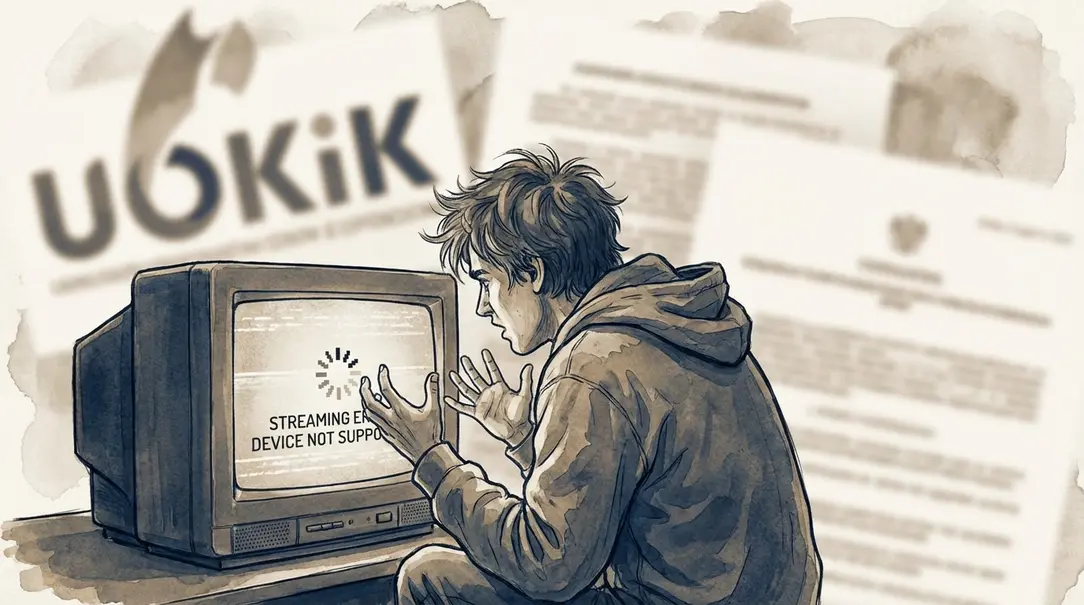
Poland’s Office of Competition and Consumer Protection (UOKiK) has initiated proceedings against HBO Europe, the company behind the popular streaming service HBO Max. The consumer watchdog alleges that HBO Europe engaged in practices that violate the collective interests of consumers, specifically by unilaterally removing support for older Smart TVs and set-top boxes, effectively forcing subscribers to purchase new equipment to continue accessing their paid service.
This action by UOKiK highlights a growing concern regarding subscription services and their evolving compatibility requirements, putting consumer rights at the forefront.
Understanding the Allegations Against HBO Europe
Tomasz Chróstny, President of UOKiK, launched an explanatory proceeding following numerous consumer complaints. The core of the issue revolves around HBO Max (formerly HBO GO) making unilateral changes to its list of compatible devices. Consumers, who had paid for access and installed the application on their existing hardware, found that their devices were later removed from the supported list without adequate warning or explanation.
The specific allegations against HBO Europe include:
- Unilateral Device Removal: Arbitrarily taking models off the list of compatible devices.
- Lack of Clear Contract Information: Failing to provide explicit details about device compatibility changes in the service agreement confirmation.
- Imprecise Technical Requirements: Using vague language regarding technical specifications, such as “the latest system and two previous versions,” making it difficult for consumers to understand future compatibility.
- No Service Guarantee: Not guaranteeing the service would operate for the entire subscription period on hardware that was compatible at the time the agreement was signed.
President Chróstny emphasized the unfair position this puts consumers in:
“Unilaterally restricting the list of compatible devices places HBO users in a ‘if you want to watch, buy a new device’ situation. Meanwhile, devices such as televisions are purchased with the intention of using them for years. Without clear and precise rules and limits for these changes, consumers cannot foresee or verify the risk of losing access to the service when entering into a contract.”
— Tomasz Chróstny, President of UOKiK
UOKiK is also investigating whether the way HBO informed consumers about technical requirements – via general terms and conditions or website content without a “durable medium” (a form that allows information to be stored and accessed for a period adequate for the purposes for which it is intended, e.g., PDF download) – genuinely allowed them to assess the risk of losing access to the service.
Potential Consequences for HBO Europe
If found guilty of violating collective consumer interests, HBO Europe could face significant penalties. Under Polish consumer protection laws, the company could be fined up to 10% of its annual turnover for each violation. Furthermore, UOKiK could mandate HBO Europe to rectify the negative impacts on consumers, which might include refunding unjustly collected subscription fees to affected users.
As of this report, HBO (the entity responsible for HBO Max) has been contacted for comment, and updates will be provided as soon as a response is received.
Broader UOKiK Actions Against Subscription Services
The case against HBO Europe is not an isolated incident but rather part of a larger, ongoing initiative by UOKiK to scrutinize and regulate practices within the subscription services market. The Polish watchdog has been actively working to ensure fair play and transparency across various digital platforms:
- Netflix: UOKiK previously challenged Netflix for increasing subscription fees without obtaining explicit consent from users, leading to changes in their practices.
- Amazon (Prime/Prime Video): Following UOKiK’s intervention, Amazon adjusted its practices concerning Prime and Prime Video subscriptions.
- Ongoing Investigations: The Office is currently analyzing the terms and conditions and operational practices of several other major tech and entertainment companies, including Apple, Disney+, Google (for YouTube Premium), Microsoft (for GamePass), Sony (for PlayStation Plus), and Adobe. Some of these companies have already indicated a willingness to implement changes.
These actions underscore UOKiK’s commitment to protecting consumers in the rapidly evolving digital subscription landscape, ensuring that terms are clear, changes are communicated transparently, and users receive the service they pay for on compatible devices.
Frequently Asked Questions (FAQ)
What is UOKiK?
UOKiK stands for Urząd Ochrony Konkurencji i Konsumentów, which translates to the Office of Competition and Consumer Protection. It is the primary governmental body in Poland responsible for safeguarding consumer rights and fostering fair competition in the market.
What does “unilateral removal of models” mean in this context?
It means that HBO Max, without prior negotiation or explicit agreement with its subscribers, decided to stop supporting certain device models that were previously compatible with its service. This change was implemented by HBO Max alone, without consumer input or consent.
How does this impact consumers?
Consumers who paid for an HBO Max subscription and relied on a specific device (like an older Smart TV) to access the service found themselves unable to watch content, despite having an active subscription. This effectively forces them to buy new, often expensive, hardware to continue using a service they’ve already paid for.
What is a “durable medium”?
In consumer law, a durable medium is any instrument that enables a consumer to store information addressed personally to them in a way accessible for future reference for a period adequate for the purposes of the information, and which allows the unchanged reproduction of the information stored. Examples include paper, USB sticks, CDs, DVDs, memory cards, computer hard drives, and emails with attachments. Websites typically are not considered durable mediums unless specific provisions are made to ensure the information remains static and accessible for the consumer.
Could this happen with other streaming services?
Yes, as indicated by UOKiK’s broader investigations, similar issues could arise with other subscription services. UOKiK is actively reviewing practices across various platforms to ensure consumer protection standards are met universally.
About Post Author