
Contents
Iran’s Cyber Threat: Targeting Big Tech in the Persian Gulf
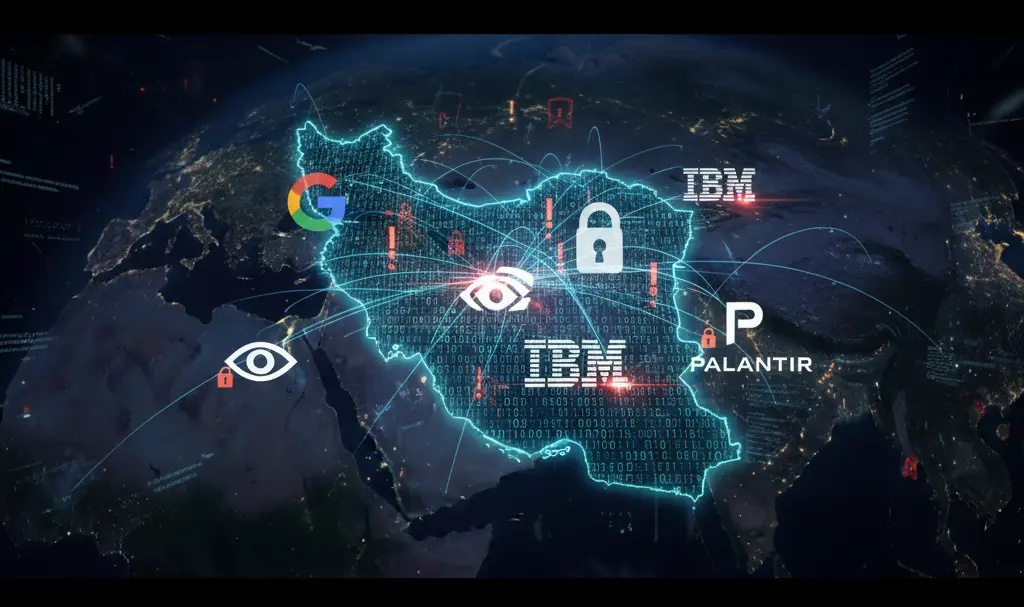
Iranian authorities have reportedly declared intentions to launch a series of cyberattacks against major technology companies operating within the Persian Gulf region. These actions are framed as retaliation for alleged U.S. and Israeli operations, specifically the purported elimination of Ayatollah Ali Khamenei in late February 2026. This escalation places not only some of the world’s wealthiest corporations but, more importantly, their employees, in a state of heightened uncertainty.
Which Companies Are Potential Targets?
Media outlets aligned with the Iranian regime have identified a list of 29 potential targets for these retaliatory strikes. The alleged targets include the Persian Gulf offices of prominent tech giants such as Amazon, Google, IBM, NVIDIA, and Palantir, among others. These claims suggest a broad sweep targeting critical infrastructure and data centers developed by these companies.
The Stated Timeline and Strategic Importance
Official communications from the Iranian regime, reportedly disseminated via Telegram, indicate that these attacks are scheduled to commence on April 1, 2026, at 7:00 PM Central European Summer Time (CEST).
Many American firms had significantly invested in the Persian Gulf region prior to this alleged conflict, viewing it as a strategic location for the development of multi-billion dollar artificial intelligence infrastructure. The region’s appeal for AI development often stems from factors like favorable regulatory environments, access to energy, and strategic geographic positioning.
Allegations Against Tech Firms
Iranian authorities assert that these targeted tech companies facilitated the successful elimination of Ayatollah Ali Khamenei by the U.S. and Israel. A specific accusation has been leveled against Palantir, claiming it provides the Pentagon with an artificial intelligence program. This program is reportedly used to identify future targets through satellite imagery and drone data, directly linking commercial technology to military intelligence operations. For more on the integration of AI in military strategies, read our article on Pentagon AI, Maven, Palantir, Military Integration, and Ethics.
This situation highlights the growing convergence of digital infrastructure and geopolitical conflict, a phenomenon sometimes referred to as digital warfare.
Regional Conflict and Potential Escalation
In response to the escalating tensions, the United States is reportedly considering deploying 10,000 troops to the Middle East, signaling preparations for a potential ground invasion. Since the reported outbreak of this conflict, estimates suggest approximately 2,000 Iranians and 13 U.S. military personnel have lost their lives.
This precarious situation underscores the complex interplay of technology, geopolitics, and military strategy in the modern era.
Frequently Asked Questions (FAQ)
What is the primary motivation behind Iran’s alleged cyberattack threats?
According to Iranian authorities, these threats are retaliatory measures following alleged U.S. and Israeli actions, specifically the reported elimination of Ayatollah Ali Khamenei. Iran claims certain tech companies facilitated these operations.
Why are major tech companies like Amazon, Google, and NVIDIA operating in the Persian Gulf?
Many major tech companies have invested significantly in the Persian Gulf region due to its strategic location, potential for market growth, and often favorable conditions for developing large-scale infrastructure, particularly for artificial intelligence and data centers.
What are the broader implications of these alleged threats for global cybersecurity and international relations?
These alleged threats highlight the increasing risk of digital infrastructure becoming targets in geopolitical conflicts, raising significant concerns about global cybersecurity, data integrity, and the safety of personnel working for international corporations in conflict zones. It could also lead to further diplomatic and military escalation, impacting international relations.
Source: WIRED
Opening photo: Gemini
About Post Author
