
Contents
Life After Google and Amazon: Can We Escape Big Tech?
An increasing number of individuals are questioning the dominance of American tech giants and seeking viable alternatives. It turns out that changing established habits can be simpler than anticipated, with the European market now offering a surprisingly broad selection of “ethical substitutes.”
The World Extends Beyond Google, Amazon, and OpenAI
According to an analysis published in The Guardian, the rising frustration with major tech companies is no longer solely about privacy concerns. It also encompasses accusations of market monopolization, exploitation of user data, tax avoidance, and the political affiliations of Silicon Valley executives. Furthermore, there’s a growing sentiment regarding the declining quality of services, which over the years have become more focused on maximizing profits rather than enhancing user convenience.
Searching Beyond Google: Ethical Alternatives Emerge
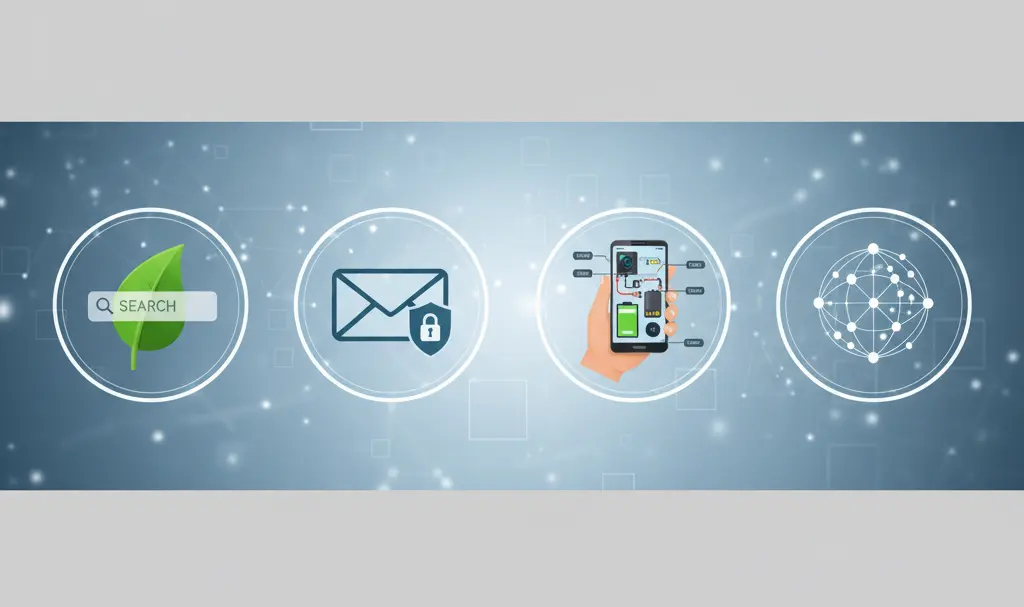
Google’s search engine, for instance, has controlled approximately 90% of the market for years. However, alternatives like Ecosia offer a greater commitment to privacy. The German company notably pledges to use its profits for planting trees and investing in renewable energy sources. Similarly, the UK’s Mojeek and France’s Qwant are developing their own independent search engines.
Browsers and Email: Prioritizing Privacy and Security
A similar trend is evident in web browsers and email services. While products tied to the ecosystems of Apple, Microsoft, or Google have largely dominated, solutions like LibreWolf and the Swiss-based Proton Mail are gaining popularity. For a small fee, typically a few USD per month, users benefit from greater transparency regarding data policies and stronger data encryption. This subscription-based business model signifies that the customer is no longer merely a product being sold to advertisers.
Ethical Hardware: Smartphones and Beyond
The shift towards ethical alternatives can also extend to hardware. The Dutch company Fairphone has emerged as a symbol of ethical electronics. The company champions a transparent supply chain, easy device repairability, and minimizing the use of raw materials sourced from conflict-affected regions. In social responsibility rankings, Fairphone significantly outperforms industry titans like Apple and Samsung.
Online Shopping Without Amazon’s Grip
Moving away from giants proves more challenging in the realm of e-commerce. Amazon offers a scale, pricing, and logistics that few can rival. Despite this, advocates for alternatives encourage consumers to purchase refurbished equipment, support local bookstores, or utilize platforms that empower independent sellers.
Social Media: The Quest for Decentralized Connections
The most complex situation lies within social media, where the network effect often impedes migration. Nevertheless, interest persists in decentralized platforms such as Mastodon and the American-developed Bluesky. These platforms offer less aggressive algorithms and greater control over content, although their scale remains incomparable to giants like Facebook.
Conclusion: Reducing Dependence, One Step at a Time
While a complete break from Big Tech seems largely unrealistic, an increasing number of users and institutions are actively attempting to limit their dependency. As examples highlighted by The Guardian demonstrate, alternatives exist in almost every category of digital services. Choosing these alternatives is not just a matter of functionality, but perhaps even more so, a question of aligning with personal values.
Frequently Asked Questions (FAQ)
Why are people looking for alternatives to Big Tech companies?
Users are increasingly concerned about privacy, market monopolization, data exploitation, tax avoidance, political influence, and a perceived decline in service quality that prioritizes profit over user experience.
What are some ethical search engine alternatives to Google?
Ecosia (funds tree planting), Mojeek (independent index), and Qwant (privacy-focused) are popular ethical alternatives that prioritize user privacy and often have social or environmental missions.
Are there alternatives for secure email and browsing?
Yes, browsers like LibreWolf offer enhanced privacy, while services like Proton Mail provide end-to-end encrypted email with a subscription model, ensuring user data is not sold for advertising.
Can I find ethically produced smartphones?
Fairphone is a notable example of an ethically produced smartphone. The company focuses on transparent supply chains, ease of repair, and responsible sourcing of materials, setting a high standard for social responsibility in electronics.
Source: The Guardian, original research. Opening photo: Gemini
About Post Author
