
Contents
Unlocking the Dream World: Why Lucid Dreaming is More Common Among Gamers
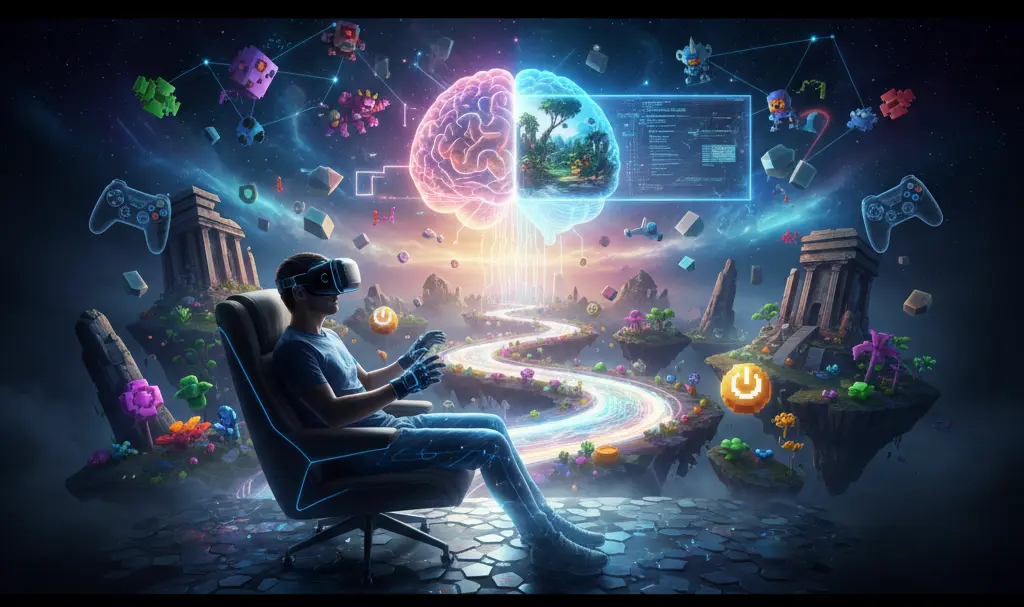
Imagine being fully aware that you’re dreaming, perhaps even taking control of the narrative of your own dream. This fascinating phenomenon is known as lucid dreaming. While captivating, it’s a rare experience; studies suggest that only about 1% of the population regularly experiences lucid dreams. Interestingly, this rare ability is observed more frequently among video game players, a connection that researchers believe stems from their unique aptitude for creating and navigating alternative realities.
What is Lucid Dreaming?
Lucid dreaming refers to a state where an individual becomes conscious and aware that they are in a dream. Although the term itself emerged in the early 20th century, scientific research on the phenomenon under laboratory conditions only began to take off in the 1980s.
During a lucid dream, brain activity closely resembles a transitional state between sleeping and waking. Researchers from SWPS University, in a review published in Neuropsychiatry and Neuropsychology, describe how this allows the dreamer to retain elements of self-awareness, analyze their dream environment, and even make conscious decisions within the dream.
The Rarity of Conscious Dreams
Despite its intriguing nature, lucid dreaming is not a common occurrence. Research findings indicate that:
- Less than half of all people experience a lucid dream at least once in their lifetime.
- Approximately 20% of individuals experience it about once a month.
- Only about 1% of the population experiences lucid dreams as frequently as once a week, making regular lucid dreaming a truly exceptional skill.
Gamers and Lucid Dreaming: A Unique Connection
Among the small percentage of regular lucid dreamers, there’s a notable overrepresentation of video game players. This trend is particularly evident among those who engage with interactive technologies such as Virtual Reality (VR) or Kinect, according to an analysis conducted by researchers from the University of Central Arkansas and Hendrix College.
Why the Link? Exploring the Theories
The authors of these studies suggest a compelling common denominator between dreams and video games: both involve the creation of an alternative reality. In these realities, individuals make decisions, explore environments, and react to unpredictable situations. Spending countless hours immersed in gaming might serve as a form of “training,” preparing the brain for the unique mental state required for lucid dreaming.
Furthermore, psychologist Jayne Gackenbach highlights that gamers often exhibit enhanced spatial orientation and greater concentration—traits also observed in individuals adept at lucid dreaming. Virtual world enthusiasts also frequently report experiencing dreams from a first-person or third-person perspective and tend to feel a greater sense of agency or control during their dreams, mirroring the control experienced in gaming.
Expanding Your Understanding of Dreams
The connection between gaming and lucid dreaming offers fascinating insights into the human mind’s capacity for creating and navigating complex realities, both waking and sleeping. This unique skill, while rare, underscores the intricate relationship between our daily experiences and the landscape of our subconscious.
Frequently Asked Questions (FAQ)
What is lucid dreaming?
Lucid dreaming is a state during sleep where the dreamer becomes aware that they are dreaming. In some cases, they can even take control of the dream’s narrative and environment.
How common is lucid dreaming?
Lucid dreaming is quite rare. Less than half of people experience it once in their lifetime, about 20% once a month, and only around 1% experience it regularly (e.g., once a week).
Why are gamers more likely to have lucid dreams?
Researchers believe gamers are more prone to lucid dreaming because both gaming and dreaming involve navigating and making decisions within alternative realities. The constant practice in virtual worlds may train the brain for the cognitive processes involved in lucid dreaming, such as spatial awareness, concentration, and a sense of agency.
Can anyone learn to lucid dream?
While some people naturally experience lucid dreams, there are various techniques and practices, such as reality testing and dream journaling, that individuals can use to increase their chances of experiencing lucid dreams. Success rates vary widely among individuals.
Source: Original research. Opening photo: Gemini
About Post Author
