
Contents
Opel Airbag Recall: Stellantis Clarifies Steps for Owners Amid Global Safety Campaign
A significant vehicle recall concerning defective Takata airbags in Opel cars garnered widespread attention. Confusion surrounding the process for vehicle owners to report and participate in this safety campaign has been addressed. Wojciech Osos, PR Director for Stellantis (Opel’s parent company), recently clarified these details.
The Global Issue: Popular Vehicles Equipped with Faulty Airbags
Opel passenger cars have long been a common sight on roads worldwide. However, it was discovered that many vehicles manufactured by the Rüsselsheim-based company over several years were fitted with faulty Takata airbags. These airbags pose a serious safety risk to occupants due to a defect that can cause them to rupture unexpectedly during deployment, potentially spraying metal fragments and causing severe injury or even fatality.
This critical issue cannot be underestimated, especially since these specific airbags were installed in vehicles for over 15 years.
Affected Opel Models and Production Years:
The recall affects numerous popular Opel models. Owners of the following vehicles should check if their car is included in the recall:
- Astra: January 3, 2005 – June 11, 2014
- Vectra: July 4, 2003 – October 10, 2008
- Cascada: May 8, 2012 – August 22, 2018
- Zafira: February 25, 2011 – July 26, 2016
- Meriva: February 5, 2009 – March 24, 2017
- Astra J: February 24, 2009 – August 23, 2018
- Mokka: December 15, 2011 – June 6, 2018
- Signum: February 16, 2005 – June 19, 2008
It is also crucial to note that similar airbag issues affect certain Chevrolet models, including the Aveo, Orlando, Cruze, and Trax, manufactured between 2008 and 2017. Both Opel and Chevrolet were part of the General Motors concern during these production periods, leading to shared component suppliers.
To determine if your specific vehicle is subject to this recall, it is highly recommended to use the dedicated VIN (Vehicle Identification Number) checker available on the manufacturer’s official website. Your VIN can typically be found on your vehicle’s dashboard, driver’s side door jamb, or registration documents.
How to Participate in the Airbag Replacement Program
The process of initiating an airbag replacement can sometimes be confusing, as highlighted by initial reports of inconsistent information from different dealerships. Wojciech Osos, PR Director at Stellantis, clarified the official procedure.
Drivers of affected vehicles might receive a formal letter notifying them of the necessary service action. In some critical cases, known as “Stop-Drive” campaigns, the notification might advise immediate cessation of vehicle use due to severe safety risks.
Stellantis prioritizes sending these notifications to customers for whom they have current contact information, typically individuals who have previously utilized authorized Opel service centers. However, this does not mean other vehicle owners will be left without information.
“We undertake a range of actions to acquire missing or outdated contact details,” stated Wojciech Osos. “This includes collaborating with relevant national institutions, such as vehicle registration databases, and engaging indirect entities like insurance companies and vehicle inspection stations.”
Osos emphasized that the most significant challenges in reaching vehicle owners pertain to cars imported individually from other countries and those not serviced within the authorized dealer network, where contact information may not have been provided to the manufacturer. In these instances, the process of informing owners could take considerably longer.
For this reason, Osos urges drivers who have recently changed their address or contact information to promptly update their details within the appropriate Opel customer databases. This proactive step can significantly expedite the notification process and ensure timely access to critical safety updates.
Beyond Opel: The Extensive Reach of the Takata Airbag Crisis
It’s important to understand that Opel and Chevrolet are not the only brands affected by the defective Takata airbags. The global scope of this issue is immense, with similar recalls impacting vehicles from numerous manufacturers. For instance, Toyota initiated a recall for similar reasons in late 2023.
Tragically, many popular vehicle manufacturers worldwide installed Takata airbags in cars produced between 1998 and 2019. This widespread issue led to one of the largest and most complex automotive recalls in history.
Other Major Brands Affected by Takata Airbag Recalls Include:
- VAG Group: Volkswagen, Skoda, Audi, Seat
- Japanese Manufacturers: Honda, Nissan, Mazda
- Premium Segment: Ferrari, Mercedes-Benz
Frequently Asked Questions (FAQ)
What should I do if I suspect my Opel or Chevrolet vehicle has a faulty Takata airbag?
First, locate your vehicle’s VIN (Vehicle Identification Number). Then, visit the official Opel or Chevrolet manufacturer’s website and use their dedicated VIN lookup tool to check if your specific vehicle is included in the recall. If it is, contact an authorized dealership immediately to schedule an inspection and replacement. Even if you haven’t received a letter, checking your VIN is crucial.
Is there a cost associated with the airbag replacement?
No, all costs associated with inspecting and replacing defective Takata airbags under a recall campaign are covered by the manufacturer. This is a safety recall, and you should not be charged for the parts or labor involved in this essential repair.
My vehicle was imported or I bought it used; how does this affect the recall?
Regardless of how you acquired your vehicle or where it was originally purchased, if it’s an affected model within the specified production years, it is subject to the recall. However, notifying owners of imported or used vehicles without updated contact information can be challenging for manufacturers. It is highly recommended to proactively check your VIN online and update your contact details with the manufacturer if you haven’t already.
What are the risks if I don’t get the faulty Takata airbag replaced?
The primary risk is that in the event of a collision, the defective Takata airbag inflator could rupture upon deployment. This rupture can cause metal fragments to be propelled into the vehicle’s cabin, potentially causing severe injuries or even death to the driver or passenger. It is a critical safety issue that should be addressed without delay.
Source: Original article and public recall information.
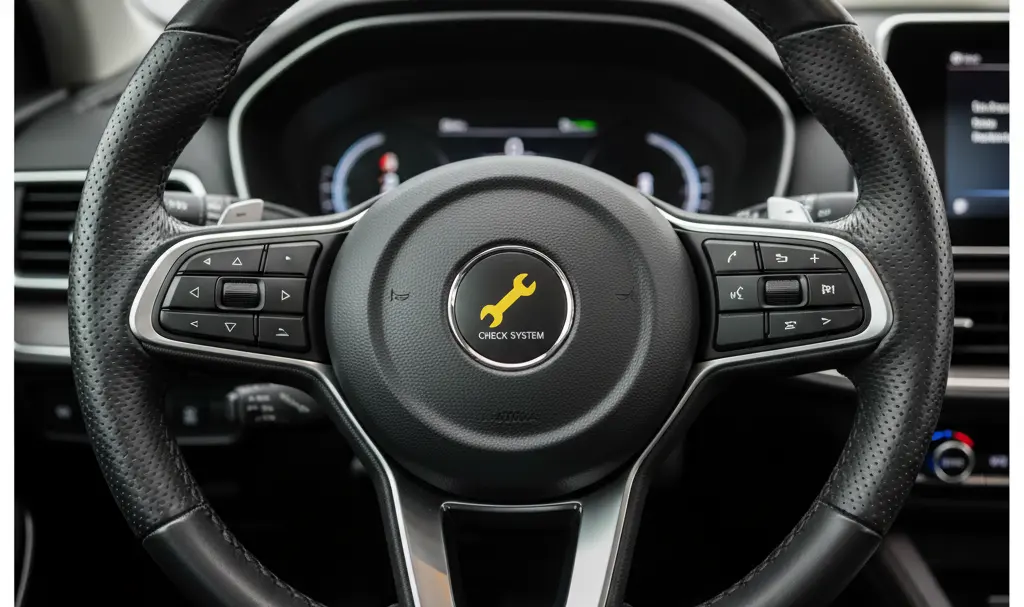
Opening photo: Airbag warning light on dashboard.
About Post Author
