Contents
The Samsung Serene: A Visionary Foldable Before Its Time
While the latest generations of Samsung Galaxy Z Flip phones represent the pinnacle of modern engineering, the fascination with “folding” electronics is far from new. A prime example of this enduring obsession is the Samsung Serene, a phone born from a unique collaboration with Bang & Olufsen in 2005. This device stands as one of the most peculiar and captivating pieces of telecommunications history, hinting at a future we’re only now fully embracing.
A Phone Designed as a Compact Case and a Work of Art
In 2005, the Korean tech giant, Samsung, joined forces with the Danish audio specialist, Bang & Olufsen, to create a device that transcended the typical phone. Dubbed the Bang & Olufsen Serene (or Samsung E910), it looked like a gadget from the future and a piece of functional art simultaneously. The Serene demonstrated that a folding phone could be much more than just a way to make a screen smaller; it could be a statement.
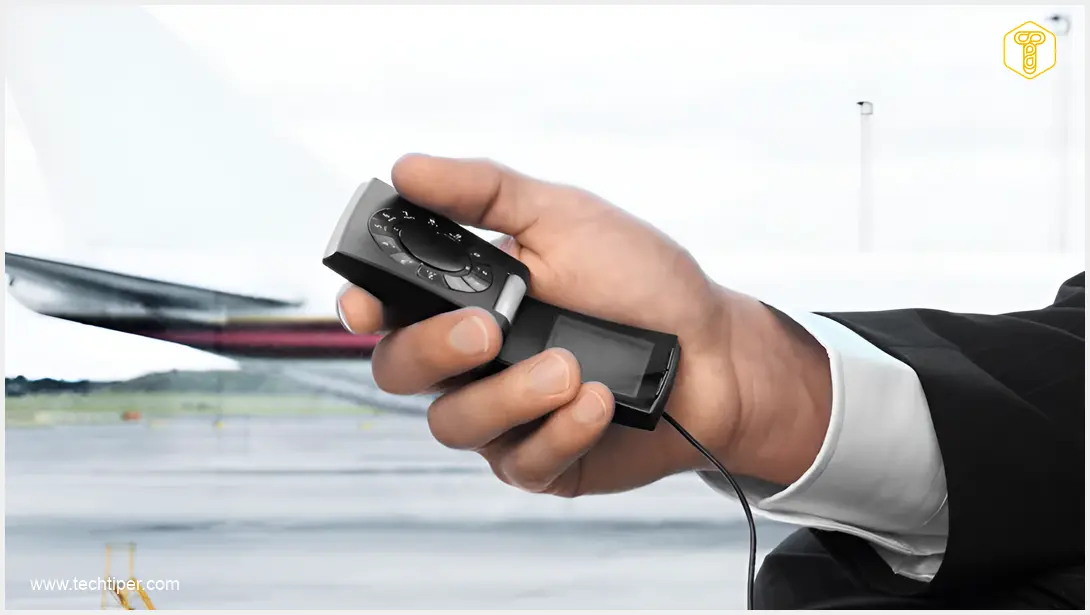
The Samsung Serene challenged conventional phone aesthetics. It didn’t resemble a typical mobile device; instead, it evoked the elegance of a sophisticated compact case or a sleek, futuristic prop from a science fiction movie. Its defining feature was its square form factor, which felt remarkably comfortable in the hand. The device opened (a process assisted by a small motor) to reveal a circular keypad, a clear nod to classic rotary dial landline phones.
Unconventional Design and User Experience
Despite its striking appearance, the Serene’s usability was, by modern standards, counter-intuitive. Someone at Samsung decided that placing the screen on the bottom flap and the keypad on the top (though configurable otherwise) made sense. Adding to its quirks, the camera was positioned on the side of the casing. The ergonomics of this model were largely symbolic; the form factor clearly took precedence over traditional functionality.
However, the design had its merits. The act of closing the flap to end a call, accompanied by a distinct mechanical *click*, was a satisfying ritual that tactile smartphones later eliminated. Perhaps this is precisely why flip phones have seen a resurgence—not just to save pocket space, but to restore a physical pleasure in interacting with a device. This desire for innovative form factors continues to drive development, with companies exploring concepts like the Samsung Galaxy Z Trifold successor development.
Beyond the Basics: What Else Did the Samsung Serene Offer?
The collaboration with Bang & Olufsen significantly influenced the Serene’s character. For instance, the ringtones were not the typical tinny MIDI sounds common at the time; they were rich and distinctly high-quality, reflecting B&O’s audio expertise.
Adding to its unique appeal, the phone came with a special branded B&O screwdriver, which was essential for… opening the battery cover and inserting the SIM card. Furthermore, the package included a chrome charging dock that resembled a modern art sculpture, emphasizing the device’s luxury positioning.
Technical Specifications and Market Reception
Despite its avant-garde design, the Samsung E910 was not technically impressive for 2005. It featured a small 2.1-inch TFT display with a modest resolution of 176×220 pixels, a 0.3-megapixel (VGA) camera, and a mere 64 MB of internal memory.
Powering the device was a removable 800 mAh battery. The phone did not support memory cards or newer data transmission standards, relying solely on GSM, Bluetooth, and a proprietary charging port. This limited functionality, combined with a high price point, ultimately led to the discontinuation of some experimental foldable concepts over the years.
Two decades ago, the Samsung Serene was a symbol of status—a market experiment affordable only to a select few. In 2006, the Serene retailed for approximately $1,275, an astronomical sum for a mobile phone at that time. It did not achieve widespread market success, but its pioneering spirit lived on.
The idea of a folding phone, which led Samsung and Bang & Olufsen designers to create a square, black compact case 20 years ago, was remarkably prophetic. It seems we always harbored a desire for phones that could fold; technology simply needed to catch up with that ambition.
Frequently Asked Questions (FAQ)
What made the Samsung Serene unique?
The Samsung Serene was unique for its collaboration between Samsung and Bang & Olufsen, resulting in a square, clamshell design with a motor-assisted opening mechanism and a circular keypad. Its focus was on luxury design and tactile experience rather than advanced technical specifications.
When was the Samsung Serene released and what was its original price?
The Samsung Serene was released in 2005. In 2006, it retailed for approximately $1,275, making it one of the most expensive mobile phones on the market at the time.
How did the Samsung Serene foreshadow modern foldable phones?
The Serene’s folding design, emphasis on a unique tactile experience (like the satisfying “click” when closing a call), and its square form factor demonstrated an early exploration into compact, innovative phone designs. It showcased a desire for devices that could fold and transform, a concept fully realized in today’s Samsung Galaxy Z Flip and Fold series.
Was the Samsung Serene a commercial success?
No, the Samsung Serene was not a commercial success. Its extremely high price point and unconventional, often impractical, design limited its appeal to a niche market of luxury consumers. However, its innovative design and artistic approach cemented its place in mobile phone history as a significant experimental device.
How does the Samsung Serene’s legacy impact contemporary phone design, particularly for brands like Samsung?
The Samsung Serene’s legacy highlights a continuous pursuit of innovative form factors and tactile user experiences. While not a direct predecessor in technology, its spirit of challenging conventional phone design undoubtedly influenced Samsung’s long-term vision. It demonstrated that users appreciate phones that offer more than just functionality—they seek devices that are also aesthetically pleasing, unique, and provide a satisfying physical interaction. This historical context underscores why Samsung continues to invest heavily in developing sophisticated foldable phones that blend cutting-edge technology with engaging user experiences.
Source: Original content, Samsung, CNBC News, YouTube, GSMarena, Wikipedia.
Opening photo: Retromobe, YouTube / screenshot
About Post Author