
Contents
Tesla Integrates WeChat in China: A Strategic Move Amidst Privacy Concerns
Tesla is rolling out a significant software update for its electric vehicles in China, introducing the highly popular messaging and social media application, WeChat. This strategic integration, developed in collaboration with Tencent, aims to enhance driver convenience and boost Tesla’s competitive edge in the crucial Chinese market. However, the move also brings forth serious privacy implications, given WeChat’s well-documented history of government surveillance.
Tesla Embraces WeChat for Chinese Market
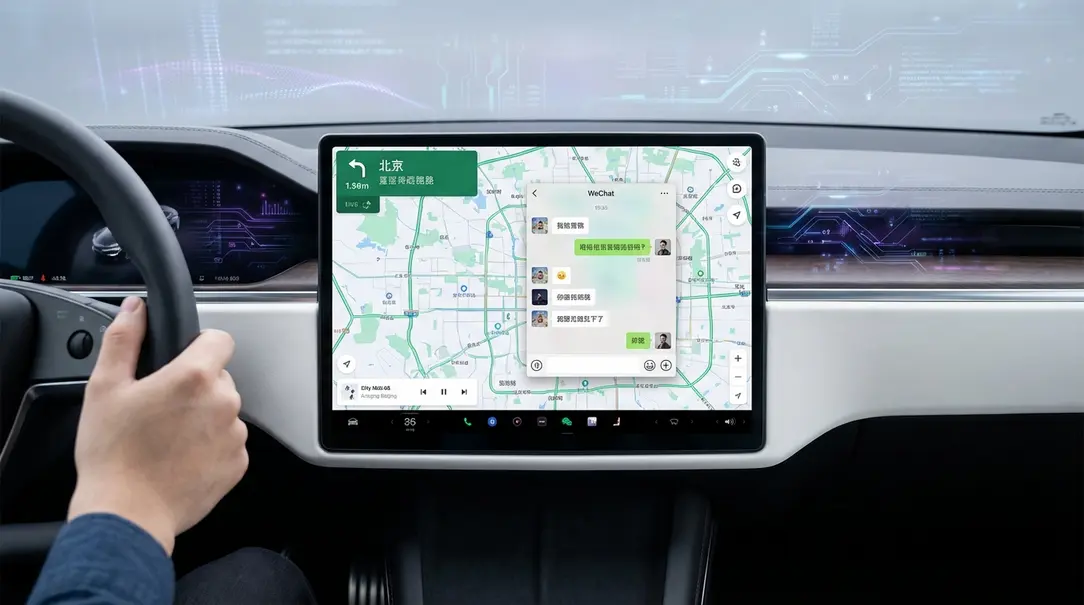
In a bid to revitalize its presence in China, over a million Tesla vehicles are set to receive an update that embeds the WeChat application directly into their infotainment systems. This crucial upgrade will specifically target Model 3 and Model Y vehicles manufactured at Tesla’s Gigafactory Shanghai.
The integration offers drivers two primary functionalities:
- WeChat Connectivity: This feature allows users to seamlessly transfer location data shared within WeChat chats directly to Tesla’s built-in navigation system, streamlining journey planning.
- Destination Services: Leveraging artificial intelligence, this option provides personalized recommendations for points of interest such as restaurants and convenient EV charging stations, enhancing the overall driving experience.
This strategic partnership with Tencent comes at a critical time for Tesla. The company faced a challenging year in China, reporting its first-ever annual sales decline of 7% year-over-year. Furthermore, Tesla recently lost its position as the world’s leading electric vehicle distributor to China’s BYD, selling approximately 600,000 fewer units globally in the last year. Integrating a ubiquitous platform like WeChat is a clear effort to regain market share and appeal to Chinese consumers.
The Dual Nature of WeChat: Convenience vs. Concerns
WeChat, a super-app developed by Tencent, is an indispensable part of daily life for hundreds of millions in China, offering everything from messaging and social media to mobile payments and ride-hailing services. Its integration into vehicles is not new; prominent brands like Mercedes-Benz, Audi, BMW, Xpeng, and BYD have already offered WeChat on their in-car multimedia screens since 2019.
However, WeChat carries a significant ‘dark side’ regarding user privacy and data security. The platform operates under strict regulations in China, which mandate data sharing with government authorities. Concerns about surveillance are widespread and well-documented by various human rights organizations and cybersecurity experts.
A notable incident reported in November last year highlighted these risks, involving allegations of Chinese government surveillance targeting WeChat users. While specific details of the breach or the extent of compromise were not fully disclosed, reports indicated that up to two million user accounts could have been at risk. For Tesla drivers, this raises serious questions about the security of their personal data, including location information shared via the new in-car integration, and communications within the app.
What This Means for Tesla Drivers in China
For Tesla owners in China, the WeChat integration presents a clear trade-off. On one hand, it promises a more connected and convenient driving experience, aligning the vehicle more closely with their digital lives. The ease of transferring navigation points and receiving AI-powered recommendations can significantly enhance daily commutes and long-distance travel.
On the other hand, the move introduces amplified privacy risks. Drivers must weigh the benefits of seamless integration against the potential for their data to be accessible by Chinese authorities. Tesla, by integrating a platform known for government oversight, is navigating a complex ethical and business landscape, aiming to satisfy local market demands while potentially exposing its users to surveillance risks inherent in operating within China’s digital ecosystem.
The Broader Implications for Tech Companies in China
Tesla’s decision reflects a broader challenge faced by international technology companies operating in China. To compete effectively and access the vast consumer market, these companies often need to comply with local regulations, which can include data localization requirements and cooperation with government agencies. This often puts them in a difficult position, balancing business growth with ethical considerations surrounding user data privacy and freedom of expression. The integration of WeChat into Teslas underscores this ongoing tension and the compromises global brands may need to make to succeed in the Chinese market.
Frequently Asked Questions (FAQ)
Q1: Why is Tesla integrating WeChat into its vehicles in China?
A1: Tesla is integrating WeChat to enhance driver convenience, improve in-car connectivity, and boost its sales and market competitiveness in China, especially after experiencing a sales decline and losing global EV leadership.
Q2: What specific features will WeChat offer in Tesla vehicles?
A2: The integration will offer “WeChat Connectivity” for transferring chat locations to navigation and “Destination Services” providing AI-powered recommendations for restaurants and charging stations.
Q3: What are the main privacy concerns associated with WeChat integration in Teslas?
A3: The primary concern is potential government surveillance. WeChat operates under Chinese laws that mandate data sharing with authorities, and there have been past reports of user accounts being at risk due to surveillance activities.
Q4: Which Tesla models are receiving this WeChat update?
A4: The update will be rolled out to Model 3 and Model Y vehicles produced at Tesla’s Gigafactory Shanghai.
About Post Author
