
Contents
The Rise of Privacy Displays: Securing Your Screen from Prying Eyes
In an increasingly public and connected world, protecting personal information on our devices has become paramount. Samsung is at the forefront of this movement, expected to introduce a groundbreaking “Privacy Display” feature on its forthcoming flagship smartphone, the Samsung Galaxy S26 Ultra, likely at a future Galaxy Unpacked event. This innovative technology promises to safeguard your screen’s content from unwanted onlookers, ensuring your digital privacy wherever you go.
What is Samsung’s Privacy Display?
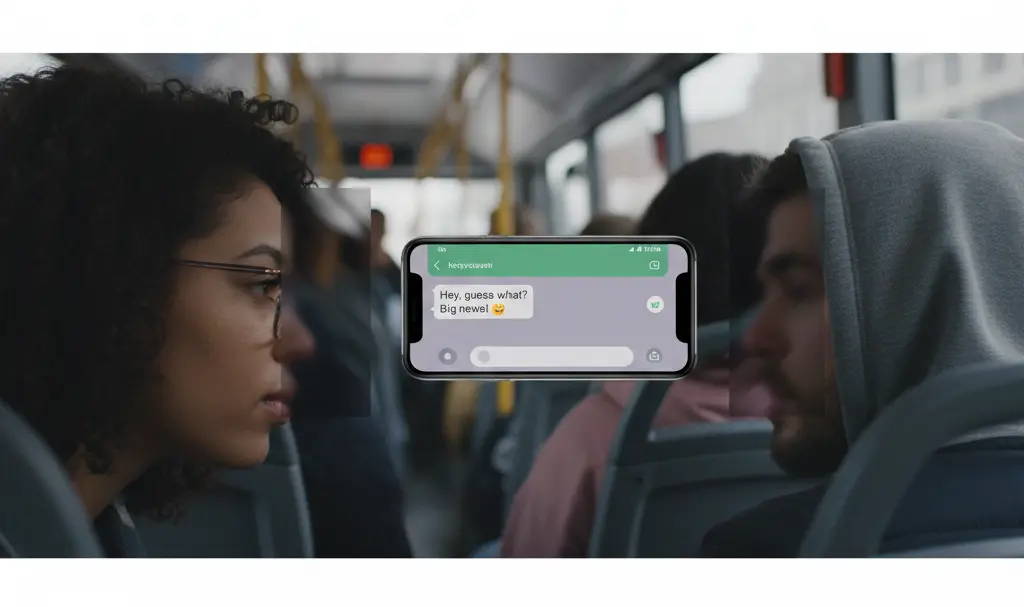
The core concept behind Samsung’s Privacy Display is to enhance user security by restricting viewing angles. This hardware-based solution makes it significantly harder for bystanders to peek at your screen, even in crowded environments like a bustling train or public waiting area. Imagine reading a confidential email or viewing sensitive documents without worrying about someone over your shoulder – that’s the promise of Privacy Display.
- Hardware-Limited Viewing Angles: The technology physically alters how light is emitted from the screen, ensuring that the display is only clearly visible to someone looking directly at it.
- Enhanced Privacy in Public: Ideal for users concerned about data privacy when commuting, working remotely in public spaces, or simply browsing personal content.
- Expected on Flagship Models: Initially anticipated for high-end devices like the Galaxy S26 Ultra, setting a new standard for smartphone security.
Chinese Brands Following Suit
While Samsung is poised to be an early adopter, it appears their exclusivity on such advanced screen privacy technology might be short-lived. Recent industry leaks and speculation suggest that major Chinese smartphone manufacturers are rapidly developing their own versions of this feature. Prominent brands such as Vivo, OPPO, and Xiaomi are reportedly working on identical proprietary solutions, aiming to integrate built-in screen visibility filters into their flagship “Pro” and “Ultra” series models.
According to current rumors, these privacy-focused screens could make their debut in Chinese smartphones as early as September of this year. This rapid adoption by multiple manufacturers underscores the growing demand for enhanced digital privacy and the industry’s commitment to delivering more secure user experiences across the board.
Beyond Smartphones: Privacy for Laptops and Desktops
While smartphone privacy in public is a critical concern due to their ubiquitous use, similar solutions have long existed for other electronic devices. Owners of laptops (including Windows PCs and MacBooks) and desktop monitors can already utilize physical privacy filters to achieve a comparable level of screen security.
These affordable accessories work on a “micro-louvre” principle, similar to miniature blinds. When applied to a screen, the filter ensures that the display content is only clearly visible to the person looking directly at it from a straight-on perspective. Anyone attempting to view the screen from an angle will see a darkened or distorted image, effectively protecting sensitive information.
The emergence of integrated Privacy Displays in smartphones, pioneered by innovators like Samsung and quickly followed by Chinese tech giants, marks a significant step forward in personal digital security. As our lives become increasingly digital, features that empower users to control who sees their information are becoming indispensable.
Frequently Asked Questions (FAQ)
What is a Privacy Display on a smartphone?
A Privacy Display is a smartphone screen technology that uses hardware to limit viewing angles. This means that the screen’s content is only clearly visible to the person directly in front of it, making it difficult for others to peek at your screen from the sides in public settings.
Which smartphone brands are adopting Privacy Display technology?
Samsung is expected to introduce the feature on its upcoming Galaxy S26 Ultra. Additionally, major Chinese manufacturers like Vivo, OPPO, and Xiaomi are reportedly working on similar proprietary solutions for their flagship Pro and Ultra models.
When can we expect to see Privacy Displays on more smartphones?
While Samsung’s official launch is anticipated at a future Galaxy Unpacked event, rumors suggest that Chinese brands might integrate these screen privacy features into their flagship devices as early as September of this year.
Can I get similar privacy protection for my laptop or desktop?
Yes, physical privacy filters are widely available for laptops (Windows and MacBooks) and desktop monitors. These inexpensive accessories use a micro-louvre technology to restrict viewing angles, similar to the built-in smartphone displays.
About Post Author