
Contents
The World’s Strangest Commission? Trump Could Earn a Fortune on TikTok
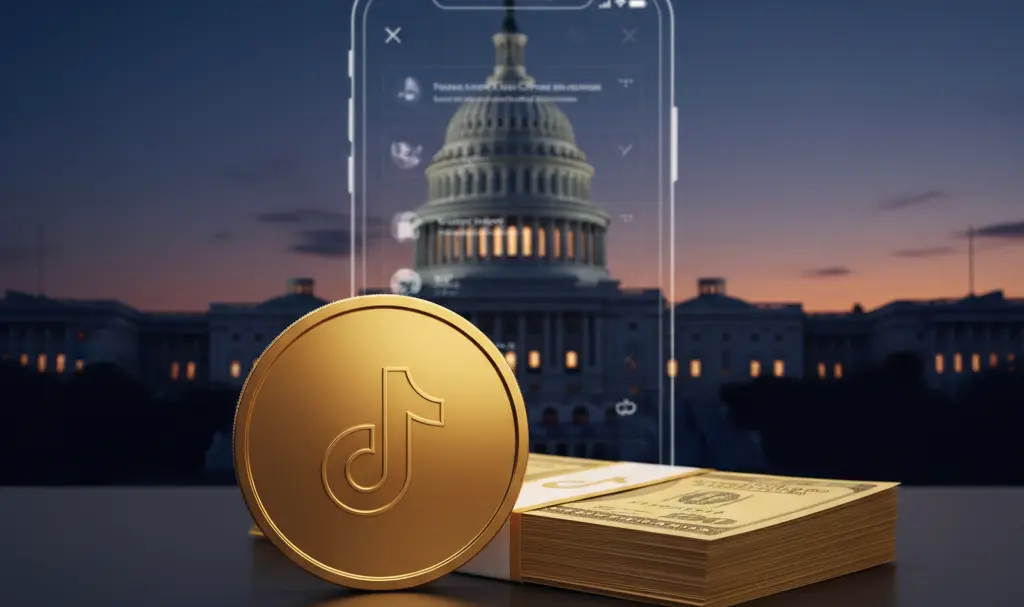
During the intense negotiations surrounding the potential sale of TikTok’s U.S. operations, a highly controversial proposal emerged: the Trump administration reportedly sought a payment of up to $10 billion. This unprecedented demand for a government-brokered fee in a private transaction sparked widespread debate, raising questions about the role of the state in business and the true motives behind the deal.
An Unprecedented Fee for the TikTok U.S. Deal
In 2020, facing national security concerns, the U.S. government under President Donald Trump pressured Chinese technology giant ByteDance to divest TikTok’s U.S. assets. As a resolution, a peculiar condition was introduced: a demand for a significant financial contribution to the U.S. Treasury, or what President Trump described as a “finder’s fee” or a payment into an American education fund.
Reports at the time indicated that the proposed fee could reach as high as $10 billion. This sum was to come from the investors acquiring stakes in TikTok’s U.S. business, which included entities like Oracle, and reportedly involved discussions with firms such as Silver Lake and Walmart. Initial commitments were said to include an upfront payment of $2.5 billion, intended to eventually increase to the full $10 billion.
The concept of a government directly taking a percentage from a private corporate acquisition was, and remains, highly unusual. In typical investment banking agreements, commissions usually hover around 1% of the transaction value. The scale of the proposed $10 billion payment, especially given potential valuations of TikTok’s U.S. operations around $14 billion, suggested an intervention far exceeding traditional norms—potentially representing close to 70% of the deal’s value.
Political Motivations and Economic Controversy
Donald Trump stated that the new ownership structure, facilitated by this fee, would ensure “full American control” over TikTok’s operations in the United States, thereby addressing data security and national security concerns. The political rhetoric emphasized safeguarding user data from potential access by the Chinese government, framing the deal as a matter of national interest.
However, the sheer size and nature of the proposed fee ignited considerable controversy. Critics questioned the legality and ethics of the U.S. government demanding such a substantial payment for facilitating a private business transaction. The situation was seen by many as a powerful example of unprecedented state interference in the free market, potentially setting a problematic global precedent for government engagement in corporate deals.
The Outcome: A Fee That Never Materialized
Despite the intense negotiations and public declarations, the $10 billion payment to the U.S. Treasury ultimately did not materialize. The proposed deal, which would have seen Oracle and Walmart take significant stakes in a new entity called TikTok Global, faced numerous legal challenges and regulatory hurdles. Executive orders issued by the Trump administration to ban TikTok were blocked by federal courts.
Following the change in U.S. presidential administrations in early 2021, President Joe Biden rescinded the Trump-era executive orders against TikTok and other Chinese apps. While concerns about data security and foreign ownership persist, the direct demand for a multi-billion dollar fee from the U.S. government was abandoned, and no such payment was made.
The Broader Implications of Government Intervention
The TikTok saga, and specifically the proposed $10 billion fee, highlighted the complexities and growing tensions surrounding technology, national security, and global commerce. It underscored how governments are increasingly willing to use their regulatory and executive powers to influence the operations of global technology companies, particularly those with ties to geopolitical rivals.
While the controversial fee never came to fruition, the episode remains a significant case study in government intervention in private enterprise, data privacy debates, and the economic strategies employed in an era of heightened geopolitical competition.
Frequently Asked Questions (FAQ)
What was the proposed $10 billion fee related to TikTok?
The proposed $10 billion fee was a demand by the Trump administration during 2020 negotiations for the sale of TikTok’s U.S. operations. It was described as a “finder’s fee” or a contribution to an American education fund, to be paid by investors acquiring stakes in TikTok’s U.S. business.
Did the Trump administration actually receive the $10 billion fee from the TikTok deal?
No, the $10 billion fee ultimately did not materialize. Despite initial reports and strong rhetoric from the Trump administration, the payment was never made to the U.S. Treasury, and the proposed deal structure that included this fee stalled and was later abandoned.
Why did the U.S. government demand a fee for the TikTok transaction?
The U.S. government cited national security concerns, specifically regarding potential access to American user data by the Chinese government through ByteDance, TikTok’s parent company. The fee was presented as compensation for facilitating a deal that would ensure “full American control” over the app’s U.S. operations.
Who were the key companies involved in the proposed TikTok U.S. deal?
The primary companies discussed as potential U.S. partners for TikTok’s operations were Oracle and Walmart. ByteDance was the seller, and other investment firms like Silver Lake were also mentioned in early reports.
What happened to the TikTok U.S. operations after the Trump administration’s demands?
The executive orders banning TikTok were blocked by federal courts. The Biden administration later rescinded those orders, initiating a new review of the national security risks posed by foreign-owned apps. TikTok continues to operate in the U.S. today, though discussions and concerns about its ownership and data security remain ongoing.
Source: CNBC, Gemini
Opening photo: Gemini
About Post Author
