
Contents
Vinted Cracks Down on Commercial Selling: What Private Sellers Need to Know
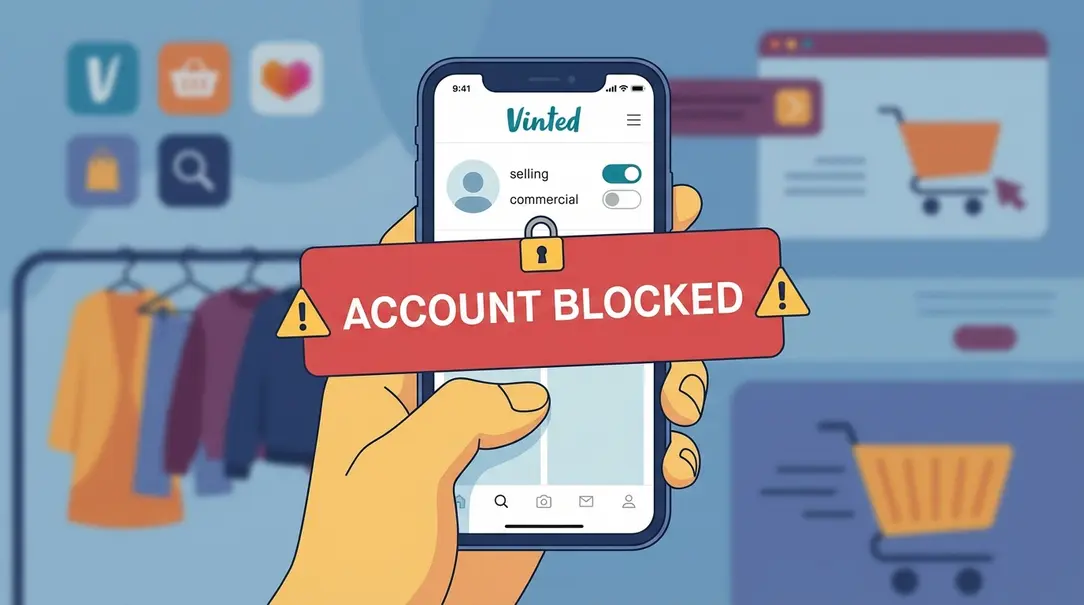
Vinted, the popular online marketplace for second-hand fashion, is experiencing a surge in user complaints regarding account blocks and listing removals. The platform clarifies that the issue isn’t selling itself, but rather the scale and nature of the sales. Many users are inadvertently crossing the line from casual clear-outs to what Vinted identifies as commercial activity.
When Does Your Selling on Vinted Stop Being Private?
For years, Vinted has attracted individuals looking to sell unwanted clothes or buy second-hand items at a lower price. Fundamentally, it’s designed as a peer-to-peer platform for private users, not a virtual storefront for businesses. However, in practice, the distinction between these two worlds can often become blurred.
As reported by Gazeta Wyborcza, Vinted is increasingly blocking accounts that its systems identify as engaging in commercial selling. This isn’t solely determined by the number of listings, but also by their repetitiveness, similarity of assortment, or regular replenishment of stock. Such behaviors can strongly suggest that a user is operating more like a retail store.
Key Indicators Vinted Uses to Identify Commercial Activity
Vinted explicitly states that its platform is not intended for conducting business operations without proper declarations and consents. Selling new items in large quantities or reselling goods purchased with the intent to profit can be considered a violation of its terms and conditions. Here are some red flags that might lead to account restrictions:
- High Volume and Repetitiveness: Consistently listing many items, especially if they are new, identical, or very similar (e.g., multiple sizes/colors of the same product).
- Regular Stock Replenishment: Frequently adding new inventory that appears to be part of a continuous supply, rather than personal items being cleared out.
- Professional Presentation: Using catalog photos, stock images, or overly polished product shots instead of genuine photos of the actual item you own.
- Offering Business Documents: Providing receipts, invoices, or other professional sales documentation.
- Directing Sales Off-Platform: Attempting to steer buyers to external online stores, websites, or social media pages to complete transactions.
- Selling for Profit: Purchasing items specifically with the intention of reselling them on Vinted for a profit, rather than selling personal pre-owned items.
Why Accounts Are Being Blocked and What You Can Do
Reports, including those cited by Gazeta Wyborcza, indicate that many users learn about their account blocks suddenly, without prior warning. Vinted explains that these decisions are based on comprehensive analysis of account activity, with a portion of the process being automated.
If you believe your account has been unfairly blocked, Vinted does allow users to submit an appeal. Simultaneously, the company encourages users to thoroughly familiarize themselves with the terms and conditions before listing a significant number of items. Failure to do so means even an innocent wardrobe clear-out could be misinterpreted as commercial activity.
Tips for Private Sellers to Avoid Issues:
- Sell Personal Items Only: Focus on selling clothes, accessories, and home goods you no longer need.
- Use Original Photos: Always take clear, personal photos of the actual item you are selling.
- Be Transparent: Accurately describe the condition of your items.
- Understand the Rules: Read Vinted’s official Terms and Conditions to understand what is and isn’t allowed.
- Avoid Business-Like Practices: Do not offer receipts, use professional branding, or attempt to facilitate sales outside the Vinted platform.
Frequently Asked Questions (FAQ)
What is Vinted’s policy on selling?
Vinted is primarily a peer-to-peer platform for private individuals to buy and sell second-hand personal items. It is not intended for commercial businesses or professional sellers.
How does Vinted detect commercial sellers?
Vinted uses automated systems and human review to analyze account activity. They look for patterns such as a high volume of new or identical items, regular stock replenishment, use of catalog photos, and attempts to direct sales off-platform.
Can I sell new items on Vinted?
While you can sell items that are new with tags (NWT) if they are personal items you no longer want, selling large quantities of new items or items purchased specifically for resale can be flagged as commercial activity.
What should I do if my Vinted account is blocked?
If you believe your account was blocked unfairly, you can submit an appeal through Vinted’s support system. Be prepared to provide evidence that your activity aligns with their private seller guidelines.
How can I avoid my Vinted account being blocked?
To avoid issues, ensure you only sell personal, second-hand items, use your own photos, avoid business-like selling patterns (like frequent stock replenishment or selling items in bulk), and always adhere to Vinted’s official Terms and Conditions.
About Post Author
