

Contents

Uber’s Radical Shift: A $10 Billion Investment in Autonomous Robotaxi Fleets
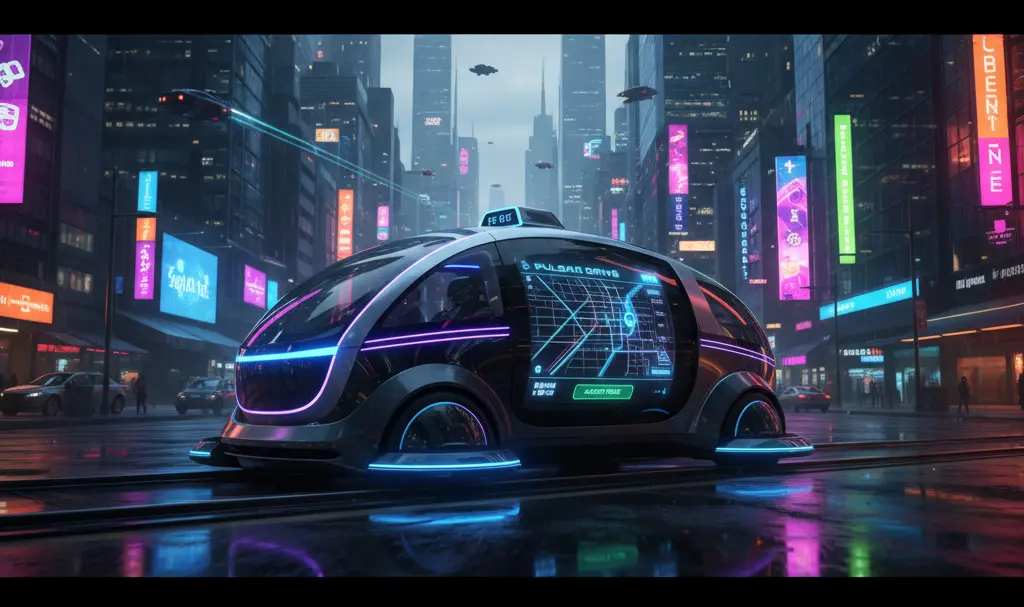
Uber is executing its most dramatic strategic pivot since its inception. Steering away from its traditionally asset-light platform model, the ride-hailing giant is now preparing to pour billions into the physical infrastructure required for autonomous urban transport.

Investing Billions in a Physical Robotaxi Fleet
The automation of ride-hailing services is accelerating at an unprecedented pace. As we previously reported, commercial robotaxis are already arriving in Europe, signaling a major shift in urban mobility.
According to the Financial Times, Uber plans to allocate over $10 billion toward the development and deployment of autonomous vehicles. This massive financial commitment marks a fundamental departure from the company’s historical approach of simply acting as a digital middleman between human drivers and passengers.
- Fleet Acquisition: Approximately $7.5 billion will be directed immediately toward purchasing thousands of autonomous vehicles and building out tangible, physical robotaxi fleets.
- Infrastructure and Operations: This new strategy plunges Uber into a capital-intensive operational model, requiring the company to manage physical mobility supply chains and fleet infrastructure.
- Strategic Equity: An additional $2.5 billion is earmarked for equity investments in emerging companies that specialize in autonomous driving technologies.
Building the Transport Platform of the Future
Rather than developing proprietary self-driving systems from scratch, the second pillar of Uber’s strategy focuses on building a comprehensive ecosystem of strategic partnerships.
Uber aims to position itself as the ultimate aggregator and dispatcher, connecting everyday users with vast fleets of robotaxis, regardless of the manufacturer. This collaborative approach involves working closely with both software developers specializing in autonomous driving and traditional automotive manufacturers.
This network of partnerships is already taking shape globally, with initiatives like Europe’s first commercial robotaxi service in Zagreb highlighting the rapid integration of third-party autonomous hardware into major ride-hailing platforms.
The 2028 Global Expansion Plan
Uber has set an ambitious target to roll out its robotaxi services across at least 28 major cities globally by the year 2028. However, the company has made it clear that the steady flow of project financing will remain heavily contingent on the technological and regulatory progress made by its autonomous partners.
Frequently Asked Questions (FAQ)
Why is Uber transitioning away from its asset-light business model?
Uber recognizes that the future of ride-hailing relies heavily on autonomous technology. By investing directly in physical fleets and infrastructure, Uber ensures it remains at the center of the mobility ecosystem, rather than risking displacement by manufacturers who might launch their own competing robotaxi apps.
Will Uber build its own self-driving cars?
No. Uber’s strategy is to act as a platform aggregator. Instead of building vehicles or proprietary autonomous software, the company is investing in and partnering with established automakers and self-driving tech developers to deploy their vehicles on the Uber network.
What are the main hurdles for Uber’s 2028 expansion plan?
The primary challenges include navigating complex and varied local regulatory environments, ensuring public trust and safety in autonomous technology, and relying on third-party partners to scale vehicle production and software capabilities on schedule.
Source: Financial Times. Opening photo: Gemini.
About Post Author
