Contents
Next-Generation Privacy: Samsung’s Display Technology Sparks Industry Race
In an increasingly digital and public world, safeguarding personal information displayed on our screens has become a paramount concern. Samsung is reportedly at the forefront of a significant innovation with its upcoming “Privacy Display” technology. This groundbreaking feature aims to prevent unwanted onlookers from peeking at your screen content, marking a pivotal step towards enhanced digital privacy.
However, Samsung may not hold this exclusive advantage for long. Reports suggest that major Chinese smartphone manufacturers, including vivo, OPPO, and Xiaomi, are rapidly developing their own proprietary solutions, signaling an industry-wide push for advanced screen privacy.
What is Privacy Display Technology?
Privacy Display is an innovative solution designed to protect your sensitive information from prying eyes. Unlike software-based privacy features, this technology is integrated directly into the display hardware. It works by:
- Limiting Viewing Angles: The display is engineered to restrict the angles from which the screen content can be clearly seen.
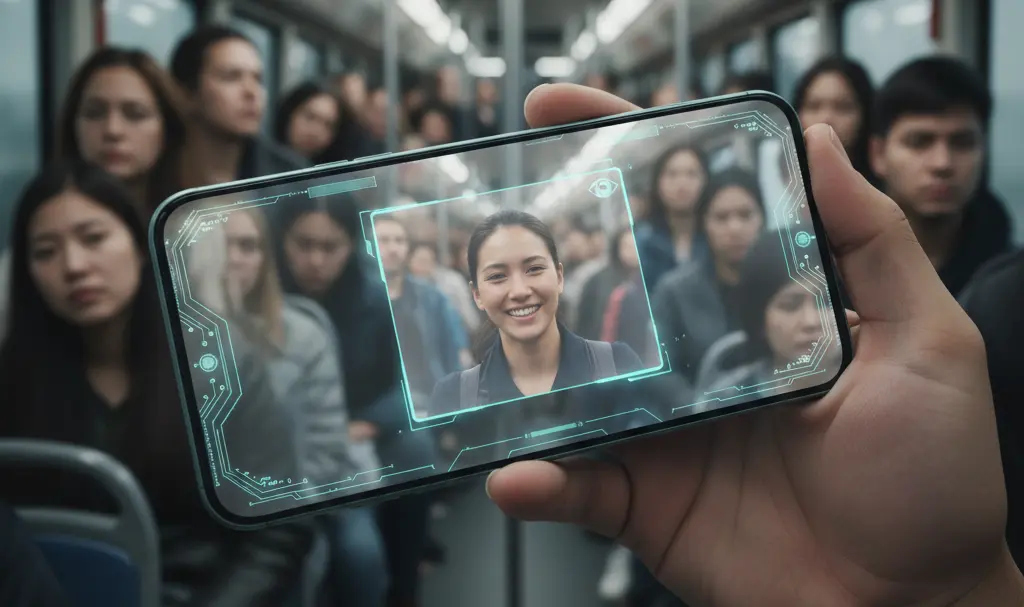
- Enhanced Privacy: When viewed from the sides, the screen appears significantly darker or obscured, making it extremely difficult for bystanders—such as those on a crowded bus or train—to discern what’s on your display.
This hardware-level approach offers a more robust and reliable form of privacy compared to simply lowering screen brightness or using software overlays, which can often be bypassed or are less effective in bright environments.
Samsung Leading the Way, Competitors Close Behind
While the original report cited Samsung’s Galaxy Unpacked 2026 event for the unveiling of a device like the Samsung Galaxy S26 Ultra featuring Privacy Display, the broader context points to Samsung setting a significant trend. The anticipation around Samsung’s implementation has undoubtedly spurred other industry giants to accelerate their own research and development.
Indeed, recent leaks indicate that leading Chinese smartphone manufacturers are actively working on identical proprietary privacy display solutions. Brands like vivo, OPPO, and Xiaomi are reportedly keen to integrate similar screen visibility filters into their upcoming flagship models. Speculation suggests these advanced features could arrive in Chinese smartphones as early as September of this year, primarily targeting their high-end Pro and Ultra series devices.
This rapid development highlights a growing recognition within the mobile industry of the critical demand for personal privacy features, especially as smartphones become increasingly central to our daily lives and handle more sensitive data.
Beyond Smartphones: Privacy Screens for Laptops and Desktops
While smartphone privacy in public spaces is a significant concern due to their ubiquity, the concept of limiting screen visibility is not entirely new. Owners of other electronic devices have long utilized similar solutions:
- Laptops and Desktops: Users of Windows laptops, MacBooks, and desktop monitors can employ physical privacy filters.
- “Micro-Louver” Technology: These affordable accessories often use a technology akin to “micro-blinds.” When applied to a screen, they ensure that the display content is only clearly visible to the person looking directly at it. From any significant angle, the screen appears dark or distorted.
The transition of this concept from external accessories to integrated hardware within smartphones represents a natural evolution, offering seamless and always-on privacy protection without the need for additional attachments.

The Future of Digital Privacy
The emergence of integrated Privacy Display technology underscores a broader industry shift towards empowering users with greater control over their digital privacy. As our devices become more sophisticated and our lives more interconnected, innovations like these will play a crucial role in maintaining personal security and comfort in public and shared environments. This trend is expected to continue, with more manufacturers investing in hardware-based privacy solutions to meet consumer demand.
Frequently Asked Questions (FAQ)
What is Privacy Display technology?
Privacy Display is a hardware-based feature integrated into a smartphone screen that limits the viewing angles. This makes the screen content visible only to the person looking directly at it, obscuring it from those viewing from the sides, thereby enhancing privacy in public settings.
Which smartphone brands are developing Privacy Display features?
Samsung is expected to introduce this technology, potentially with future flagship models. Additionally, leading Chinese manufacturers such as vivo, OPPO, and Xiaomi are reportedly working on similar proprietary solutions for their high-end smartphones, with some potentially launching as early as September.
Can I use privacy screens on devices other than smartphones?
Yes, privacy screens are already available and widely used for other devices. Physical privacy filters, often employing “micro-louver” technology, can be applied to laptops (Windows and MacBooks) and desktop monitors to restrict viewing angles and protect on-screen information.
About Post Author