
Contents
Samsung’s One UI 9.5 Introduces “Safe Shipping” Mode for Enhanced Device Care
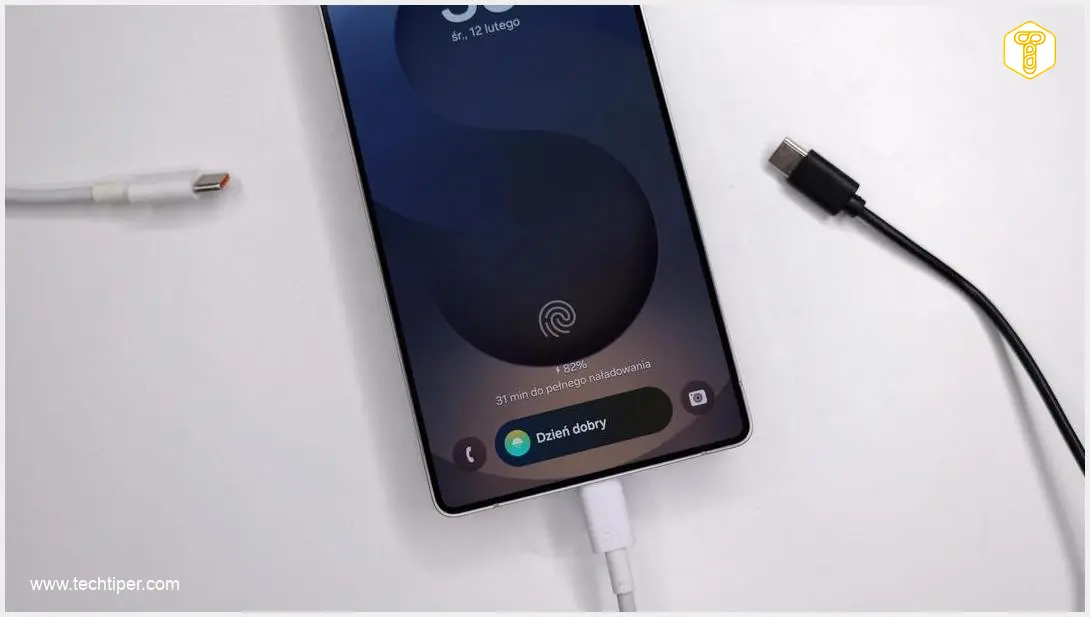
Samsung is set to enhance its device care capabilities with a new “Safe Shipping” mode, discovered in the beta code for One UI 9.5. This innovative feature, integrated into the Device Care application, aims to automatically discharge a smartphone’s battery to a safe level before it is shipped for repairs or servicing. This proactive measure is crucial for complying with stringent international transport regulations concerning lithium-ion batteries.
Understanding Samsung’s Safe Shipping Mode in One UI 9.5
The “Safe Shipping” function was first identified by AndroidAuthority during an analysis of the Device Care app (version 13.9.00.12) within the One UI 9.5 Beta 1. This new mode is designed to optimize battery levels specifically for transit, addressing safety concerns and regulatory requirements.
How the Safe Shipping Mode Operates
When activated, the system intelligently manages the battery discharge process:
- Target Charge Level: The device will aim to reduce its battery charge to a maximum of 89%. Simultaneously, it will ensure the voltage is equal to or lower than 4320 mV.
- Intelligent Skipping: If the battery’s current parameters (charge and voltage) are already below these thresholds, the discharge process will be skipped to avoid unnecessary power consumption.
- Controlled Discharge: To efficiently reduce the battery level, the software will actively engage the processor, keeping it under load even when the screen is off. Users will receive a notification warning about potential device heating during this process, which is a normal consequence of the CPU being heavily utilized.
- Continuous Monitoring: The discharge process has no set time limit, and its progress will be conveniently displayed on the notification bar, keeping the user informed.
Enhanced Battery Protection and Control
The “Safe Shipping” mode also incorporates a temporary safeguard for battery health:
- Battery Protection Lock: While active, the mode will automatically set the battery protection limit to 80%. This prevents the user from accidentally charging the device above this level, which is often recommended for long-term battery health and necessary for shipping.
- User Override Prevention: During this period, users will not be able to alter the battery protection settings via the device’s main settings, quick settings panel, or through custom routines.
- Automatic Restoration: Once the “Safe Shipping” mode is deactivated, the system will automatically revert to the user’s previous battery protection settings, ensuring a seamless return to normal usage.
The Strategic Timing: Preparing for the Galaxy S27 Series
Samsung’s introduction of this feature in One UI 9.5 could be strategically timed with the anticipated launch of the upcoming Galaxy S27 series. Industry rumors and certification details suggest that the next generation of Galaxy smartphones will feature larger capacity batteries. This includes potential advancements in One UI 9 features like multi-window and cross-device AI.
Meeting Lithium-Ion Battery Shipping Regulations
The primary driver behind this feature is compliance with international shipping regulations for lithium-ion batteries. These regulations often specify limits based on Watt-hours (Wh) rather than milliampere-hours (mAh). For individual battery cells, exceeding a 20 Wh threshold typically triggers additional and more stringent shipping requirements. Current models, such as those in the Galaxy S26 series, generally remain below this critical limit.
However, leaks indicate that the highly anticipated Galaxy S27 Ultra could be equipped with a substantial 5700 mAh typical capacity battery. This capacity translates to approximately 21.37 Wh of nominal energy, which slightly surpasses the 20 Wh limit. By incorporating the “Safe Shipping” mode, Samsung can ensure that even with larger batteries, devices like the Galaxy S27 Ultra can be safely and compliantly shipped for service. Discharging a 5700 mAh battery to 89% effectively reduces its energy to around 19 Wh, bringing it comfortably below the 20 Wh regulatory threshold.
Frequently Asked Questions (FAQ)
Samsung is implementing the Safe Shipping mode primarily to comply with international shipping regulations for lithium-ion batteries. These regulations often require batteries to be at a specific charge level (typically below 20 Watt-hours) for safe transport, especially when devices are sent for repair or servicing.
The mode aims to discharge the battery to a maximum of 89% charge and a voltage of 4320 mV or less. It achieves this by actively engaging the smartphone’s processor, even with the screen off, to create a controlled load that reduces the battery level. If the battery is already below these thresholds, the discharge process is skipped.

No, the Safe Shipping mode is designed for temporary use during transit. While the phone might experience some heating during the discharge process (due to CPU activity), it will not have any long-term negative impact on your phone’s performance or battery health. Once the mode is deactivated, your previous battery protection settings are automatically restored.
Source: AndroidAuthority, Original work. Opening photo: Krzysztof Wilamowski / Android.com.pl
About Post Author