

Contents

Google Enhances Wear OS Earthquake Alerts for Standalone Smartwatches
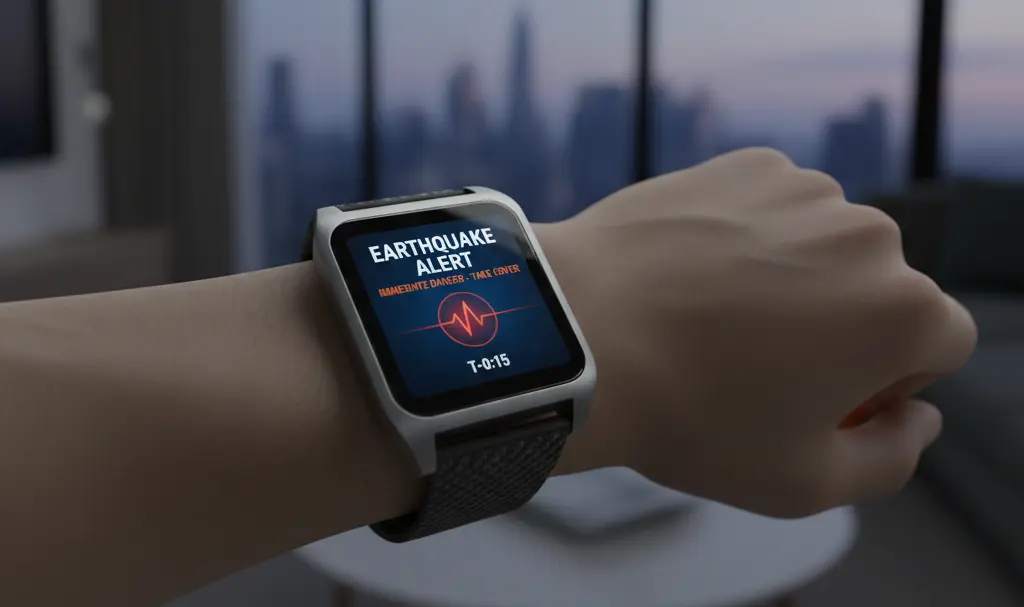
Google is rolling out a pivotal update to its existing Earthquake Alerts system, significantly improving its functionality for Wear OS devices. This enhancement means that smartwatch users will soon be able to receive vital earthquake warnings directly on their wrists, even if their device is not connected to a smartphone or is physically separated from it. This marks a crucial step forward in making emergency notifications more accessible and reliable for Wear OS users.

Independent Earthquake Alerts Arrive for Wear OS
The Earthquake Alerts feature is a cornerstone of Android’s safety ecosystem, designed to provide users with crucial seconds of warning before seismic tremors begin. This precious window allows individuals to seek safety and minimize potential harm. Previously, while available on Wear OS watches since July 2025, these alerts were exclusively dependent on an active connection to a paired smartphone.
Google is now transforming this mechanism. With the rollout of Google Play Services version 26.07, Wear OS smartwatches are equipped to receive these critical alerts even when operating independently. This means your smartwatch can become a self-sufficient safety device, delivering warnings without needing to be tethered to your phone.
Understanding the Requirements
While this update promises enhanced autonomy, there are some likely requirements and considerations:
- Cellular Connectivity: Although Google has not yet provided a comprehensive list of requirements, it is highly probable that this standalone functionality will primarily work on Wear OS models equipped with cellular connectivity. These devices can maintain an internet connection independently, which is crucial for receiving real-time alerts.
- Bluetooth-Only Devices: Smartwatches that rely solely on Bluetooth for connectivity may still require an active connection to a smartphone to receive these alerts, as they cannot access network data on their own.
- Activation: It remains unclear whether users will need to manually enable this new option or if the feature will activate automatically upon the installation of the Google Play Services update. Given Google’s emphasis on safety, automatic activation is a strong possibility.
How Google’s Earthquake Alert System Works
Google’s innovative earthquake warning system leverages the vast network of Android smartphones worldwide. It utilizes the built-in accelerometers within these devices, which can detect the subtle P-wave (primary wave) of an earthquake—a non-damaging wave that travels faster than the more destructive S-wave (secondary wave). Here’s a breakdown of its operation:
- Detection: When multiple Android smartphones in a specific region detect seismic activity, the anonymized data is sent securely to Google’s servers.
- Analysis: Google’s algorithms analyze this data to estimate the earthquake’s strength (magnitude) and its epicenter.
- Alert Distribution: Based on this analysis, alerts are rapidly dispatched to users within the potentially affected area, giving them a few crucial seconds of warning.
Two Levels of Critical Warnings
Depending on the assessed threat level, the system can issue two distinct types of notifications:
- “Be Aware Alert”: Issued for lighter tremors, this alert provides general awareness, allowing users to assess their surroundings and take minor precautions.
- “Take Action Alert”: Activated for more significant threats, this alert is designed to cut through distractions. It overrides mute settings, triggers a loud alarm, displays a prominent red warning screen, and provides immediate safety instructions (e.g., “Drop, Cover, and Hold On”). This robust warning mechanism is expected to function similarly on Wear OS devices.
Rollout Information
The new version of Google Play Services (v26.07), which enables this enhanced functionality, was made available on February 23, 2026. As is typical with Google service updates, the rollout process is phased, meaning it may take several days or even weeks for the update to reach all eligible Wear OS devices globally.
Frequently Asked Questions (FAQ)
What is the new update for Wear OS earthquake alerts?
The latest update allows Wear OS smartwatches to receive earthquake alerts independently, meaning they no longer need to be connected or in proximity to a smartphone to get these critical warnings.
Will my Wear OS smartwatch receive alerts without a phone?
This feature is expected to primarily work on Wear OS smartwatches equipped with cellular connectivity. Devices that only use Bluetooth may still require a connection to a smartphone to receive alerts.
How does Google’s earthquake detection system work?
Google’s system uses accelerometers in Android smartphones to detect seismic activity. When multiple devices detect tremors, the anonymous data is sent to Google’s servers, which then analyze the information to estimate the earthquake’s details and send targeted alerts to users in affected areas.
Source: Android Police. Opening photo: Generated by Gemini
About Post Author
