
Contents
Samsung Galaxy Fit4 Nearing Launch: New Features, Design, and Key Limitations
Samsung is gearing up to release the Galaxy Fit4, the latest generation of its popular and affordable fitness tracker. Although Samsung has yet to officially confirm the device, its appearance in various certification bodies worldwide, coupled with insights gleaned from analyzing the Galaxy Fit 4 Manager application, provides a clear picture of what’s to come. This new wearable promises an evolution rather than a revolution, focusing on enhancing health and fitness tracking capabilities within a familiar design.
A Familiar Design for Enhanced Functionality
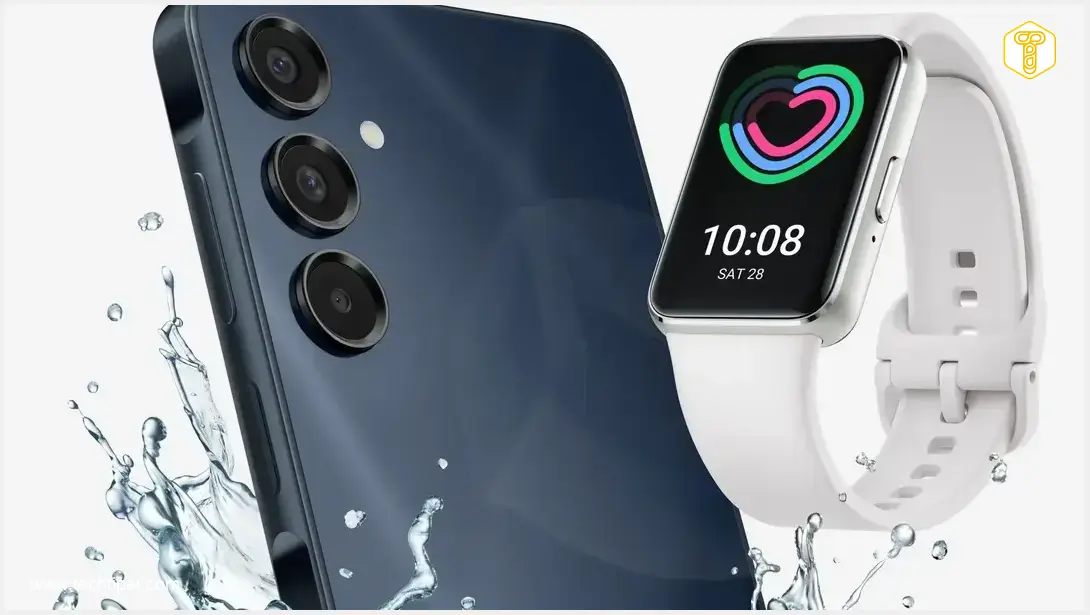
The Galaxy Fit4 is expected to maintain the signature elongated, rectangular screen with rounded corners, a physical button on the right side, and a comfortable silicone strap featuring a classic buckle closure. The rear of the device will house a suite of sensors and charging contacts. Aesthetically, the device is anticipated to be nearly indistinguishable from its predecessor, the Galaxy Fit3.
This design continuity suggests that Samsung’s primary focus is on advancing health and daily activity monitoring features, rather than a radical overhaul of its form factor. The fitness band is rumored to debut in three color options: black, white, and a very light blue.
Early leaks also hint at a display resolution of 258 by 428 pixels. This represents a slightly taller panel compared to the Galaxy Fit3’s 256 by 402 pixels. However, Samsung has yet to confirm the screen diagonal, display technology, or other crucial image parameters. Certification documents have, however, confirmed support for Bluetooth 5.4, including Bluetooth Low Energy (BLE) and Enhanced Data Rate (EDR), ensuring efficient and reliable connectivity with your smartphone.
Advanced Health Monitoring and Sleep Tracking
The most comprehensive details about the Galaxy Fit4’s capabilities come from an in-depth analysis of the Galaxy Fit 4 Manager application’s code. This reveals a strong emphasis on health and wellness, offering users a wide array of tracking options:
- Activity Tracking: Measures steps taken, active time, and calories burned during activities.
- Heart Rate Monitoring: Continuous heart rate tracking with alerts for both excessively high or low pulse rates. This feature is crucial for maintaining cardiovascular health and can provide early warnings for potential issues.
- Stress Level Monitoring: The device is expected to track stress levels, both manually and continuously. It will also alert users after prolonged periods of elevated stress, encouraging mindfulness and stress reduction techniques.
- Blood Oxygen Saturation (SpO2): References to blood oxygen saturation measurement have been found, a valuable metric for assessing overall respiratory health.
- Snoring Detection: This intriguing feature aims to detect snoring, though it will reportedly require the presence of a paired smartphone to function.
For sleep, the Galaxy Fit4 is designed to record individual phases of nightly rest, calculate an overall sleep score, and, after seven nights of accumulated data, offer personalized tips and insights to improve sleep quality. Such detailed sleep analysis can be incredibly beneficial for understanding and optimizing one’s rest patterns.
Streamlined Activities, Customizable Tiles, and Samsung Health Integration
The Galaxy Fit4 is set to automatically recognize selected activities, making it easier for users to track their workouts without manual input. It will support customizable training tiles, allowing users to quickly access their most used functions. All collected data will seamlessly synchronize with Samsung Health, Samsung’s comprehensive health platform. Users will also be able to utilize features related to cycle tracking, hydration, diet management, breathing exercises, and overall health summaries, providing a holistic view of their well-being.
The wearable’s interface is expected to support up to 12 customizable tiles. This allows for quick access to various functions such as alarms, weather forecasts, calendar events, activity data, and health features. Samsung has also prepared two notification modes: an intelligent device selection that directs alerts to the most appropriate device, and a simultaneous display of alerts on both the phone and the fitness tracker, ensuring you never miss an important notification. For users with multiple Samsung devices, ensuring seamless integration and consistent updates is key. For example, keeping your Samsung Galaxy Watch4 updated with the latest security patches is crucial for optimal performance and data security. You can find guidance on this by checking resources like this important security update installation guide for the Galaxy Watch4. Similarly, ensuring your Samsung Galaxy Watch6 Classic receives its February security update for 2024, as detailed in articles like this security update overview for the Samsung Galaxy Watch6 Classic, is vital for maintaining device health and security.
Find My Phone Functionality, But A Key Omission: No Built-in GPS
A particularly useful feature likely to be included is “Find My Phone.” This will allow users to trigger an audible signal on their paired smartphone directly from the fitness tracker, a handy solution for those moments when your phone goes missing nearby.

However, the most significant disappointment for many potential users might be the probable absence of built-in GPS. The analysis of the application code did not reveal any references to a satellite module. Earlier reports further suggest that Samsung will continue to rely on a paired smartphone to record routes during activities like running or cycling. This means that for precise outdoor activity tracking without carrying a phone, users might need to consider other wearables, such as some of Samsung’s Galaxy Watch series.
Conclusion: A Solid Option for Daily Health Tracking
The Galaxy Fit4 appears to be a sensible proposition for individuals seeking a lightweight and affordable fitness tracker for everyday health monitoring. It aims to refine the user experience with enhanced health features rather than introducing groundbreaking changes in the wearables segment. While we still await official information regarding availability and pricing, it is anticipated that, similar to its predecessor, the Galaxy Fit4’s price tag should remain around approximately $100 USD, offering excellent value for its comprehensive feature set.
Frequently Asked Questions (FAQ)
The Galaxy Fit4 focuses on enhancing health and fitness tracking capabilities. Key improvements include advanced heart rate monitoring with alerts, more detailed stress tracking, potential SpO2 measurement, snoring detection (with a smartphone), and more personalized sleep analysis. While the design remains largely similar, the internal functionalities are more robust.
Based on current analyses of the Galaxy Fit 4 Manager app and earlier reports, the Samsung Galaxy Fit4 is unlikely to feature built-in GPS. This means users will still need to carry their paired smartphone to record precise routes during outdoor activities like running or cycling.
The Galaxy Fit4 is expected to launch in three color options: classic black, white, and a very light blue, offering users choices to match their personal style.
Source: SammyGuru, AndroidAuthority. Opening photo: Samsung press materials.
About Post Author
