

Contents

Oura Launches AI Chatbot for Comprehensive Women’s Health Monitoring
The company behind the popular smart rings, Oura, has announced the release of its new AI-powered chatbot. This innovative language model is specifically targeted at women, providing them with a powerful tool to monitor their health and receive helpful, AI-driven guidance.

The integration of artificial intelligence into healthcare seems increasingly inevitable. Finnish company Oura is making its move into this evolving market with the introduction of its proprietary language model, designed to offer a unique approach to personal health management.
Empowering Women’s Health with AI
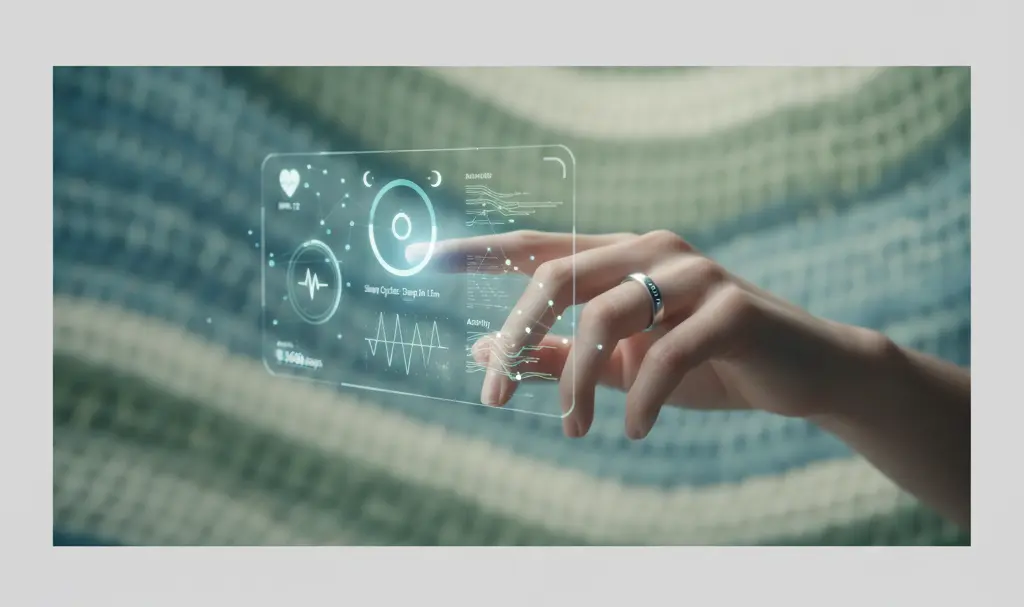
Oura’s new chatbot is tailored for women, allowing them to leverage the data collected by their Oura smart rings. This data includes crucial insights into sleep patterns, menstrual cycles, and even pregnancy. The chatbot then helps users interpret this information and cross-reference it with specific health insights developed by professional medical experts.
Key benefits for users include:
- Personalized Insights: Receive tailored health analyses based on individual data.
- Actionable Guidance: Get concrete recommendations to maintain or improve overall health.
- Integrated Data Analysis: Combine smart ring metrics with expert-verified health information.
Ensuring Data Privacy and Trust
Oura emphasizes its commitment to user privacy and data security. The company assures users that the tool has been meticulously developed to prevent any risk of conversations leaking into the public domain or being used to train other AI models. Oura also clearly states that the chatbot is designed as a supportive tool for health management, rather than a substitute for professional medical services.
The Future Landscape: AI in Medicine
As previously mentioned, the future of medicine and artificial intelligence is almost certainly intertwined. To accelerate this integration, some entities are already releasing tools that aim to, among other things, diagnose ailments.
However, the current performance of many such AI diagnostic tools is far from perfect. It can be confidently stated that, at least for now, AI is not a complete savior for medicine. Recent research conducted by Italian scientists from the Humanitas Clinical Institute and University in Rozzano highlighted significant challenges:
- A study found that up to 70% of clinical cases analyzed by AI were misdiagnosed.
- These misdiagnoses included critical conditions, such as cancer diagnoses, underscoring the serious implications of relying solely on current AI capabilities.
While Oura’s chatbot focuses on supportive health monitoring rather than direct diagnosis, these broader challenges in AI’s medical application serve as an important reminder that human oversight and professional medical consultation remain paramount.
Frequently Asked Questions (FAQ)
What is Oura’s new AI chatbot?
Oura’s new AI chatbot is an artificial intelligence-powered language model designed to help women monitor their health. It integrates with data collected by Oura smart rings to provide personalized insights and guidance.
How does the Oura AI chatbot work?
The chatbot analyzes health data from Oura smart rings (including sleep, menstrual cycle, and pregnancy information). It then helps users interpret this data and cross-references it with medically reviewed insights to offer personalized recommendations for maintaining health.
Is Oura’s AI chatbot a medical device or a substitute for a doctor?
No, Oura explicitly states that the chatbot is a supportive tool for health management and not a typical medical service. It is designed to assist users in understanding their health data, not to diagnose or treat medical conditions. Always consult a healthcare professional for medical advice.
Is my personal health data safe with Oura’s AI chatbot?
Oura assures users that the tool has been developed with robust privacy measures. The company guarantees that conversations will not be leaked into the public domain or used to train other AI models.
What are the general challenges of AI in healthcare?
While AI holds great promise, its application in direct medical diagnosis still faces challenges. Recent studies have shown instances of misdiagnosis, particularly in complex areas like cancer detection. Therefore, human medical expertise and oversight remain crucial alongside AI tools.
Source: Android Authority. Opening photo: Generated by Gemini
About Post Author
