

Contents
Windows 12: An AI-First Future with High Entry Barriers?
Recent leaks and industry whispers suggest that Microsoft’s next operating system, presumably named Windows 12, could launch as early as 2026. However, this isn’t a system users might eagerly install on just any computer. The primary focus for Windows 12 appears to be deep artificial intelligence integration, potentially limiting who can even run the OS.
Why Windows 12 Might Not Be for Everyone
According to reports, the project is currently codenamed “Hudson Valley Next.” Its marketing campaign will likely highlight several core features, most notably the profound integration of Microsoft Copilot, making AI an intrinsic part of the operating system experience. But that’s not the only significant change.
The NPU Requirement: A Potential Game Changer
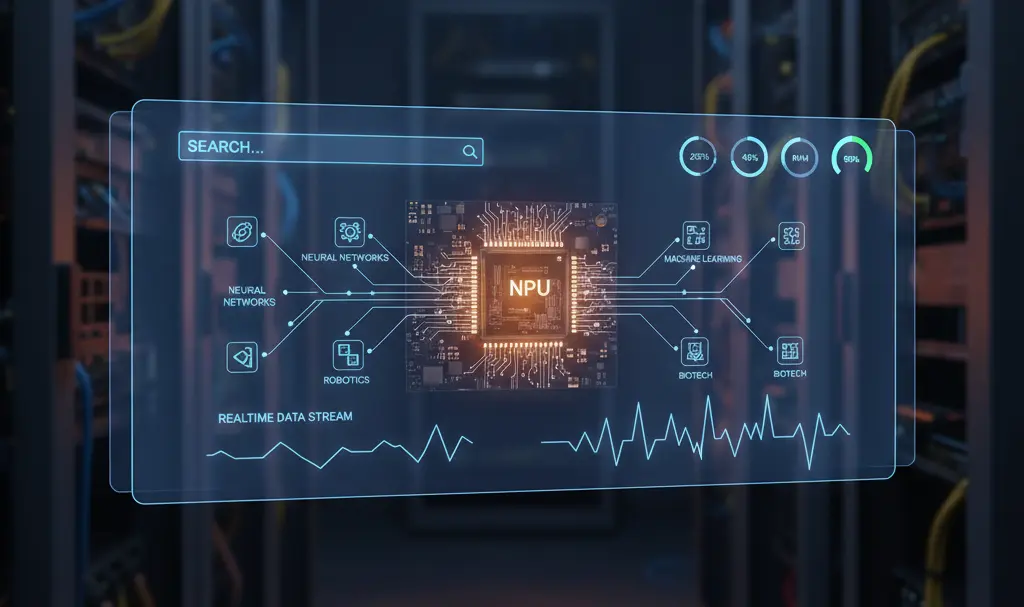
Another rumored characteristic of Windows 12 is its high modularity, allowing users to easily “remove” various components and services from the system. However, the most intriguing—and potentially controversial—detail is that Windows 12 may require a processor equipped with a Neural Processing Unit (NPU).
NPUs are specialized processors designed to accelerate AI and machine learning tasks. While the first Copilot+ class PCs, featuring integrated NPUs, began to appear in 2024, it would be a substantial—and frankly, shocking—move for Microsoft to exclude all PCs without an NPU from Windows 12. This is especially pertinent given the company’s experience with Windows 11, where it faced widespread complaints about the strict TPM 2.0 requirement, which effectively cut off access for many computers from around 2018 and older.
If these rumors prove true, a significant portion of the existing PC user base might find themselves unable to upgrade to Windows 12 without purchasing new hardware. This would represent a major shift in Microsoft’s strategy, prioritizing advanced AI capabilities over broader compatibility.
What We Know About Windows 12’s Appearance and Features
Microsoft seems to be drawing inspiration from Apple for Windows 12’s user interface, aiming for a design featuring transparent, almost “glass-like” elements. The operating system’s central hub is expected to be a search bar positioned at the top-center of the screen, coupled with extensive generative AI capabilities. System indicators, such as battery life and Wi-Fi status, are rumored to be visible in the top-right corner.
A key question remains regarding the controversial Recall feature. Originally introduced with Copilot+ PCs, Recall records and stores nearly everything users do on their computer, allowing them to search through past activities. It’s unclear if this feature, which has raised significant privacy concerns, will be an optional or mandatory element of the new Windows operating system.
Enhanced Security with Zero Trust
Windows 12 is also expected to be more secure, adopting a “Zero Trust” security philosophy. In a Zero Trust model, no user, device, or application is trusted by default, regardless of whether they are inside or outside the network perimeter. Every access attempt must be verified. While this approach significantly enhances security, it raises questions about its application for typical home users. Zero Trust inherently expects breaches and treats every user as a potential intruder, often requiring frequent authorizations. The implications for traditional administrator status within such a model are yet to be fully clarified.
Considering Alternatives: Free and Open-Source Operating Systems
For users who might be deterred by Windows 12’s potential hardware requirements or security paradigm, competent and free alternatives exist today. Distributions like Linux Mint and Ubuntu offer robust, user-friendly experiences that, in many cases, can serve as a direct replacement for Windows 11. These open-source operating systems provide flexibility, privacy, and a strong community support system, making them viable options for those seeking to avoid potential upgrade hurdles.

Frequently Asked Questions (FAQ)
When is Windows 12 expected to be released?
Current leaks suggest Windows 12 could be released as early as 2026.
Will Windows 12 require new hardware, specifically an NPU?
Rumors indicate that Windows 12 may require a processor with a Neural Processing Unit (NPU) for full functionality, potentially limiting compatibility with older PCs.
What are the key new features of Windows 12?
Windows 12 is expected to feature deep integration with Microsoft Copilot (AI), a modular design, a redesigned user interface with transparent elements, a central search bar, and generative AI capabilities.
How will Windows 12’s security features affect users?
Windows 12 is rumored to adopt a “Zero Trust” security philosophy, which enhances protection but may require more frequent user authorizations and verification, potentially impacting the user experience.
Are there alternatives to Windows 12?
Yes, free and competent alternatives like Linux Mint and Ubuntu are available and can serve as viable operating systems for many users.
Source: PC World. Opening photo: Gemini
About Post Author
